A bigger bench press is not just about adding kilograms to a one-repetition maximum. In sport and ordinary training, it also matters how rapidly a lifter can apply force to a bar that initially refuses to move. That quality is often called rate of force development, or RFD. It helps explain why two people with similar maximum strength can look very different when they press a challenging weight.
The useful question is not whether every bench repetition should be fast. It is how to combine heavy strength work, crisp submaximal presses, sound technique and appropriate recovery without turning an explosive session into a rushed or unsafe one. A sensible plan trains the ability to produce force while respecting the reality that a heavy bar will still move slowly.
What bench press power actually measures
Maximum strength and rapid force production are related but not identical. Maximum strength describes the greatest force a lifter can exert in a particular task. Rate of force development describes how quickly force rises after contraction begins. Power adds another ingredient: the rate of doing mechanical work, commonly expressed as force multiplied by velocity. A lifter can produce substantial force against a near-maximal barbell even though its upward speed is low; that does not make the repetition a high-velocity movement.
This distinction matters most at the start of the concentric press. After the bar settles on the chest, the lifter must overcome its inertia, stabilize the shoulders and transmit force through the torso and arms. The ability to establish tension before pressing can change how effectively the first centimeters are executed. RFD is usually measured with force plates or specialized instrumentation; simply timing a complete repetition with a phone is not a direct measurement of early-phase RFD.
In an eight-week comparison involving 63 moderately trained adults, heavy bench training and conventional hypertrophy training improved one-repetition maximum more than a lighter ballistic protocol. Heavy and hypertrophy conditions also improved measured force development at a moderate test load compared with a control condition. These findings argue against the simplistic idea that only throwing a light bar quickly can make a person more explosive. They do not establish that all lifters, loads or sporting tasks respond identically.
For practical training, separate three goals: increasing the ceiling of force you can produce, practicing forceful intent against manageable resistance, and refining the movement skill that lets that force reach the bar. Progress in one area can help the others, but it should not be mistaken for proof that the other qualities have improved equally.
Why heavy strength work still belongs in a fast-bench program
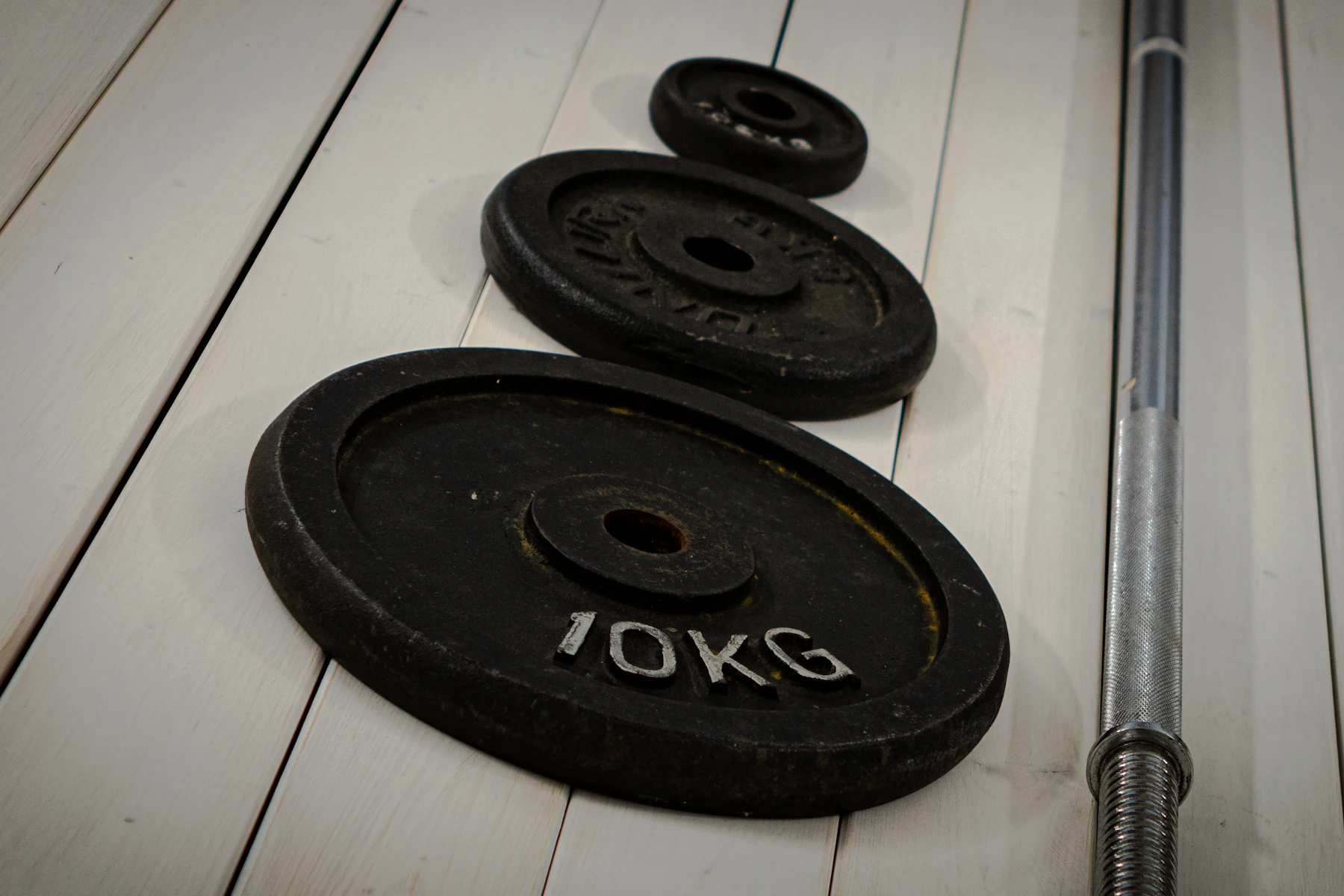
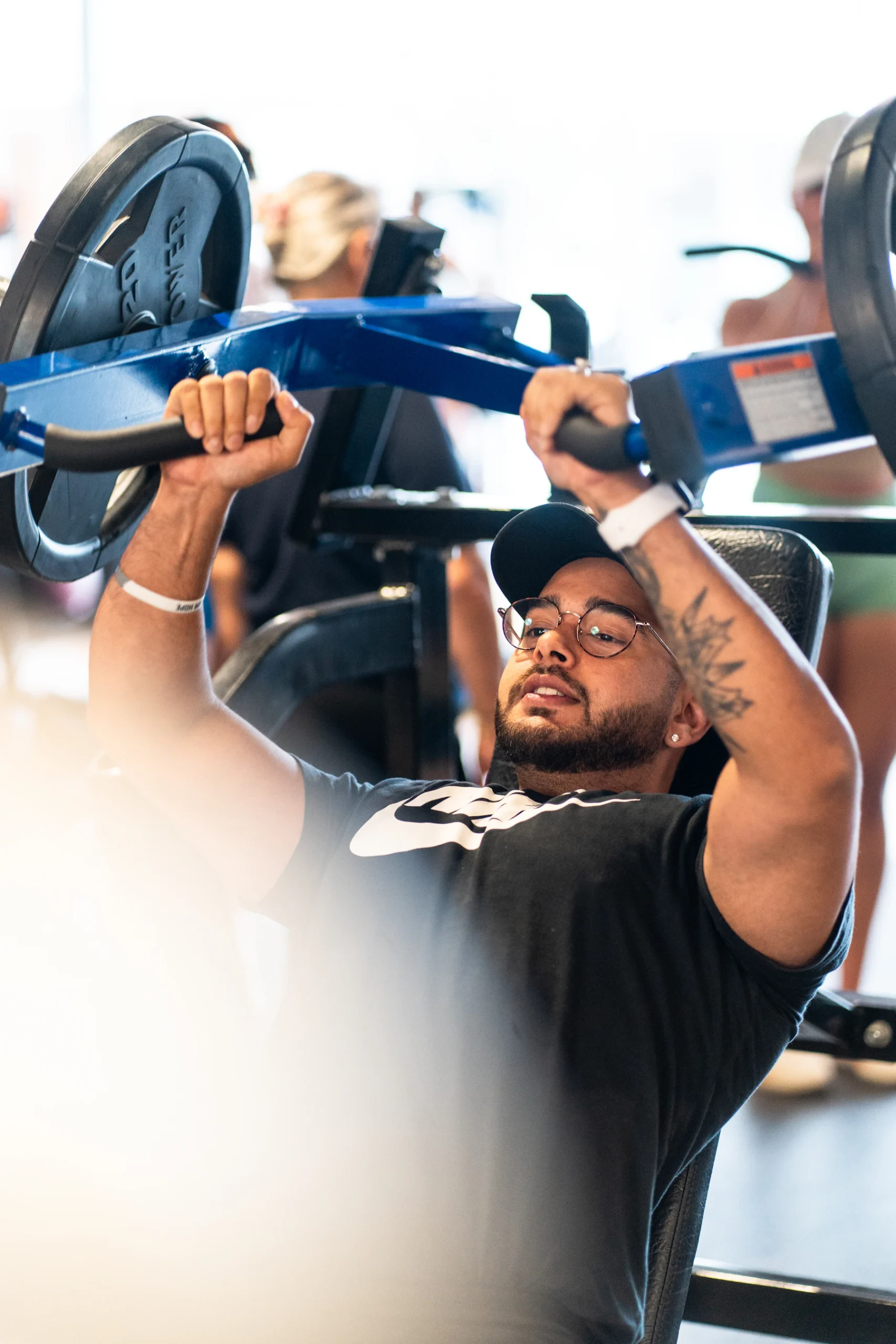
When a barbell becomes heavier, its concentric speed normally falls. The lifter should nevertheless try to press it decisively rather than deliberately moving slowly. This is the difference between intended velocity and observed velocity: maximal effort against a heavy load can produce a slow-looking rep. A controlled descent and a stable pause can coexist with aggressive upward intent.
Heavy sets develop the skill of producing high force in the exact bench press pattern. A sensible strength emphasis might use two to five challenging repetitions with several minutes of recovery, provided the lifter has appropriate technique and a safe setup. These sets are not an invitation to grind to failure every session. Repeated maximal attempts accumulate fatigue and make it harder to perform useful subsequent work.
Lighter presses have a different role. With a moderate load, the lifter can practice accelerating through the concentric phase while keeping the bar path repeatable. The weight should be heavy enough to feel like resistance but light enough that the bar does not turn into a slow grind. There is no universally optimal percentage that fits every person, bar type or exercise variation.
A common error is treating the bench press like a throwing event. Releasing an ordinary loaded barbell without suitable specialized equipment is dangerous. Bench throws used in controlled experiments are not a home-gym prescription. For most people, a fast but fully controlled press with a firm grip, stable body position and safeties is the more useful choice. The bar should be decelerated safely at lockout, not launched.

Equipment Worth Exploring
Explore equipment, accessories and gear from our carefully selected range.

FID Bench MAX
Adjustable bench offering flat, incline, and decline positions + adjustable headrest.


Technique that lets force reach the bar
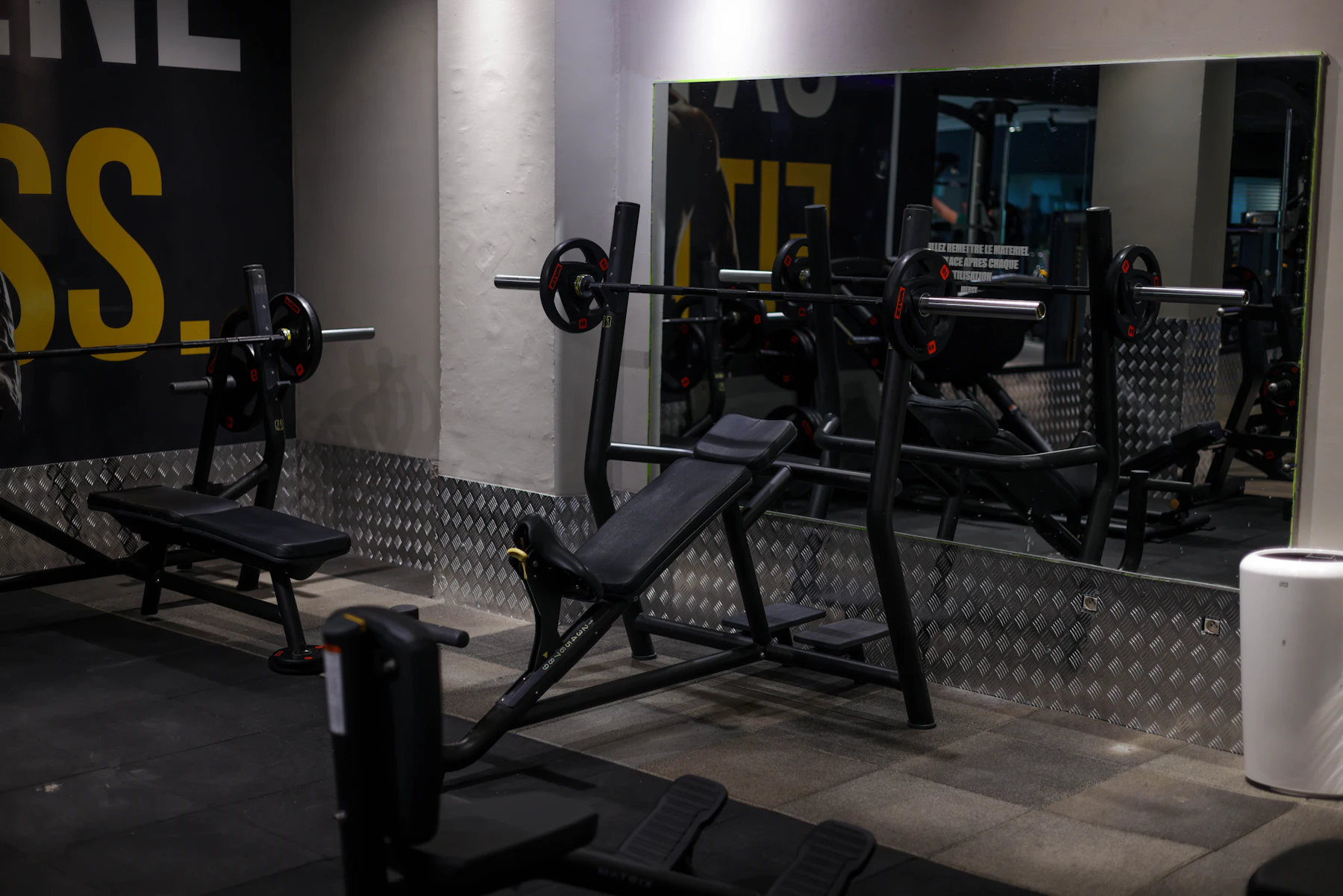
Powerful pressing begins before the first repetition. Position the eyes under the bar, plant the feet where they can remain stable and create a repeatable upper-back position on the bench. Draw the shoulder blades into a secure position against the pad without forcing an uncomfortable arch. Choose a grip that allows the wrists to stack over the forearms near the bottom of the press. A grip chosen only to shorten the travel distance can create an awkward shoulder position.
Unrack with the elbows controlled and the bar over the shoulder line, rather than allowing it to drift toward the face. Lower the bar toward a consistent touch point around the lower chest or sternum, adjusting for anatomy and grip width. At the bottom, the forearms should generally remain well aligned under the load. The press usually travels slightly back toward the shoulders as the bar rises; trying to force a perfectly vertical path can be less efficient for some lifters.
For a paused bench, touch the chest gently, establish stillness and then drive upward. For a touch-and-go repetition, avoid bouncing the bar off the rib cage. A bounce can create an illusion of speed while reducing the demand on the muscles at the most difficult point. It also makes comparisons between sessions unreliable. A pause makes the start position clearer, but the chosen style should reflect the lifter’s goal and competition rules if relevant.
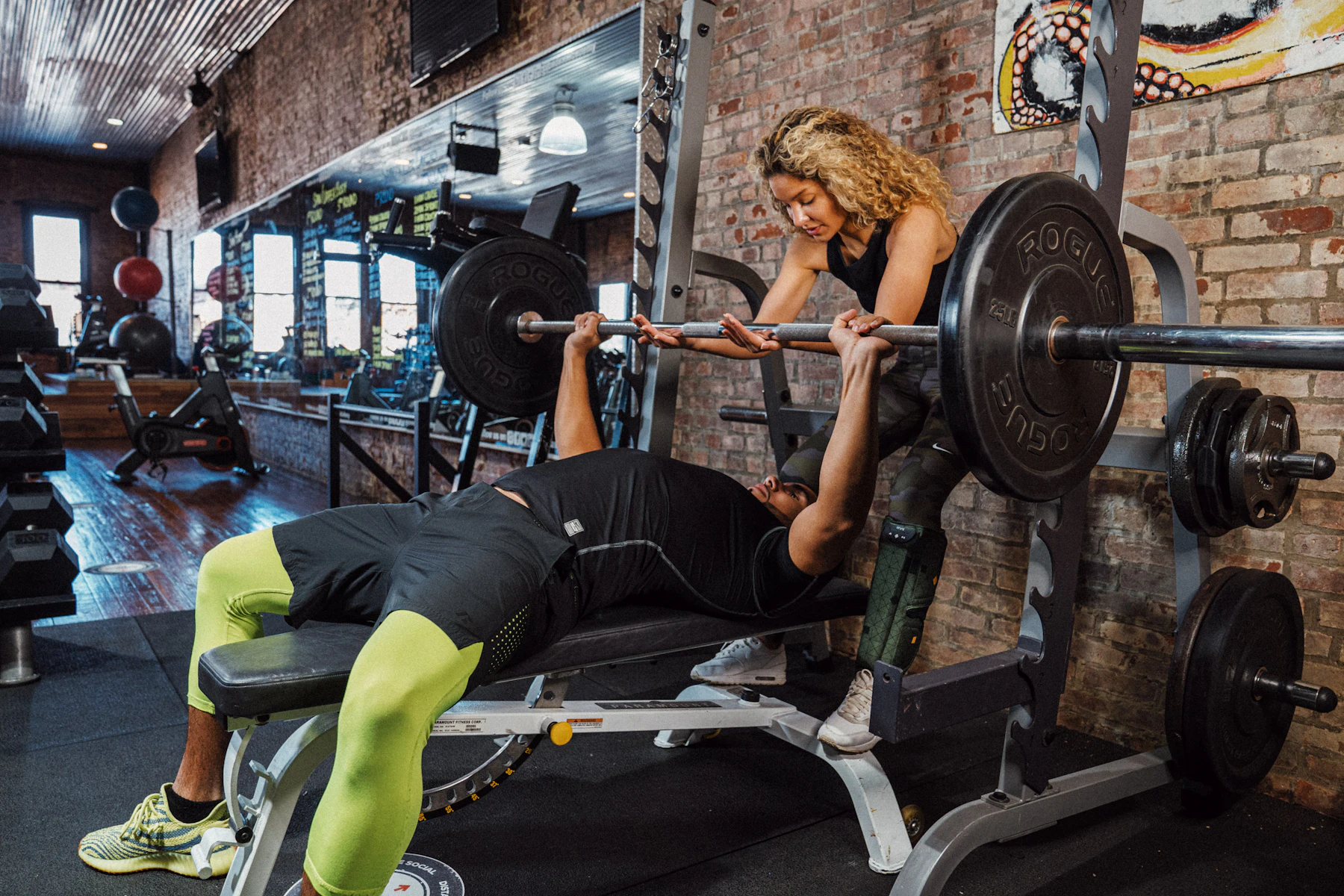
Safety is part of technique. Set rack safeties low enough to permit a complete press but high enough to catch a failed attempt without trapping the lifter. Use a capable spotter when appropriate. Keep the thumbs wrapped around the bar, check collars and do not chase explosive speed when the shoulders or elbows feel unstable. Small improvements in setup consistency can make a program more productive than adding another complicated accessory.

Powerlifting Shirts & Lifting Gear
Powerlifting shirts and gym gear for squat, bench and deadlift lifters who live for heavy numbers.


Bending Bars Meme – Barbell Squat Bench Deadlift, & T-Shirt
Heavy lifts, good laughs, and a little “Bending Bars Gym Meme” energy.

I Want You To Break Your PR Patriotic , Gymbros & T-Shirt
Rep “I Want You To Break Your PR Patriotic” humor in and out of the gym.

Shirt – I Want You To Bench Press Uncle Sam T-Shirt
Heavy lifts, good laughs, and a little “I Want You To Bench Press Uncle Sam” energy.


Bench Press and Chill Funny Gym T
Make gym days more fun with “Bench Press and Chill” style.

Shirt: Good Argument But I Bench More Than You – T-Shirt
Make gym days more fun with “: Good Argument But I Bench More Than You” style.

Squat Bench Deadlift Read Shirt Literary Bookworm Top T-Shirt
Bring “Squat Bench Deadlift Read” humor to your next gym day.

Shirt – Squat Bench Deads Gains T-Shirt
Heavy lifts, good laughs, and a little “Squat Bench Deads” energy.

Ultimate Bench Press Tee
Heavy lifts, good laughs, and a little “Ultimate Bench Press” energy.
How to use dynamic-effort sets without rushing
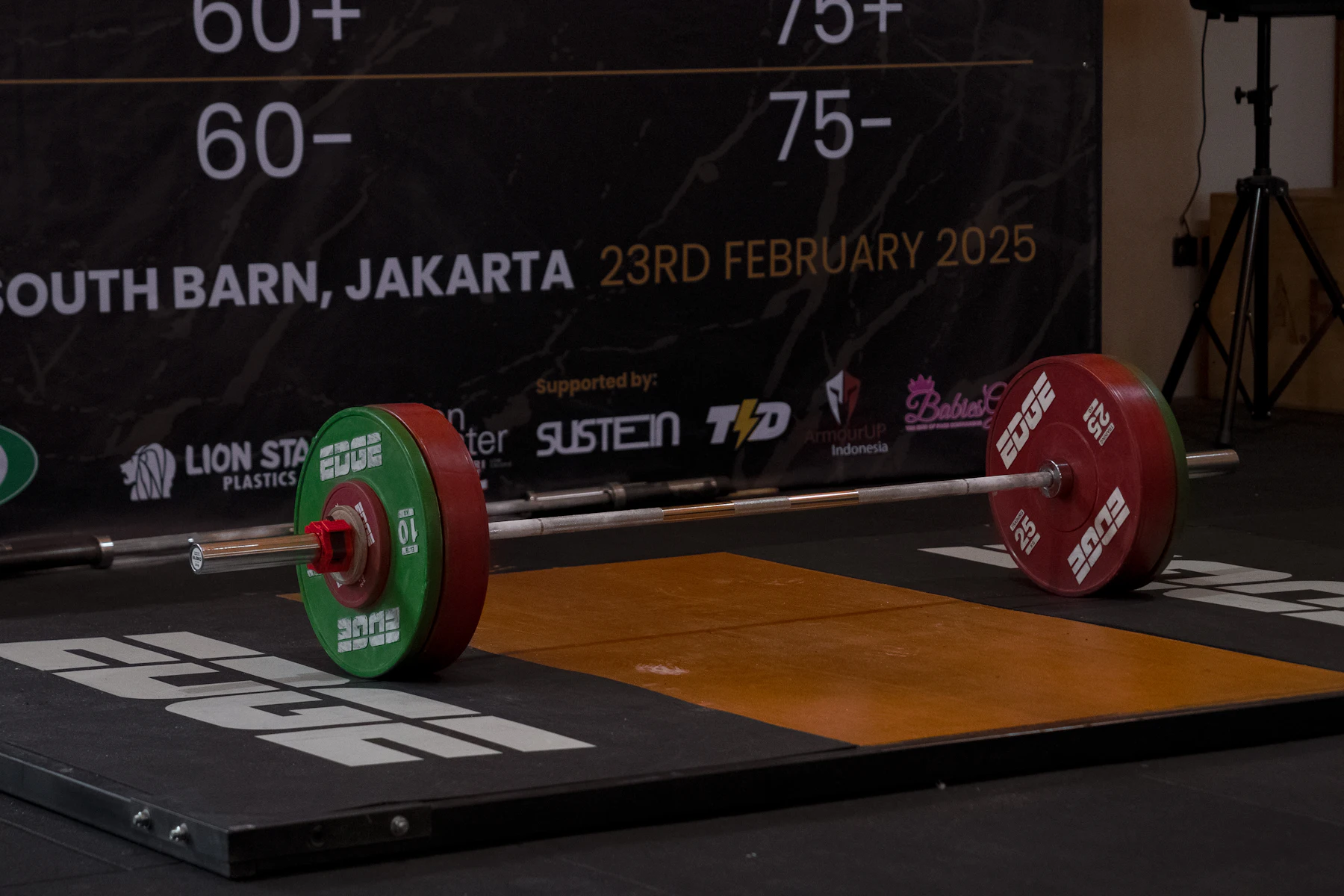
A dynamic-effort bench session is built around repeatable, high-quality concentric efforts rather than exhaustion. Choose a load you can move briskly for short sets, perhaps two to four repetitions. Stop a set when speed or technique noticeably deteriorates. The point is to practice strong acceleration repeatedly, not to turn light weights into a conditioning circuit by eliminating all rest.
For example, after a progressive warm-up, six sets of three technically consistent repetitions can provide eighteen opportunities to practice a decisive press. Rest enough between sets to recover useful speed. Depending on load and experience, that might mean roughly one to three minutes, with longer recovery when performance demands it. If the first set looks sharp and the last three look like near-maximal grinders, the weight, total work or rest intervals need adjustment.
The controlled lowering phase should be neither a collapse nor an artificially prolonged negative. Bring the bar down to the same touch point, maintain upper-back tension and reverse direction only when balanced. For a paused variation, allow the bar to settle without losing tension. The upward phase is forceful, but lockout remains under control. Avoid deliberately bouncing or violently hyperextending the elbows to manufacture speed.
Use dynamic sets as one ingredient of a broader training week. Someone already benching hard twice weekly may replace a small portion of redundant volume with speed-focused work rather than adding an entire third pressing day. A beginner will often gain more from practicing ordinary technically sound presses before specializing. The most valuable session is the one that leaves enough recovery capacity for consistent training over months.
Accessory lifts for the muscles and positions that matter
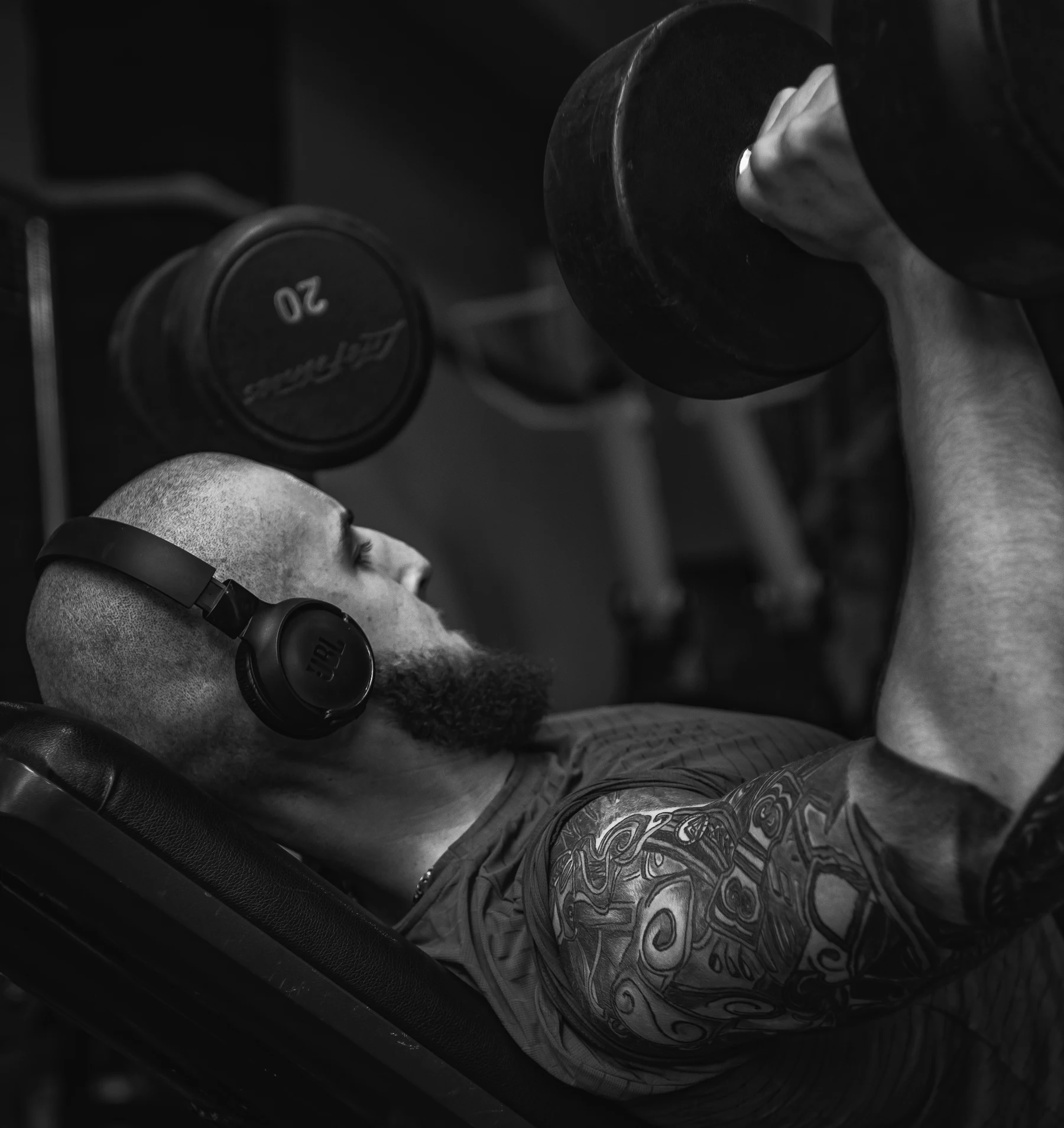
The bench press depends on coordinated work from the pectorals, anterior deltoids, triceps and the stabilizing musculature around the shoulder girdle. Accessories should address an identifiable limitation, not simply accumulate exercises. A lifter who struggles off the chest may benefit from additional paused bench work and a controlled dumbbell press through a comfortable range. A lifter who consistently stalls near lockout may use close-grip pressing or triceps extensions, provided the elbows tolerate them.
Dumbbells can train pressing through a slightly different arm path and allow each side to work independently. They also require more stabilization and may be harder to get into position safely at high loads. A cable chest press or fly can add chest-focused work with a different resistance profile, but neither replaces the specificity of practicing a barbell bench if a barbell maximum is the target.
Rows, pulldowns and other upper-back work help maintain balanced shoulder training and provide a stable foundation for pressing. They should not be sold as magical direct increases to the bench maximum. Similarly, a stronger overhead press can be useful general training without guaranteeing a particular increase in bench performance. Match the exercise to the lifter’s actual weak point, available equipment and recovery budget.
Select one or two accessories after the main press and perform a manageable number of challenging sets. For instance, two or three sets of six to ten dumbbell presses plus two or three sets of eight to twelve rows can complement a bench-focused session. Increase repetitions or resistance gradually. If accessory soreness repeatedly ruins the next bench workout, reduce it rather than treating the fatigue as evidence of effectiveness.
Equipment Worth Exploring
Explore equipment, accessories and gear from our carefully selected range.
VOLTRA
Compact digital cable trainer with smooth, adjustable resistance.

Go-Tone Pro
Portable digital cable trainer with up to 66 lb (30 kg) of adjustable resistance.

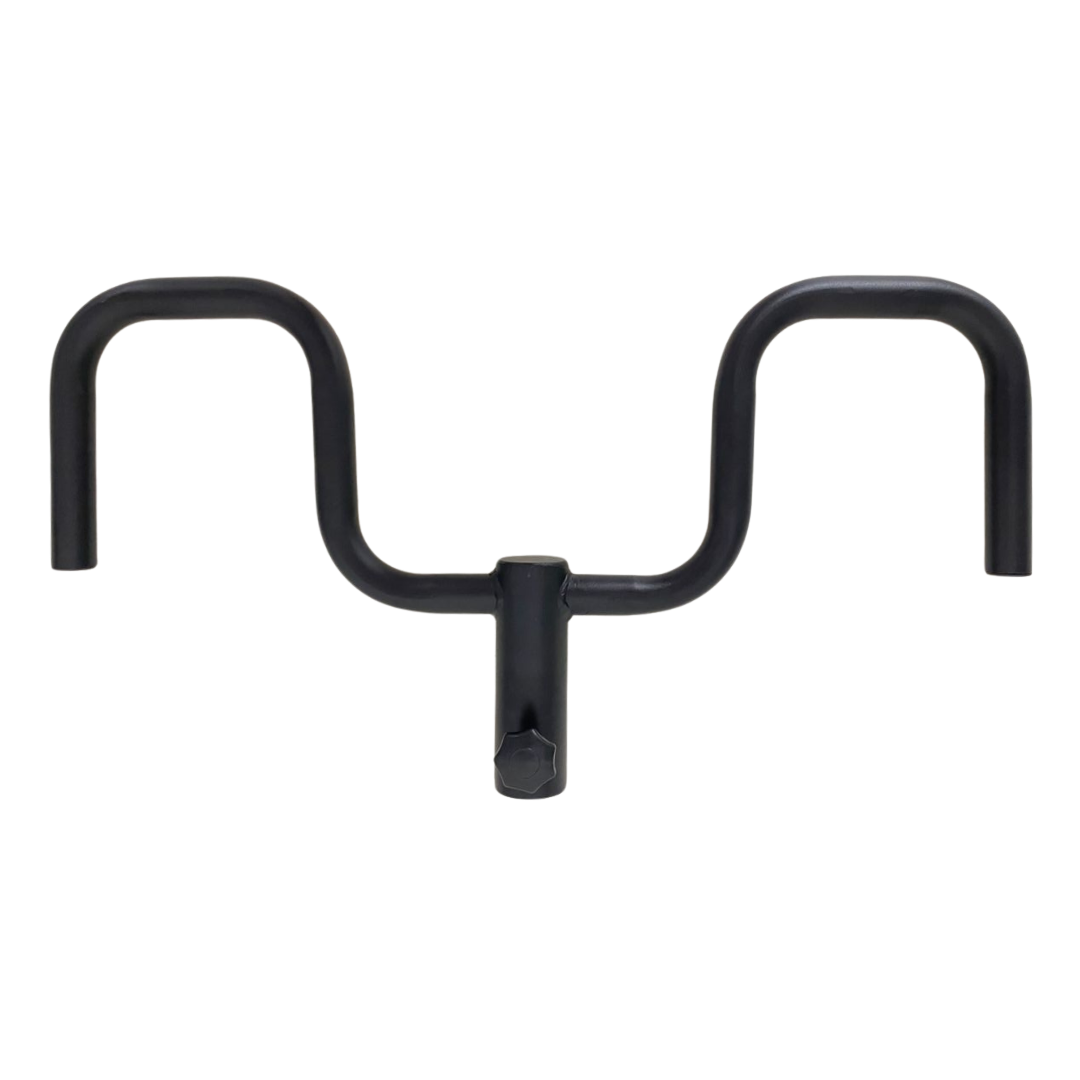

GymPin D Handle Bar
Multi-use steel D-handle bar for cable rows, pulldowns and other cable exercises.

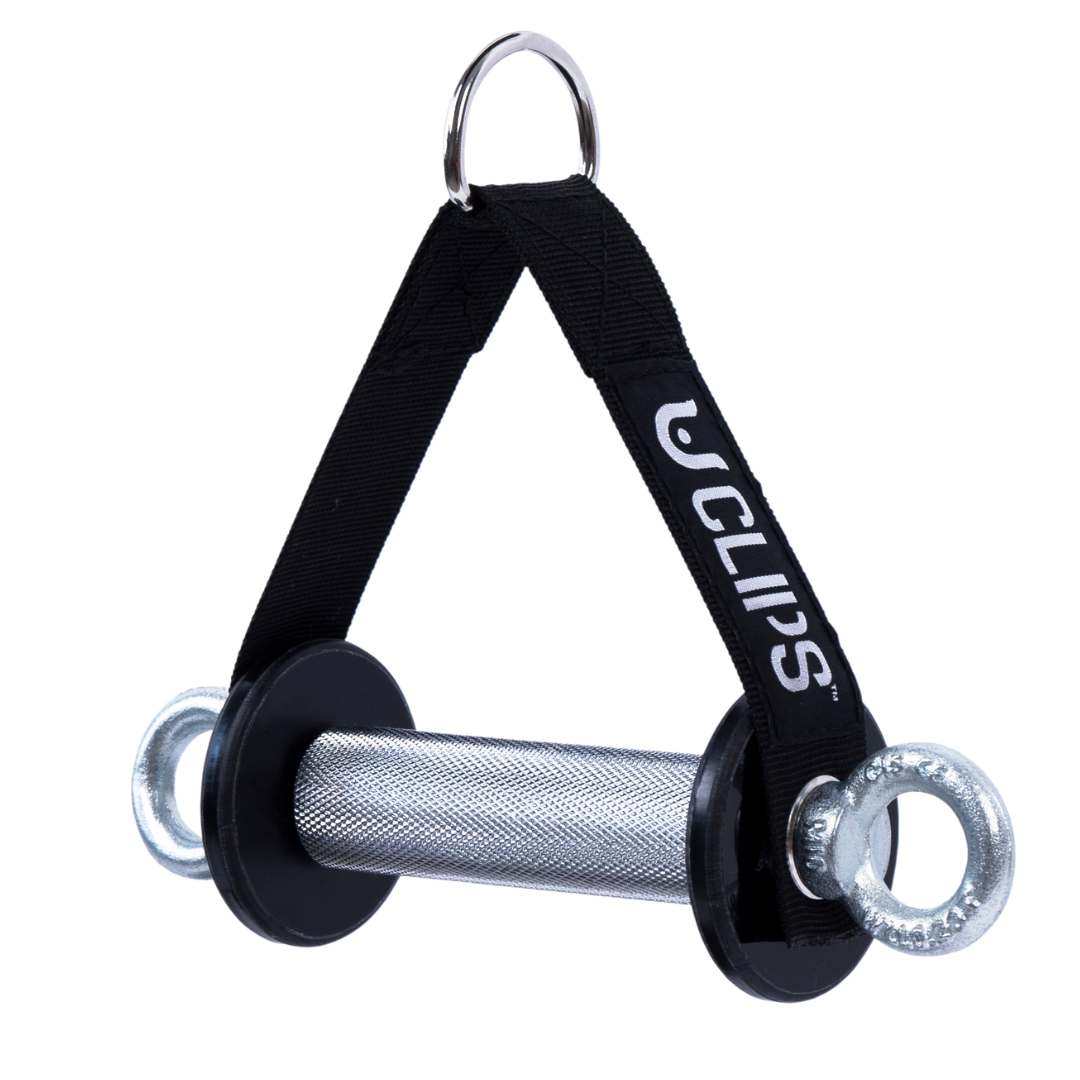
GymPin Ergo Handles
Pair of ergonomic cable handles shaped for comfortable triceps and pulling exercises.

Long Tricep ERGO Ropes
Extended triceps ropes with ergonomic grips for cable pressdowns and overhead extensions.

Track progress without confusing speed with strength
The most accessible tracking system starts with ordinary training records: load, repetitions, sets, rest time, perceived effort and whether the touch point and pause were consistent. Keep a few technically comparable top sets across weeks. If the same weight can be pressed for more clean repetitions or feels easier at a similar effort, that is meaningful progress even without a velocity sensor.
Bar-speed devices can add information, but the readings depend on the device, exercise, technique and measurement method. In research with high-level athletes, average propulsive velocity was strongly associated with relative bench load under standardized testing. That relationship can be useful for estimating training intensity, but it should not be assumed to transfer perfectly between different lifters, bar paths or machines. Compare like with like rather than treating a single velocity number as an absolute score.
A smartphone video can help check bar path, pauses and obvious changes in tempo. Use the same camera angle and frame rate when comparing sessions. Video is not a substitute for a calibrated force measurement, and a rep that appears fast can still involve inefficient mechanics. If the bar slows substantially at a load that is normally easy, consider fatigue, insufficient rest, a poor setup or normal day-to-day variation before rewriting the program.
Performance should be evaluated over multiple sessions, not one unusually energetic day. Record shoulder and elbow comfort alongside numbers. A small improvement in estimated maximum is not worth chasing if it requires abandoning controlled technique. Stronger, faster pressing is built from repeatable exposure and recovery, not from a perfect spreadsheet or a single maximal-effort video.
A practical six-week bench press power progression
Use two bench exposures per week with at least a couple of days between them. On the first day, prioritize strength: warm up progressively, then perform three to four working sets of three to five repetitions at a challenging but technically clean load. Finish with two sets of controlled chest or triceps work and some upper-back pulling. Leave one or two repetitions in reserve on most working sets rather than grinding every repetition.
On the second day, prioritize crisp pressing: warm up, then perform five or six sets of three fast-intent repetitions with a lighter load that stays controlled. Pause briefly on the chest if it improves consistency, and take enough rest to keep every set sharp. Follow with a modest amount of dumbbell pressing or rows. If equipment or experience makes fast-intent barbell pressing difficult to control, use ordinary submaximal paused bench repetitions instead.
During weeks one and two, establish the setup, choose manageable loads and record a baseline top set. During weeks three and four, increase the strength-day load only when all prescribed repetitions remain clean; on the faster day, maintain speed and consistency rather than automatically adding plates. In week five, keep the same structure but trim an accessory set if accumulated fatigue rises. In week six, reduce volume early in the week and compare a technically matched submaximal set or perform a carefully supervised heavier assessment.
This is a template, not a claim that one fixed percentage or six-week block is scientifically optimal. Someone returning from pain, a novice without safe rack equipment or an athlete in a demanding sport season should use less work and more conservative loading. The practical objective is simple: improve the force you can produce, learn to apply it promptly and retain enough control that the next training session is possible.
Funny Gym Shirts & Workout Gear
Funny gym shirts, tanks, hoodies and workout gear for lifters who like training hard.


Vitruvian Man With A Barbell Shirt – Leonardo Da T-Shirt
Show some powerlifting attitude with a playful “Vitruvian Man With A Barbell” tee.

Raise The Barbell Shirt – Motivational & T-Shirt
Show some powerlifting attitude with a playful “Raise The Barbell” tee.

Shirt & 45LBs Metal Weight Plate & Barbell Meme Top T-Shirt
Show some metalhead attitude with a playful “Funny Gym Shirt & Pump Cover” tee.

Lifting Is In My DNA Shirt – & Gains T-Shirt
Make gym days more fun with “Lifting Is In My DNA” style.

I Love Bench Press Valentine'S Day Meme – Chest Day T-Shirt
Make gym days more fun with “I Love Bench Press Funny Valentine's Day” style.

Practice Stoicism Under The Barbell: Sigma Greek God T-Shirt
Make gym days more fun with “Practice Stoicism Under the Barbell:” style.

Meme Shirt – The Ultimate Lifting Is Life Top T-Shirt
Show some bodybuilding attitude with a playful “The Ultimate” tee.

Addiction Meme Barbell Addict Top & Gymbros T-Shirt
Make gym days more fun with “Gym Addiction Funny Meme” style.

Big Boy Barbell Club Shirt Meme & Essential Top T-Shirt
Make gym days more fun with “Big Boy Barbell Club” style.