Advanced resistance-training methods promise more from every set: strip weight for a drop set, rest briefly and repeat, deliberately overload the lowering phase, or use bar-speed feedback to decide when to stop. For a home-gym lifter, the useful question is not whether a method feels difficult. It is whether it improves strength, muscle growth or training efficiency without adding disproportionate fatigue or equipment complexity.
A February 2026 systematic review and meta-analysis examined advanced training systems in recreationally trained adults. Its central finding was nuanced: some approaches can improve strength outcomes, but they are not consistently superior for muscle growth. The practical takeaway is to use techniques selectively rather than treating them as mandatory upgrades.
Below is a research-based guide to the major techniques and a simple four-week approach for testing them in a home gym.
What the 2026 research actually found
The 2026 review pooled 23 studies covering rest-pause training, drop sets, eccentric overload, velocity-based methods, clusters and tempo manipulation. Across all outcomes, advanced approaches had a small statistically significant advantage (standardized effect g = 0.159). Strength outcomes showed a more substantial average advantage (g = 0.351), whereas the pooled hypertrophy difference was small and not statistically significant (g = 0.046). These are comparisons across research groups, not promises about any individual lifter.
Strength and muscle size are related but distinct. A lifter can improve a heavy lift through skill, confidence, force production and practice without gaining an equivalent amount of muscle. Likewise, a technique can produce challenging repetitions and support hypertrophy without being the fastest route to a maximal single.
The review found a modest hypertrophy signal for rest-pause training, while velocity-based training and eccentric overload appeared more favorable for strength. Drop sets, cluster protocols and tempo-controlled lifting generally produced comparable adaptations to conventional sets when relevant work and effort were matched. The studies used different populations, exercises and definitions, so no single result establishes a universally best training style.
At home, select a method for a specific bottleneck. If changing weights takes too long, rest-pause can reduce transitions. If a barbell movement becomes sloppy under fatigue, clusters may preserve repetition quality. If normal straight sets work well and fit the available time, there is no scientific obligation to make them more complicated.
Drop sets: time efficiency, not magical muscle growth
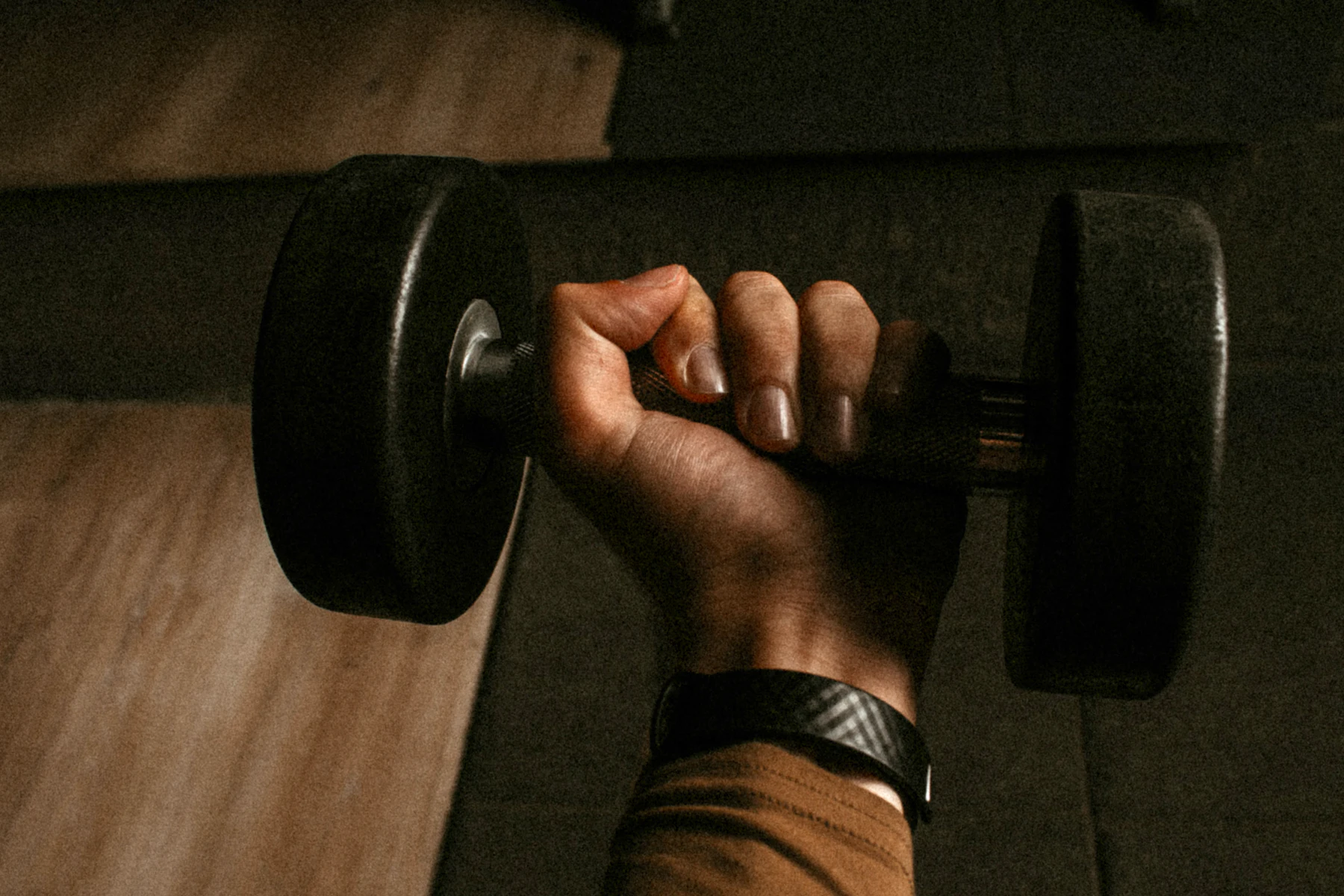
A drop set starts with a demanding set, then reduces resistance and continues with little rest. The technique is convenient on a selectorized cable machine, where changing the pin takes seconds. On adjustable dumbbells, the same transition may take long enough to remove much of the time advantage. Stripping plates from a heavy barbell under fatigue is rarely the most practical option.
A 2023 meta-analysis found no significant muscle-growth advantage over traditional sets, even though some drop-set formats took much less time. A separate 2026 synthesis reported greater acute exertion and lactate responses. That helps explain why drop sets feel punishing, but the burning sensation is not proof of extra long-term hypertrophy.
For a sensible trial, use a stable isolation exercise such as a cable curl or lateral raise. Complete one challenging conventional set, reduce the resistance by roughly 20–30%, then continue with controlled repetitions. Stop when technique degrades rather than adding endless weight reductions. Record the initial load, first-set reps and total sequence so progress remains measurable.
Heavy squats and deadlifts are poor default candidates. The added fatigue can make bracing and positioning deteriorate before meaningful extra work accumulates. One carefully chosen finishing sequence is more useful than turning every exercise into a drop-set competition.

Equipment Worth Exploring
Explore equipment, accessories and gear from our carefully selected range.


FID Bench MAX
Adjustable bench offering flat, incline, and decline positions + adjustable headrest.


Rest-pause: hard repetitions without changing the weight
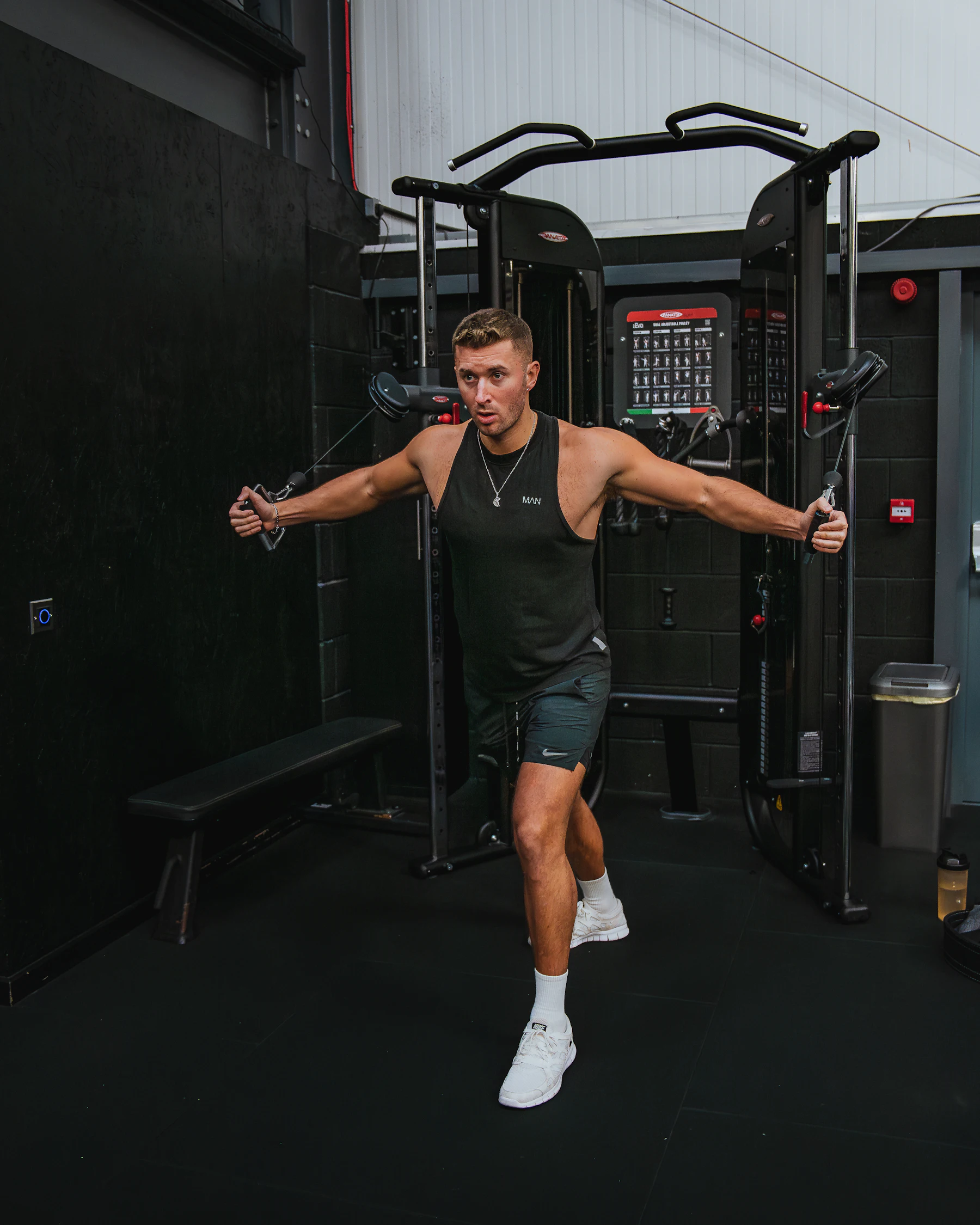
Rest-pause training divides an extended effort into brief bursts separated by short breaks. You might perform eight controlled repetitions, pause about 20 seconds, then complete three more, rest again and finish with another two. Unlike a drop set, resistance generally stays unchanged. The pauses restore enough capacity to repeat useful work with minimal equipment adjustment.
The 2026 advanced-methods review identified a modest hypertrophy advantage for rest-pause in its included studies. That signal is promising, not conclusive: protocols and participants varied, and an average difference does not justify replacing all ordinary sets. Its practical benefit is easier to appreciate when a home gym has only one pair of dumbbells or a single cable station.
Try a chest-supported row, cable triceps extension or stable machine press. Select a load you could lift for roughly eight to twelve clean repetitions, stop just before form breaks down, rest 15–30 seconds and add two small clusters of two to five repetitions. Keep your body position and range of motion consistent across the sequence.
Count the fatigue honestly. A rest-pause block is not automatically equivalent to one ordinary set when planning weekly workload. If performance in your next workout drops, reduce the mini-sets. It is a useful option for accumulating demanding repetitions, not a license to ignore recovery.

Funny Gym Shirts & Workout Gear
Funny gym shirts, tanks, hoodies and workout gear for lifters who like training hard.

OnlyGains Meme – Bros – & Lifting, Humor T-Shirt
Rep “OnlyGains Gym Meme” humor in and out of the gym.

Meme Installing Muscles & Lifting Shirt Bros & T-Shirt
Bring “Installing Muscles” humor to your next gym day.

Dost Thou Even Hoist Sir? – Do You Even Lift, Bro? T-Shirt
Make gym days more fun with “Dost Thou Even Hoist Sir?” style.

Platehead Powerlifting Tee
Heavy lifts, good laughs, and a little “Platehead Gym Skull” energy.

Trainer Scares Me
Rep “'I Would Have Quit Already But My Trainer” humor in and out of the gym.


Lift King Gym Lion Tee
Show some powerlifting attitude with a playful “Lift King Gym Lion” tee.

Eccentric overload: controlled lowering before extra load
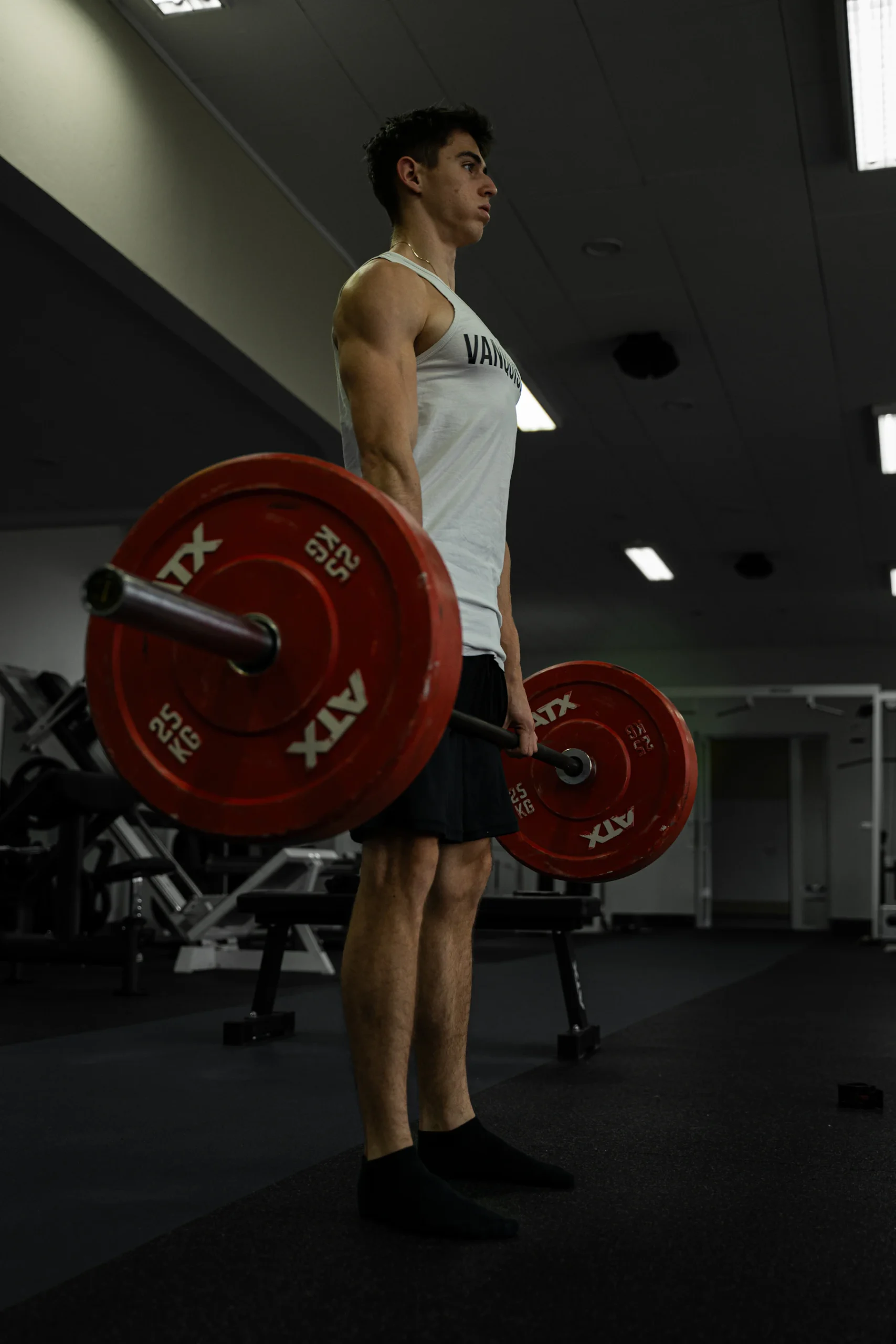
The eccentric phase occurs while the working muscle lengthens under tension, such as when lowering a dumbbell curl or descending into a squat. Motorized cable trainers and specialized devices may increase resistance during this portion of the repetition. That is different from simply lowering a conventional weight slowly, because the force can change between lifting and lowering.
A 2024 systematic review comparing eccentric and concentric actions found broadly similar hypertrophy outcomes overall, although some subgroup differences appeared and certainty was limited. The 2026 advanced-methods synthesis suggested eccentric-overload methods may contribute more to strength than to clearly superior muscle growth. These findings do not support the claim that heavier negatives are a universal shortcut to size.
First establish a repeatable full range of motion and a controlled descent at ordinary resistance. If using a smart cable trainer, check the anchor, mount, attachment and cable travel before enabling a mode that changes load. Avoid settings that unexpectedly pull you out of position, and remember that a home gym may not have a spotter.
Introduce eccentric emphasis on one predictable movement with a modest increase, then assess soreness, joint comfort and next-session performance. The goal is a controllable stimulus. Loading more than you can safely lower is not advanced programming; it is a preventable risk.
Velocity-based training and clusters: prioritize quality
Velocity-based training uses movement speed to help manage effort and repetition quality. A sensor may measure bar speed directly, while a lifter without one can still observe whether repetitions remain crisp or slow dramatically. Either way, speed is only meaningful when the exercise, range of motion and setup are consistent.
Cluster sets redistribute rest within a planned group of repetitions. Instead of grinding through five heavy repetitions without stopping, a lifter might complete two, rest briefly, complete two more and finish with one. This can preserve technique and power, but it also takes longer than an uninterrupted set. It is therefore not automatically the most efficient choice for a short hypertrophy session.
The 2026 review reported strength-oriented benefits for some advanced systems without establishing a general hypertrophy advantage for clusters when work and effort were comparable. Use the distinction to choose deliberately: clusters and speed feedback suit sessions where repetition quality under demanding loads matters; ordinary hard sets are usually simpler when the goal is accumulating muscle-building work.
In a power rack, set the safeties, use a familiar lift and keep rest intervals deliberate. For example, perform two squat reps, pause 15–25 seconds, repeat twice, then take a full recovery period before the next cluster. If the bar path becomes inconsistent, end the effort rather than chasing a velocity number or an arbitrary repetition target.
Equipment Worth Exploring
Explore equipment, accessories and gear from our carefully selected range.
VOLTRA
Compact digital cable trainer with smooth, adjustable resistance.

Go-Tone Pro
Portable digital cable trainer with up to 66 lb (30 kg) of adjustable resistance.
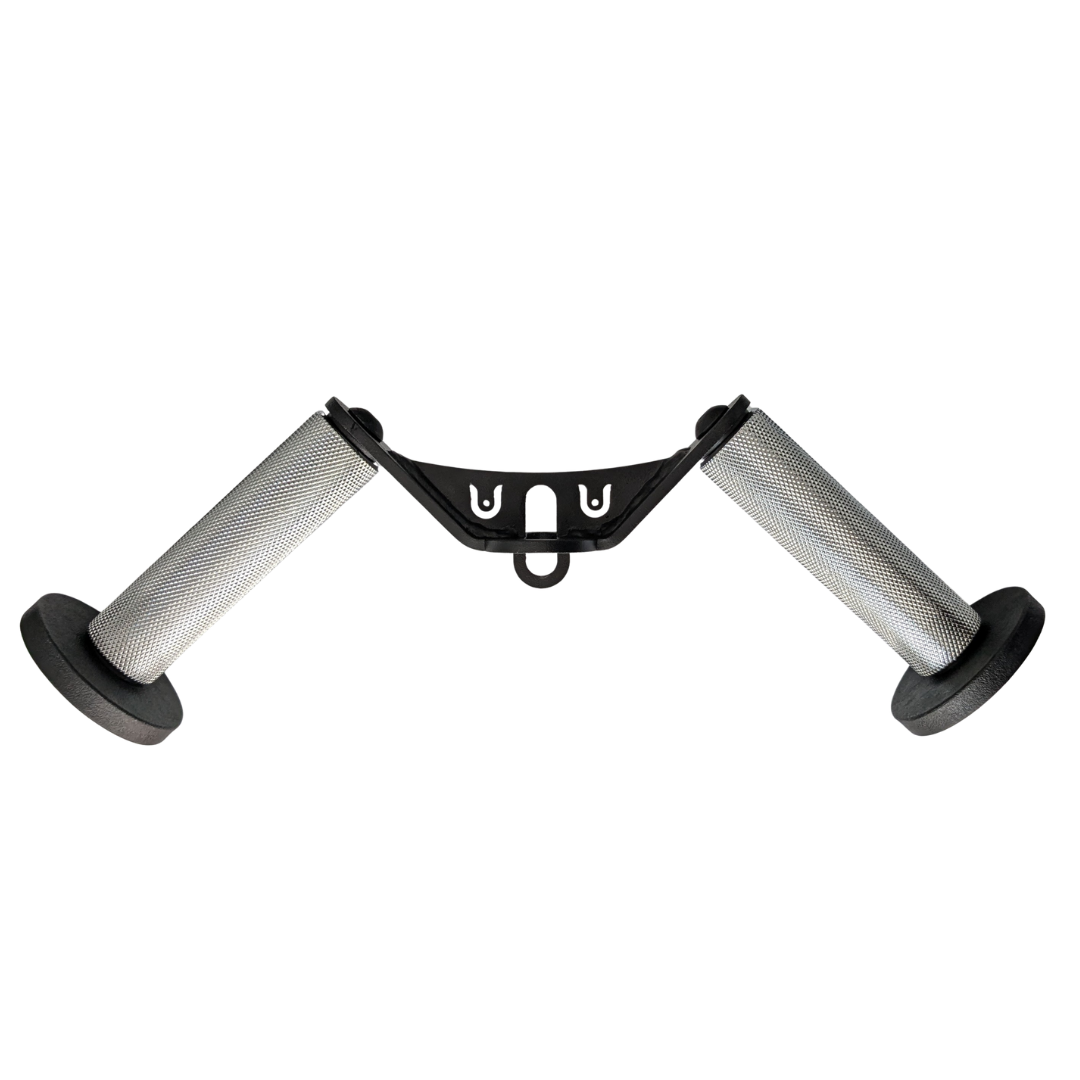
W Grip
Angled cable grip for comfortable rows, pushdowns, and curls.

GymPin Ergo Handles
Pair of ergonomic cable handles shaped for comfortable triceps and pulling exercises.

Long Tricep ERGO Ropes
Extended triceps ropes with ergonomic grips for cable pressdowns and overhead extensions.

Original GymPin
Adds Olympic plates to compatible cable-machine weight stacks for extra resistance.

Supersets and tempo: solve a problem, not chase fatigue
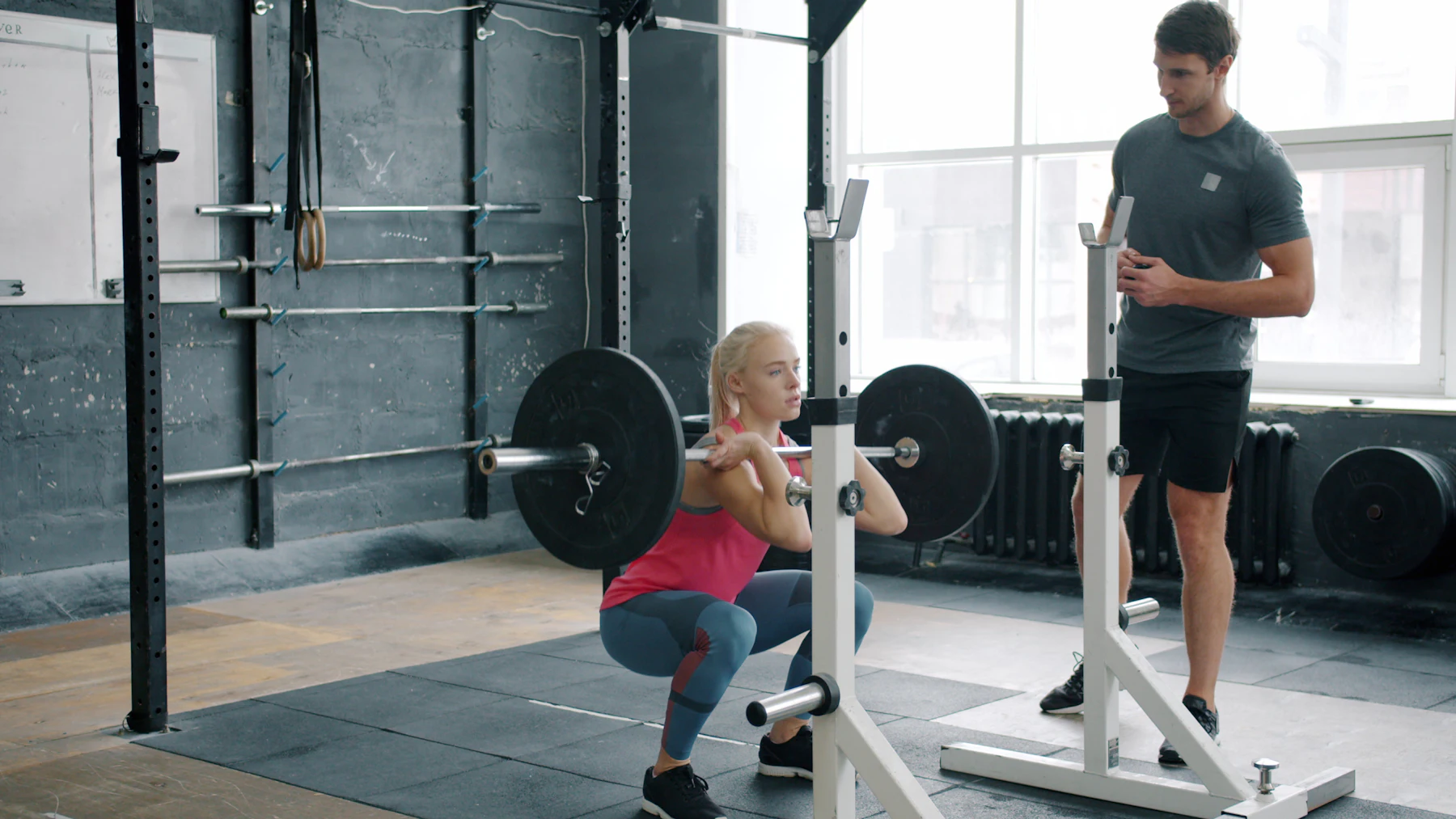
A superset pairs two exercises with little rest between them. Alternating a row with a press can shorten a session without repeatedly exhausting the same muscle. Pairing two hard chest exercises creates a different, more fatiguing stimulus. A 2025 systematic review examined these approaches and highlighted why exercise pairing, work performed and acute fatigue must be considered rather than treating all supersets as identical.
Home gyms make sensible supersets easy because you do not have to reserve multiple machines. A bench, adjustable dumbbells and a cable trainer can support a press-and-row pairing with few transitions. However, if the second exercise forces shorter range of motion or a major loss of repetitions, the saved minutes may not justify the performance tradeoff.
Tempo prescriptions have a similarly limited but useful role. A two- or three-second lowering phase can teach control and expose unstable positions. Deliberately slowing every repetition, though, can turn a strength set into a prolonged endurance effort. The 2026 advanced-methods review did not establish universal extra hypertrophy from tempo-controlled lifting when compared with appropriately matched conventional training.
Choose one purpose per technique. Pair noncompeting movements when the schedule is tight, use a controlled tempo when technique needs attention, and keep demanding compound lifts straightforward when heavy performance is the priority. If a method makes the training log harder to interpret, simplify before adding another variation.
A practical four-week home-gym experiment
Start with a conventional foundation: train three nonconsecutive days weekly and alternate two full-body sessions. Session A can include a squat pattern, horizontal press, row and curl. Session B can include a hinge, incline or overhead press, vertical pull and a single-leg movement. Select exercises your equipment and joints tolerate, with two or three challenging working sets per movement as a starting structure rather than an inflexible rule.
In week one, record load, repetitions, range of motion and roughly how many clean reps remained. Keep most sets short of technical failure and use repeatable rest intervals. Week two should produce small, interpretable improvements: an extra rep, a modest weight increase when all reps are controlled, or a more consistent range of motion. Do not change every variable simultaneously.
In week three, add only one advanced method to a stable accessory exercise. Try a single rest-pause block on cable rows or one drop set on curls if load changes are easy. Keep the main lifts unchanged so their performance can be compared with earlier weeks. If maximal strength is the primary goal, a small cluster format on a familiar compound lift may be more relevant than another isolation finisher.
Week four is for evaluation. Did the method increase useful repetitions, maintain form, shorten the workout or merely increase soreness? Compare similar sessions, not isolated best efforts. If sleep, recovery or next-session performance deteriorated, return to conventional sets and reduce the extra fatigue before introducing a different technique.
Equipment should follow the program rather than dictate it. Adjustable dumbbells, a stable bench, a rack with appropriate safeties and a versatile cable system can cover a wide range of movements, but none is mandatory for every person. Verify actual resistance at the handle, cable travel, mounting compatibility and attachment safety. The most valuable purchase is often the one that removes a recurring training bottleneck.
The conclusion is deliberately unglamorous: advanced methods are tools, not obligations. The 2026 evidence supports selective use for particular strength outcomes and practical constraints, while consistent challenging training and recovery remain the dependable foundation for a home gym.
Bodybuilding Shirts & Workout Gear
Bodybuilding shirts, tanks and gym gear for lifters chasing muscle, size, symmetry and the pump.

Shirt – Lift O'Clock Bros – Meme & Gains T-Shirt
Rep “Lift O'clock” humor in and out of the gym.

Shirt – Lifting Things & Getting Gains – Gymbro Meme T-Shirt
Bring “Lifting Things & Getting Gains” humor to your next gym day.

Live Love Lift – Gymbro Meme & Gains – Shirt T-Shirt
Rep “Live Love Lift” humor in and out of the gym.

Lifting Cult – Gymbros & – Meme Top Gains T-Shirt
Show some lifting attitude with a playful “Lifting Cult” tee.


Deadlift And Chill Shirt Netflix & Gains Meme Top T-Shirt
Bring “Deadlift and Chill” humor to your next gym day.

Bench Press and Chill Funny Gym T
Make gym days more fun with “Bench Press and Chill” style.

Squat Bench Deadlift Read Shirt Literary Bookworm Top T-Shirt
Bring “Squat Bench Deadlift Read” humor to your next gym day.