Advertising disclosure: This page includes affiliate product links that may earn us a commission, as well as products from our own store.
Incline Treadmill Walking: Choose the Grade, Pace and a Six-Week Plan
Incline walking is an unusually easy cardio session to measure: the treadmill shows your speed, slope and elapsed time, and you can repeat those settings next week. That control also makes it easy to mistake a famous preset for a personal prescription. A steep belt is not automatically the best workout. The useful target is a pace you can maintain with a natural stride and a level of effort that matches your training.
This guide starts with the controls, then covers walking mechanics, what the research actually measures and a six-week progression that can sit alongside strength training. It works whether your gym’s treadmill reaches 15% grade or stops much earlier. The goal is consistent cardiovascular work, not surviving an arbitrary display number.
Start With Effort, Then Choose Speed and Incline
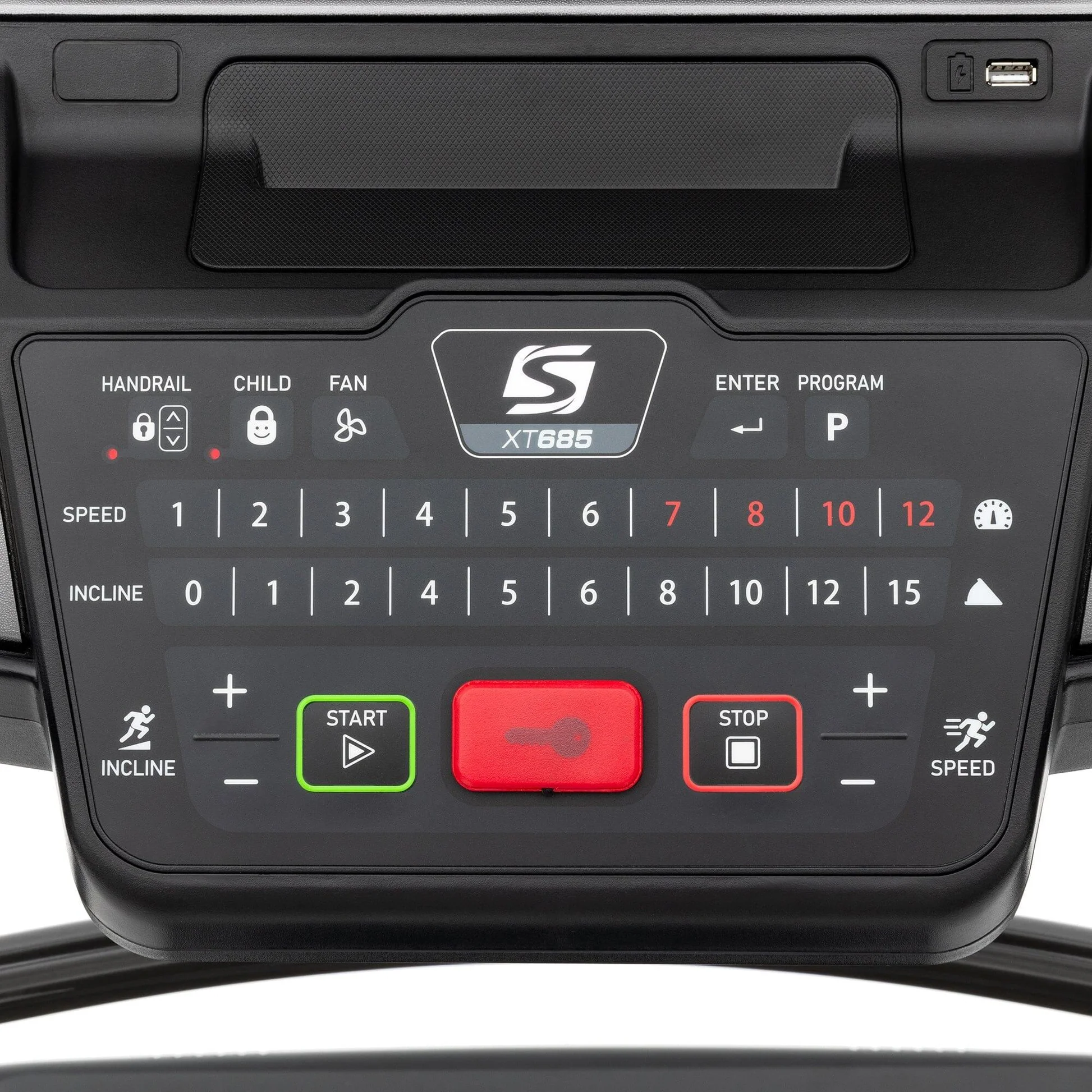
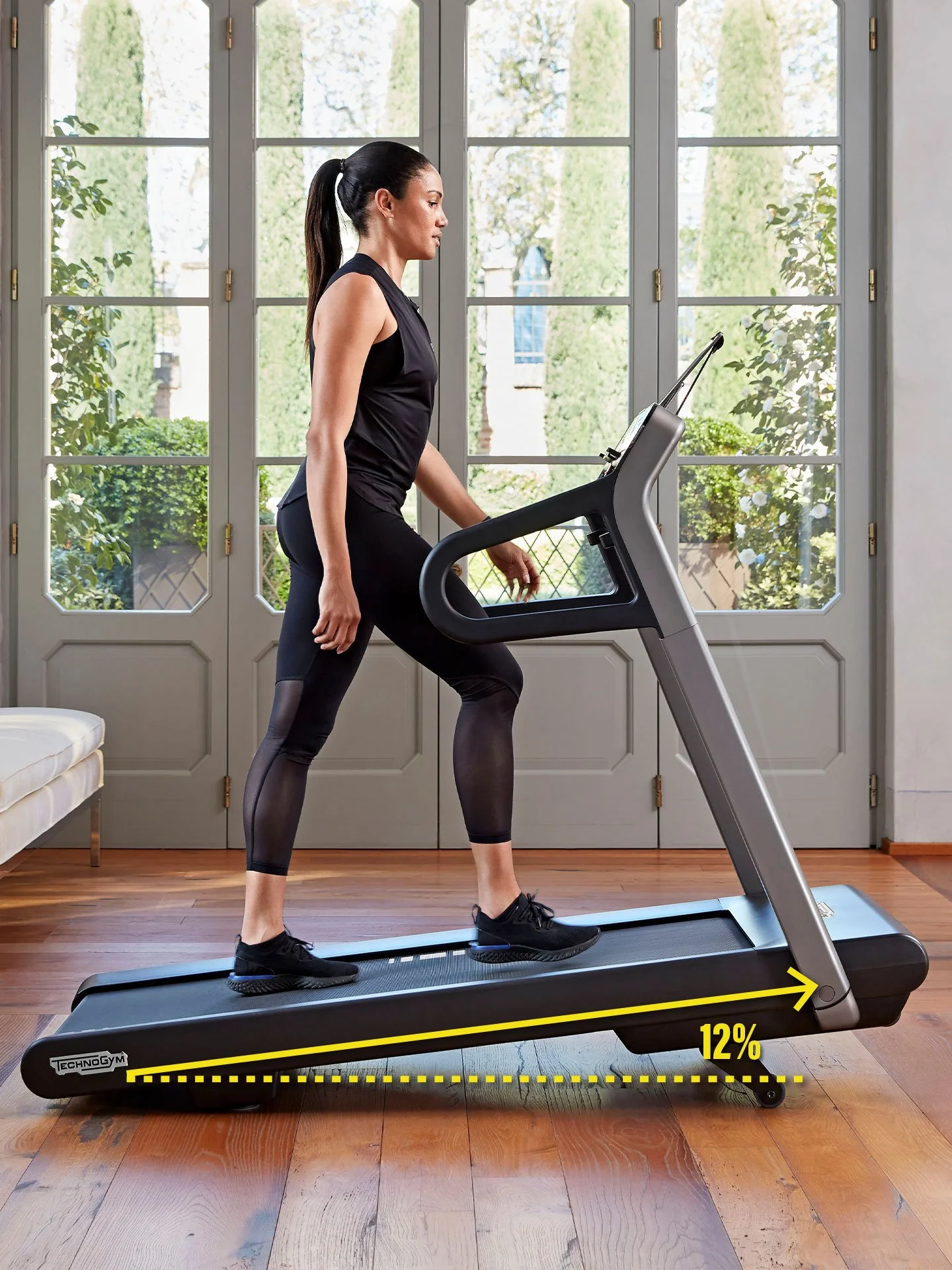
Most motorized treadmills display incline as percent grade, not degrees. At 5% grade, the belt rises the equivalent of five units vertically for every hundred units horizontally. A 10% setting is about 5.7 degrees, not a 10-degree hill. Some machines use numbered incline levels instead of percentages; check the model before comparing logs with someone else’s.
Speed and grade are two separate controls for effort. A flat 5 km/h walk might be gentle, while the same belt speed on a steep slope can demand much more breathing and calf work. If you increase both at once, you cannot tell which change pushed the workout too far. Start on level ground, find a smooth brisk walk, then raise the grade by a small increment while keeping the speed comfortable.
Use the talk test before chasing a heart-rate-zone label. For moderate effort, you should generally be breathing faster but still able to speak in sentences; singing would be difficult. If you can only get out a few words, back off. Relative effort varies with fitness, fatigue, medication, room temperature and even whether you have just finished leg day.
For a practical first session, walk easily for five minutes, try 2–4% incline for another five, then decide whether the same speed feels sustainable. The 12-3-30 format means 12% grade, 3 mph and 30 minutes, but there is no requirement to begin there. A shorter, easier hill that you can repeat beats a difficult number you dread using.
Walk Upright Without Hanging From the Handrails
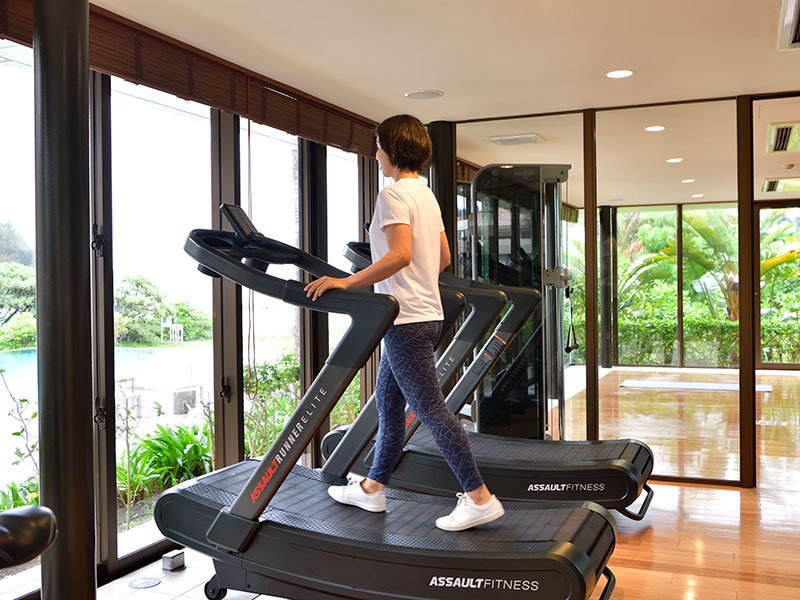
A good uphill stride still looks like walking. Face forward, let your arms move, keep your ribs stacked over your hips and place your feet beneath rather than far ahead of you. Do not try to exaggerate the heel strike or take dramatic mountain-climbing steps. A gentle forward lean from the ankles can happen naturally on a slope; bending hard at the waist to keep up with the belt is a sign that the settings may be too demanding.
Start the belt at an easy pace and attach the safety clip if your treadmill has one. Learn where the speed and emergency-stop controls are before raising the incline. Stay roughly centered on the deck. Avoid staring at a phone during the first few minutes of a new grade, because even a small change in rhythm can move you backward on the belt.
Handrails are for getting positioned, balance when needed and transitioning between speeds—not something you have to avoid at the expense of safety. If you are continuously leaning backward and supporting a large share of your weight through your arms, the steep grade on the screen no longer describes the same workload as unsupported walking. Research on handrail use shows that posture matters, particularly when someone leans back at a high incline.
If you need to grip tightly to complete the interval, lower the slope or speed and regain a relaxed arm swing. A secure, upright light touch is preferable to wobbling. People with balance difficulties can use the rails throughout and still train; they simply should not compare machine calorie estimates with unsupported sessions as though the effort were identical.
What a Slower Uphill Walk Changes—and What It Does Not
Incline can make a slower walk challenging without turning it into a run. One controlled biomechanics experiment assessed 12 adults with obesity on different treadmill speeds and slopes. Under one particular comparison—slower walking at a six-degree incline versus faster level walking—the researchers found lower calculated knee extension and adduction moments while measuring similar moderate-intensity metabolic demands. This is an interesting mechanical trade-off, not proof that incline walking prevents knee injuries or treats knee pain.
A detail matters when interpreting that experiment: six degrees is roughly 10.5% grade, and changing the incline also changed speed. You cannot conclude that raising the slope while holding every other setting fixed necessarily reduces joint loading. A separate modeling study comparing 19 adults found lower early-stance tibiofemoral loads for slower uphill walking under its specified conditions, while other parts of the step did not show the same advantage.
Uphill walking generally asks the hips, calves and ankles to manage a different pattern of motion and muscular work. You might notice breathing rise before the clock reaches ten minutes; you might also feel the calf-Achilles area more than on level ground. Feeling muscular effort is not the same as proving bigger calves, better glutes or a smaller waist. Incline walking supports aerobic work, but it does not substitute for progressive resistance exercises when muscle gain is the objective.
For comparisons, write down time, speed, grade and perceived effort. A more demanding incline can raise the energy cost of walking, but the calorie number on the console remains an estimate, not a direct measurement. If fat loss is your goal, total activity, food intake and consistency matter more than a mythical fat-burning slope.
A Six-Week Walking Progression You Can Actually Repeat
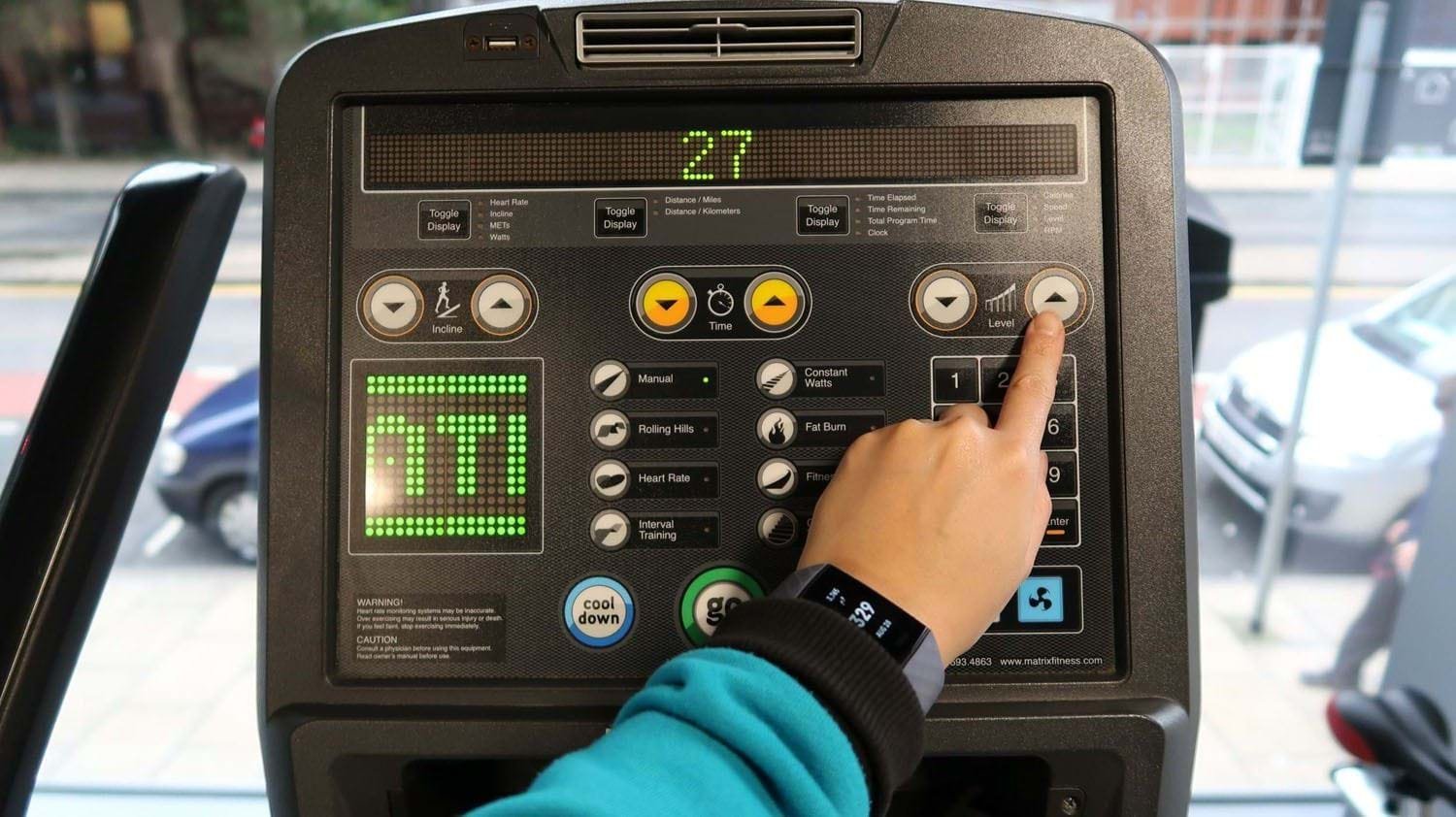
Use two or three sessions per week, separated or placed around your lifting days as recovery permits. Each session starts with five minutes of easy level walking and finishes with three to five minutes of gradual cooldown. The ranges below are examples, not compulsory targets: keep the walking portion conversational, repeat a week if needed and count minutes rather than competing for a higher incline.
- Week 1: Two sessions of 15–20 total minutes. Establish an easy brisk speed on 0–2% grade; test a short, gentle hill only if the belt feels familiar.
- Week 2: Two or three sessions of 20–25 minutes. Hold the same speed; use 2–3% for part of the middle ten minutes if breathing remains controlled.
- Week 3: Three sessions of 20–25 minutes. Alternate five minutes of level or light grade with five minutes of a modest incline. Keep the changes smooth.
- Week 4: Two or three sessions of 25–30 minutes. Add time first. If that feels comfortable, raise one hill by about one percentage point, not every interval.
- Week 5: Three sessions of 25–30 minutes. Try a 6–10-minute continuous hill at a sustainable grade, with easy walking on either side. Do not increase speed simultaneously.
- Week 6: Repeat your preferred 25–35-minute session at comparable settings. Look for easier breathing, less handrail reliance or a slightly lower effort rating before considering another increase.
Record how you felt ten minutes afterward and the next morning. A workout that leaves you unusually sore for your squat session may need a shorter hill, not greater determination. If 2% grade already feels demanding, you can complete the full progression there by building duration. If the machine cannot incline, a brisk level walk remains worthwhile.
The public-health target for adults is commonly at least 150 minutes of moderate aerobic activity per week, alongside two muscle-strengthening days. This short plan is a way to build toward that total, not a claim that three treadmill sessions alone satisfy everyone’s needs. Outdoor walks and other cardio minutes count too.
Fit Cardio Around Strength Training and Recovery
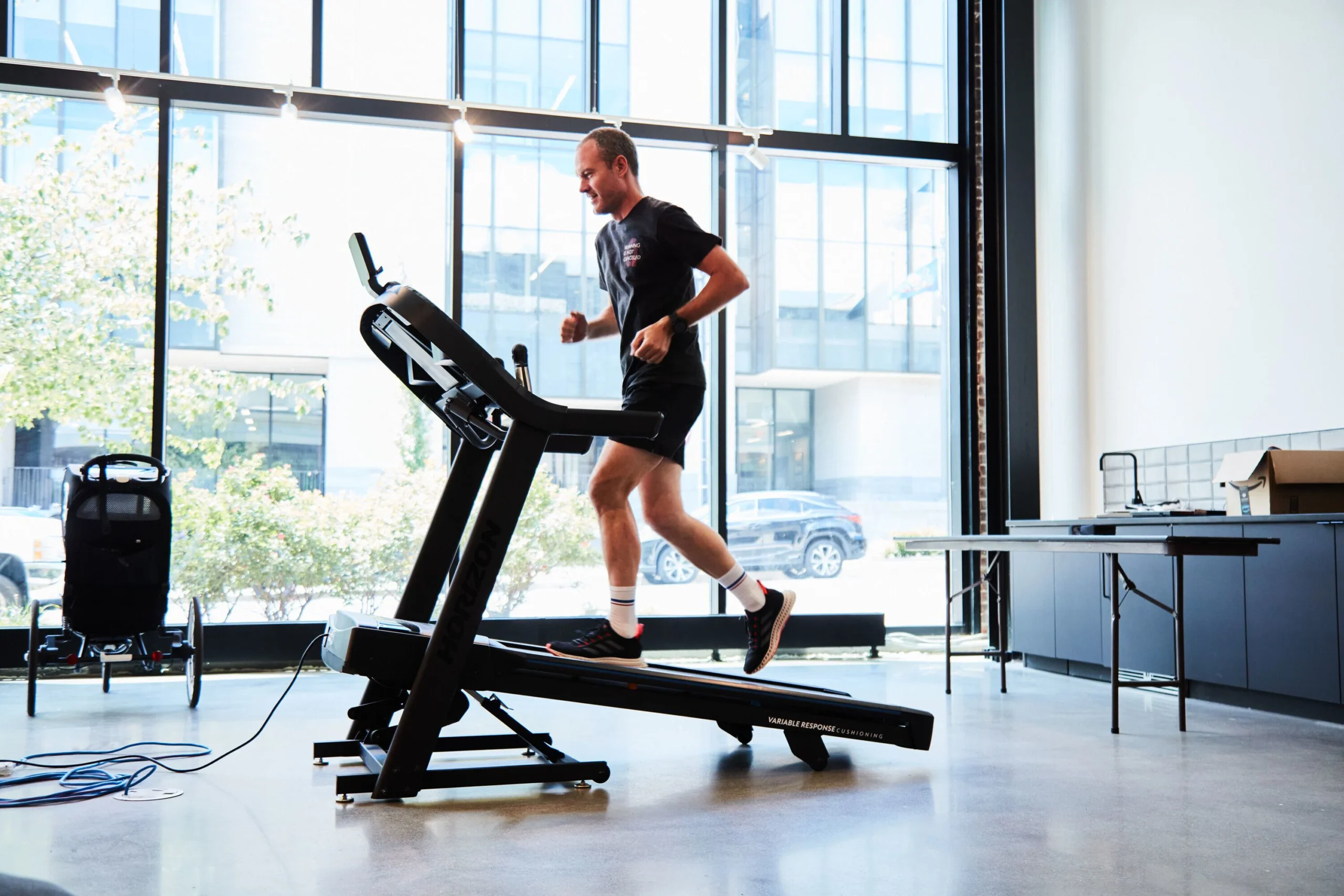
For someone who lifts, the best treadmill slot is often the one least likely to interfere with the next important session. Fifteen to twenty easy minutes after upper-body training usually requires less planning than a long steep interval session immediately before heavy squats. A modest walk after lower-body training may feel fine, but it should not become a hidden calf workout that affects your next deadlift or running day.
Choose the workload for its purpose. An easy recovery walk should finish with relaxed breathing and comfortable legs; a deliberate aerobic session can be longer or moderately harder. If you’re training for hiking, a little grade adds useful specificity, but hills outside include uneven ground, descending and balance demands that a treadmill does not reproduce. If your main sport is running, walking on an incline supplements—not duplicates—the impact and gait practice of running.
The equipment around a treadmill can support the larger training week without being presented as necessary for walking. A jump rope offers a more vigorous conditioning alternative, sleds and kettlebells offer strength-endurance options, headphones can make a long walk less monotonous and a foam roller may feel useful afterward. None is a prerequisite for effective incline walking. A weighted vest can increase demands, but it belongs later, after you have a comfortable unweighted stride and sensible progression.

Equipment Worth Exploring
Explore equipment, accessories and gear from our carefully selected range.

Powerbeats Fit
Secure-fit wireless workout earbuds with active noise cancellation and a charging case.


Pro Sled System
Heavy-duty push-pull training sled for loaded conditioning, speed, and strength work.


VOLTRA
Compact digital cable trainer with smooth, adjustable resistance.

Cast Iron Kettlebells
Textured cast-iron kettlebells for swings, squats, carries, and full-body training.
Use simple stop rules. Reduce the grade if the front of your shin, Achilles tendon or knee becomes increasingly uncomfortable, if you must hang on to remain steady or if your breathing no longer matches the intended intensity. Stop and seek medical advice for chest pain, dizziness or unusual shortness of breath. Ordinary exertion is expected; progressive pain is not a badge of an effective workout.
Finally, judge the plan by repeatability. Being able to walk the same 25 minutes with less strain, maintain an upright stride on a modest hill or add a few minutes without disrupting lifting are real improvements. Those are better milestones than reaching the steepest setting once.

Cardio Shirts & Workout Gear
Cardio and conditioning gym gear for runners, endurance athletes and anyone who earns the sweat.

Shirt – Cardio Is Hardio – & Gymbros T-Shirt
Show some cardio attitude with a playful “Cardio is Hardio” tee.

Anti Walking Walking Club Shirt Gymbro Meme Lifting T-Shirt
Bring “Anti Walking Walking Club” humor to your next gym day.

Cardio Sucks Negative Review 1 Star Hooded Hoodie
Show off your cardio humor in a laid-back “Cardio Sucks” hoodie.


Running Dost Thou Even Trot Medieval Knight Treadmill D Sticker
Give your everyday gear a playful “Running” twist.

Cardio Speed Superhero Gym Funny Treadmill Running Musc Tank Top
Show some personality between sets with “Cardio Speed Superhero”.

Straight Outta Shape – Out Of Shape Meme Decal Water Sticker
Bring “Straight Outta Shape” attitude to your water bottle or laptop.

Skip Cardio Exit Cardio Meme Hooded Hoodie
Keep it laid-back with a little “Skip Cardio” attitude.

Cardio Is Calling You , Meme Top Answer Or Decline? T-Shirt
Make gym days more fun with “Cardio Is Calling You” style.