Advertising disclosure: This page includes affiliate product links that may earn us a commission, as well as products from our own store.
A cable chest fly looks simple: bring two handles together and let them travel back under control. But pulley height, body position and elbow path can change where the movement feels hardest. This guide breaks down high-to-low, shoulder-height and low-to-high flies without pretending any angle completely isolates one part of the chest. You will also get practical setup cues, troubleshooting advice and a six-week plan.
What a cable chest fly trains, and what changing the pulley actually does
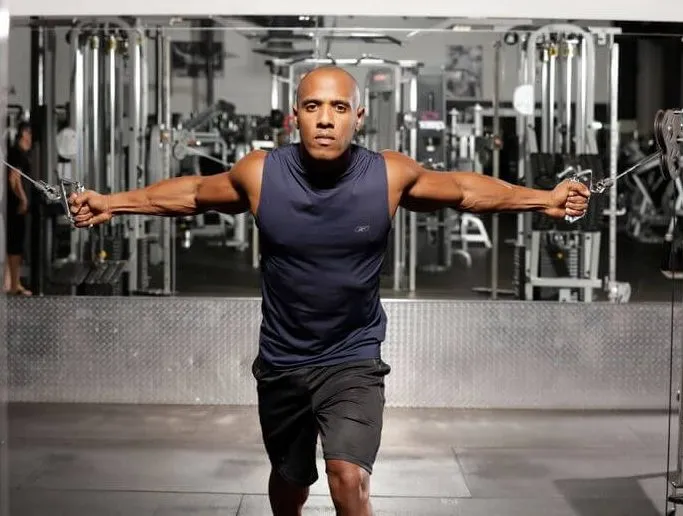
The main job is to move the upper arm across the torso against resistance. The pectoralis major produces much of that shoulder adduction; the front deltoid and other shoulder muscles assist. Your elbows stay slightly bent, but this is not intended to be a triceps exercise. If your elbow angle keeps changing and you push the handles as though performing a press, you have changed the movement and probably the loading.
Unlike a dumbbell fly, in which gravity pulls downward, a cable draws the handle toward its pulley. Changing pulley height therefore changes the direction of the force relative to the moving arm. That makes the machine versatile. It does not guarantee equal resistance across every degree of motion: the effective challenge depends on your arm position, the cable angle and your own joint leverage.
You will hear claims about upper, middle and lower chest isolation. The pec has regions with different fiber orientations, so changing the path can emphasize different contributions, but all three versions still train overlapping chest tissue. Your chest shape is not a map of separate switches you can turn on one at a time. Think of the variations as choices for a comfortable line of pull and slightly different emphasis, not as three entirely different muscles.
First master the shoulder-height cable fly
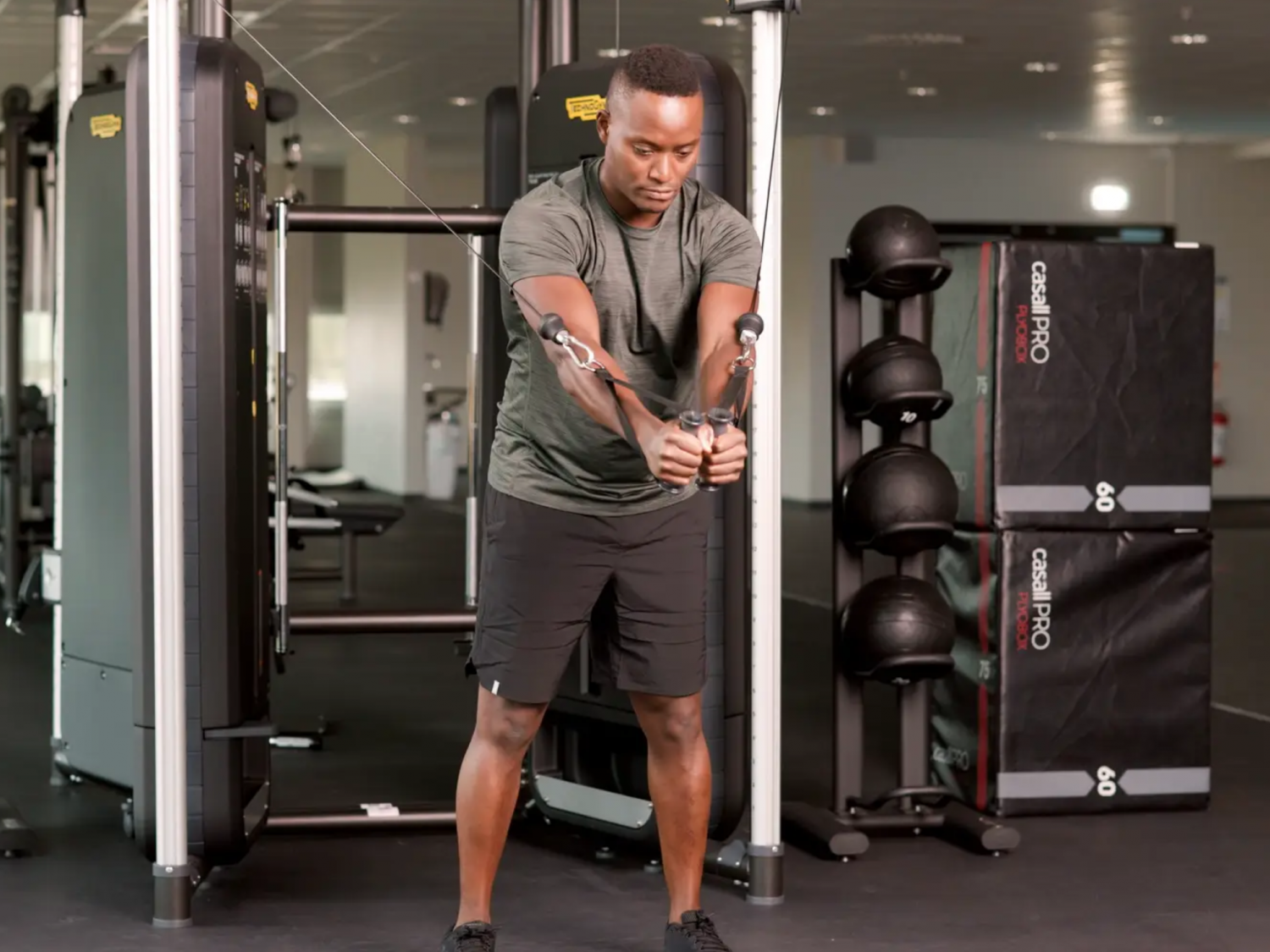
Set both pulleys near shoulder height and choose matching single handles. Stand between the uprights, take one small step forward and stagger your feet if balance improves. Start with hands open to the sides, upper arms roughly aligned with the chest rather than pulled far behind it. Keep a small, comfortable bend in both elbows and brace the abdomen without turning your back into an exaggerated arch.
Imagine drawing your upper arms inward to hug a wide barrel. The hands meet in front of your chest while the elbow angle stays approximately stable. Pause briefly if you can hold the position without shrugging or reaching the shoulders forward. Return in two or three controlled seconds, stopping when the chest feels stretched but before the shoulder is forced into a position you cannot own.
Choose a light enough load that your rib cage, stance and elbow path remain consistent from rep one to rep twelve. The machine should not pull you backward as you open. For your first session, record pulley notches, handle choice, body position, reps and stack setting. Those details are more useful for progress than a vague note saying that a certain weight felt heavy.
- Start: elbows softly bent, trunk stable, hands just behind shoulder line if comfortable.
- Move: sweep inward through the shoulder, not by straightening the elbows.
- Finish: handles meet naturally; there is no need to cross wrists aggressively.
- Return: stay in control and respect pain-free shoulder motion.

Equipment Worth Exploring
Explore equipment, accessories and gear from our carefully selected range.
VOLTRA
Compact digital cable trainer with smooth, adjustable resistance.

Go-Tone Pro
Portable digital cable trainer with up to 66 lb (30 kg) of adjustable resistance.

VForce Wall Trainer
Space-saving wall-mounted functional trainer with pivoting cable arms and variable resistance ratios.

VForce 3IN1
All-in-one rack combining an adjustable Smith machine, functional trainer, and free-weight station.

VForce 2IN1
Half rack and pivot-arm functional trainer with switchable 1:1 and 2:1 pulley ratios.
Horizon Grip
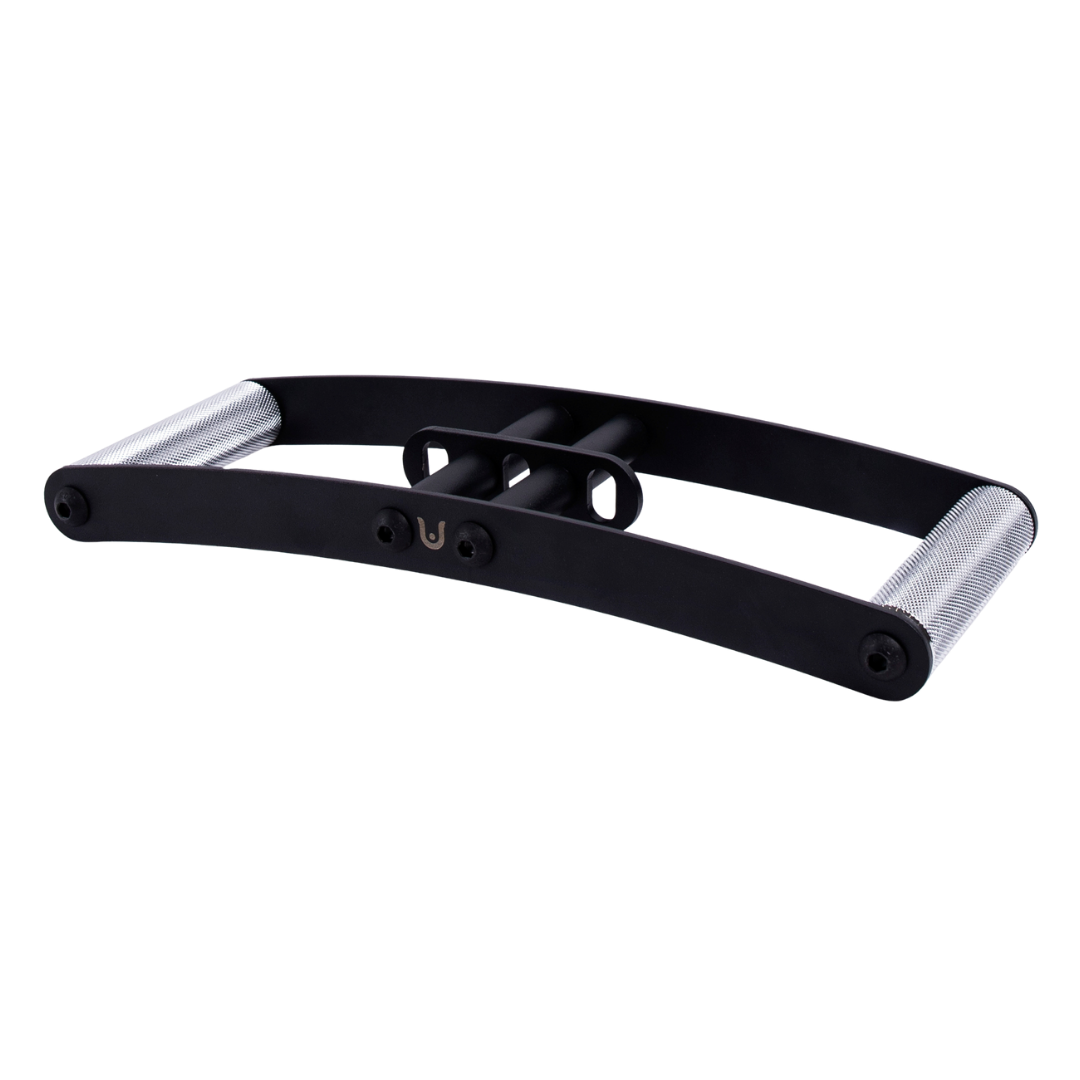
Ergonomic V-style cable grip for rows and back training.

GymPin D Cuffs
Adjustable wrist cuffs with textured grips for supported cable-machine exercises.


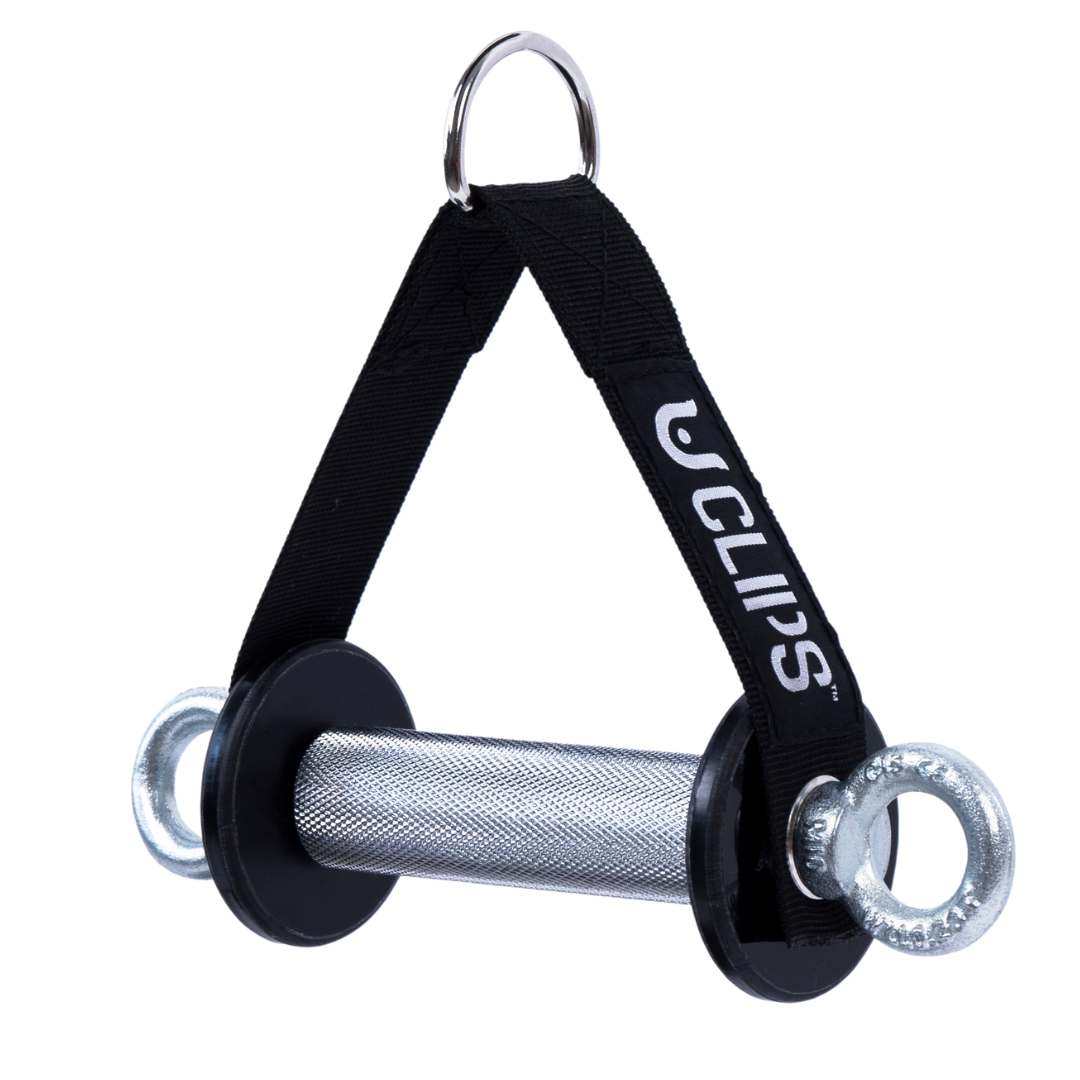
GymPin Ergo Handles
Pair of ergonomic cable handles shaped for comfortable triceps and pulling exercises.
Low-to-high cable fly: the upward path for upper-chest emphasis
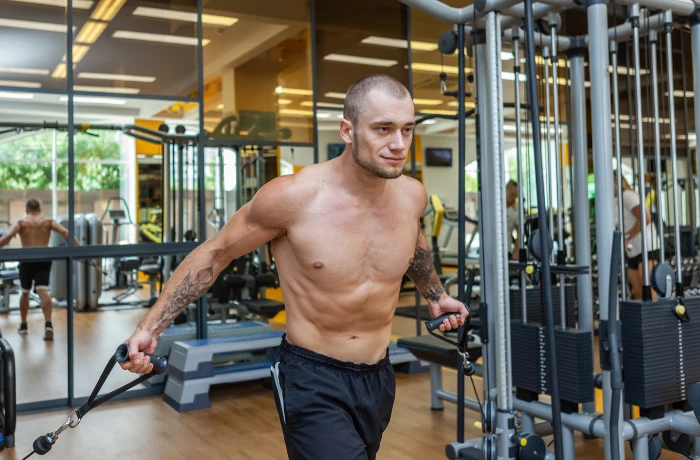
Put both pulleys near the bottom of their tracks. Face away from the stacks and step far enough forward that the cables clear your body. Begin with handles low and slightly outside your hips. Sweep the arms forward and upward toward lower-chest or upper-chest height, depending on the cable geometry and what feels natural. The hands should follow a wide arc rather than turn into a front raise.
An upward line of pull can be a useful way to involve the clavicular region of the chest, but the front deltoids also help. If you immediately feel the shoulders taking over, reduce the weight, keep the hands from rising excessively high and adjust how far you stand ahead of the pulleys. A slightly shorter, repeatable path is better than an exaggerated finish that forces you to shrug or bend your wrists.
Try one moderate set of eight to fifteen repetitions, then judge it against the shoulder-height version. Compare which one permits a stable torso, an understandable chest effort and a smooth return. You do not need to keep every imaginable cable angle in the same workout. One well-executed variation progressed for several weeks usually tells you more than changing the pulley height after every set.

Bodybuilding Shirts & Workout Gear
Bodybuilding shirts, tanks and gym gear for lifters chasing muscle, size, symmetry and the pump.

Dost Thou Even Fly Tee
Make gym days more fun with “Dost Thou Even Fly Medieval Knight Pec Fly” style.

Kanye Chest Bodybuilding Parody | Workout Crewneck Pull T-Shirt
Keep things casual with a little “Kanye Chest Bodybuilding Parody” attitude.

The Chestfather Arnold Meme Big Chest Vest Tank Top
Add some lifting attitude to training with “The Chestfather”.

If You're Reading This Its Chest Day | Drake Album Cove Hoodie
Bring “If You're Reading This Its Chest Day” gym humor to lazy days and post-workout plans.

I Love Bench Press Gym | Funny Heart Plate Muscle Shirt Tank Top
Add some lifting attitude to training with “I Love Bench Press”.


Chest Day Decal Water Bottles & Equipment Meme Sticker
Bring “Chest Day” attitude to your water bottle or laptop.


Shirt – I Want You To Bench Press Uncle Sam T-Shirt
Heavy lifts, good laughs, and a little “I Want You To Bench Press Uncle Sam” energy.

My Bench Press Is Stuck Horror Movie Meme Sweater T-Shirt
Show some gym-day personality with “My Bench Press Is Stuck”.
High-to-low cable fly: downward sweep without excessive leaning
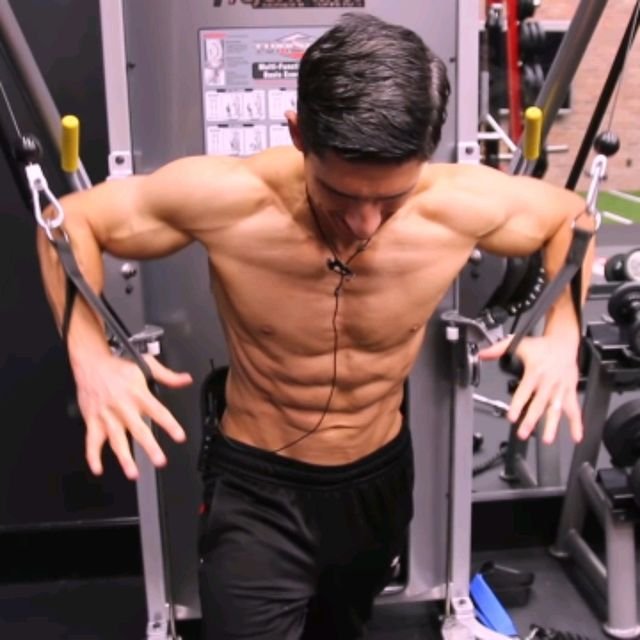
Move the pulleys above the shoulders, take the handles and walk into a stable staggered stance. A slight forward lean can help the handles clear the torso, but do not dive toward the floor or throw your upper body into every repetition. Open the arms to a comfortable stretch, keep the elbows softly bent and draw the hands downward and inward toward the lower chest or upper abdomen.
That diagonal path can shift the exercise emphasis, but it does not carve a separate lower-pec muscle into existence. The aim is an efficient shoulder movement under control. Think about bringing the upper arms toward the centerline rather than trying to push the handles downward with the triceps. Your hands can meet just in front of the torso; forcing them far past each other adds little obvious benefit.
Do not confuse a bigger weight-stack number with better training. As cable height and body angle change, the line of force changes too, making the numbers imperfectly comparable. If the high-to-low version makes you shrug, round forward sharply or lose your footing, step back, reduce the load and shorten the end range. Shoulder comfort and reproducibility beat dramatic-looking reps.
Standing versus seated, incline and single-arm options
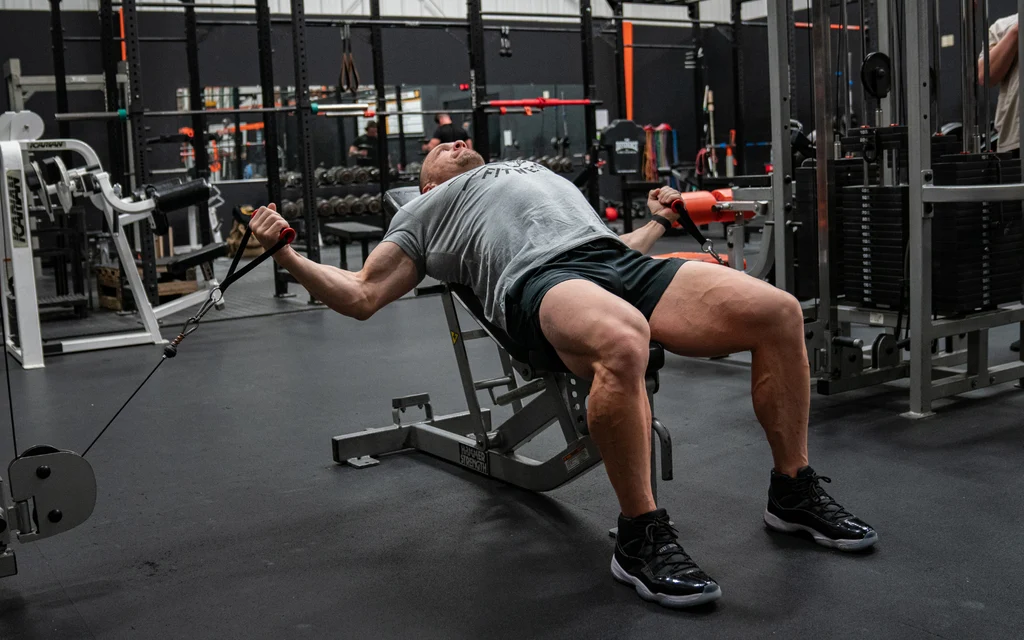
A standing fly lets you adjust your feet and torso freely, which is convenient for most people. A bench between two low pulleys can reduce the balance demand and create a supported incline fly. Position the bench so the cable path clears its frame, set a modest incline, and test the movement with light loads before committing. The handles should still travel through shoulder adduction; avoid turning every rep into a cable press.
A seated machine-supported fly may feel steadier, particularly when you are tired after pressing. But a fixed bench angle is not automatically superior for growth. The equipment has to let your shoulder move comfortably, and the pulleys must align with the intended path. If a bench forces the handles into an awkward trajectory, standing with a lighter load is a sensible alternative.
One-arm cable flies can be useful for learning the path and noticing side-to-side differences. Use the free hand for light support on an upright if needed, resist twisting the entire torso, and work both sides with comparable range and effort. Unilateral training is not a license to rotate explosively through the spine. If you cannot keep your trunk steady, start lighter or return to the bilateral setup.
Equipment Worth Exploring
Explore equipment, accessories and gear from our carefully selected range.

VForce 3IN1 Max
Six-post all-in-one rack with Smith machine, functional trainer, and variable-force cables.
Individual Tricep Ropes
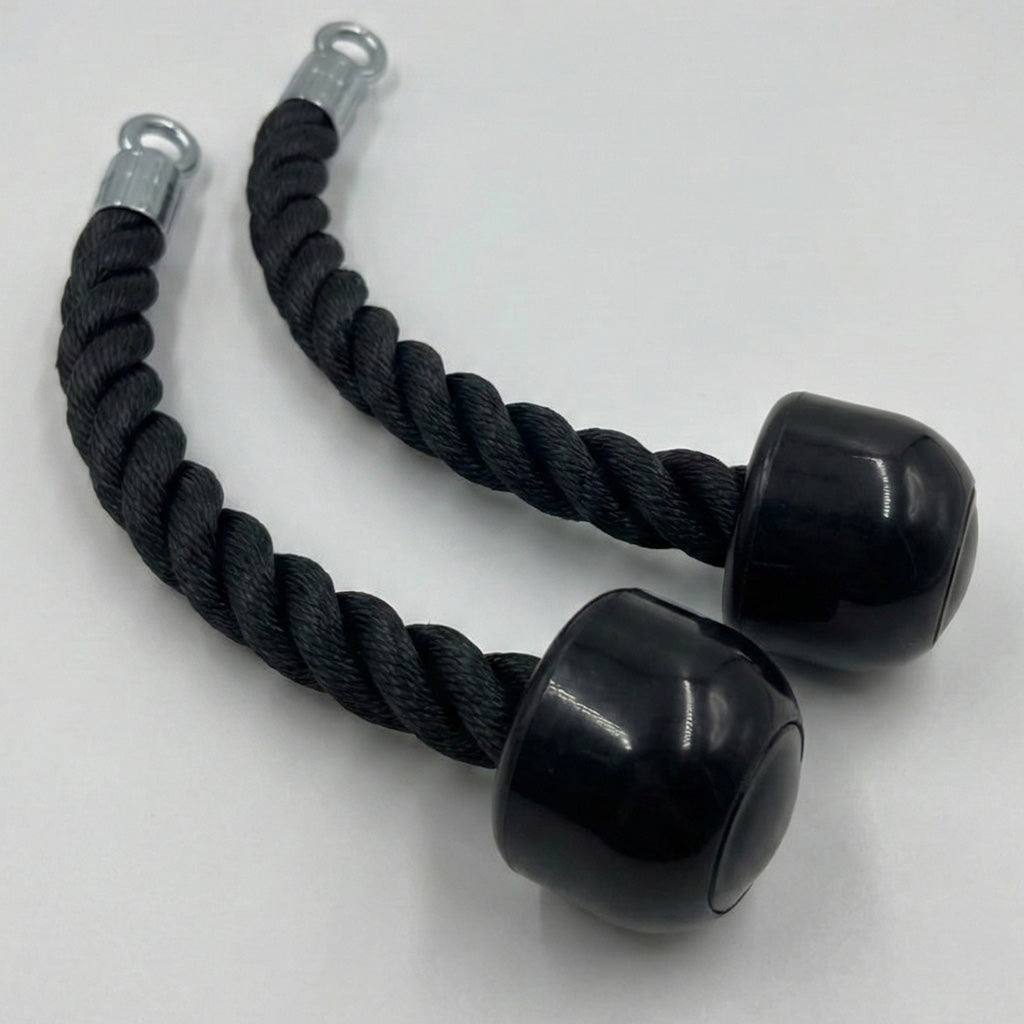
Pair of individual cable ropes for triceps pressdowns and cable hammer curls.

GymPin MiniPin
Compact Olympic-plate loading pin for compatible cable stacks with limited clearance.

Original GymPin
Adds Olympic plates to compatible cable-machine weight stacks for extra resistance.

Rubber Hex Dumbbells
Rubber-coated hex dumbbell pairs with a stable shape for home and commercial strength training.




FID Bench MAX
Adjustable bench offering flat, incline, and decline positions + adjustable headrest.
W Grip
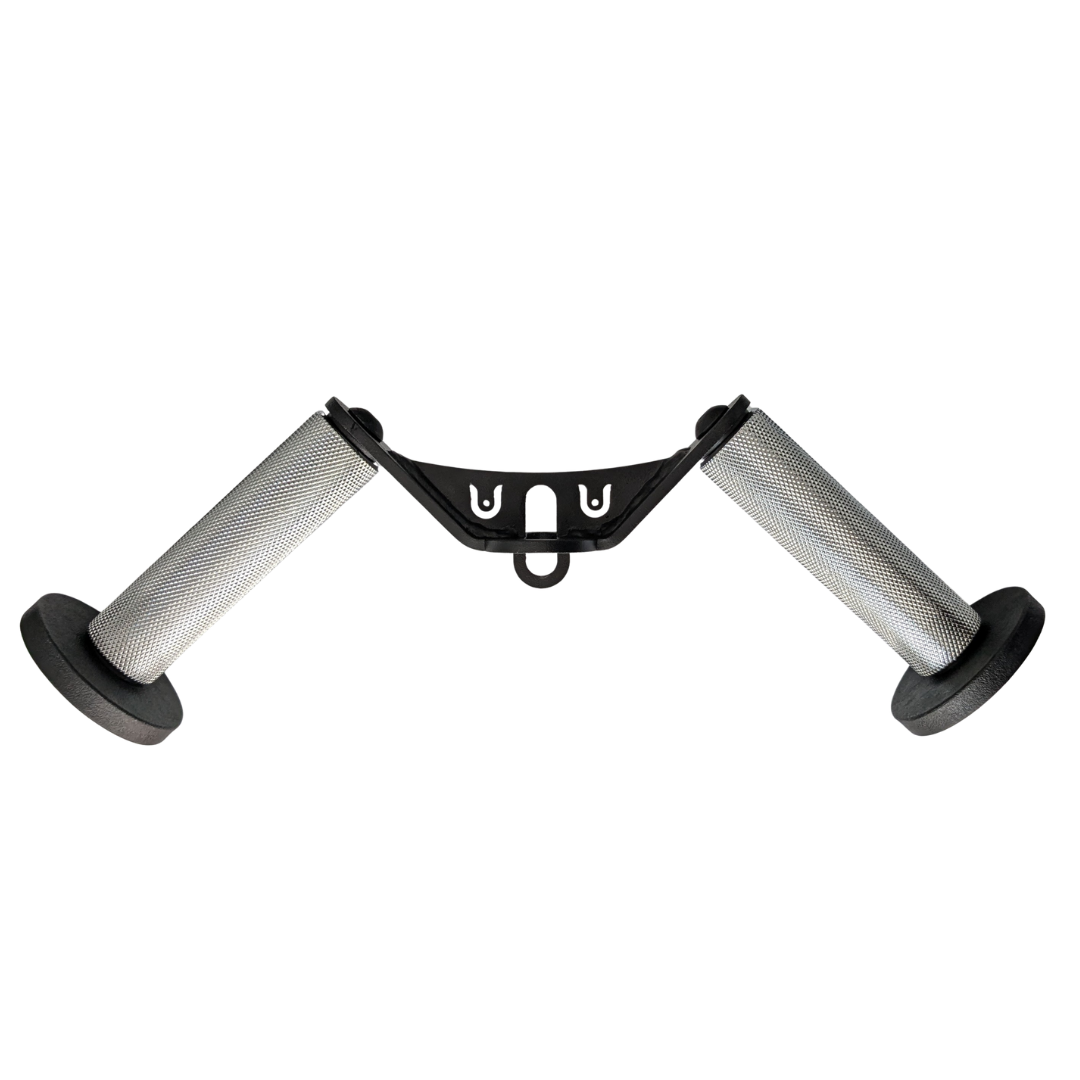
Angled cable grip for comfortable rows, pushdowns, and curls.
Common mistakes, shoulder comfort and sensible loading
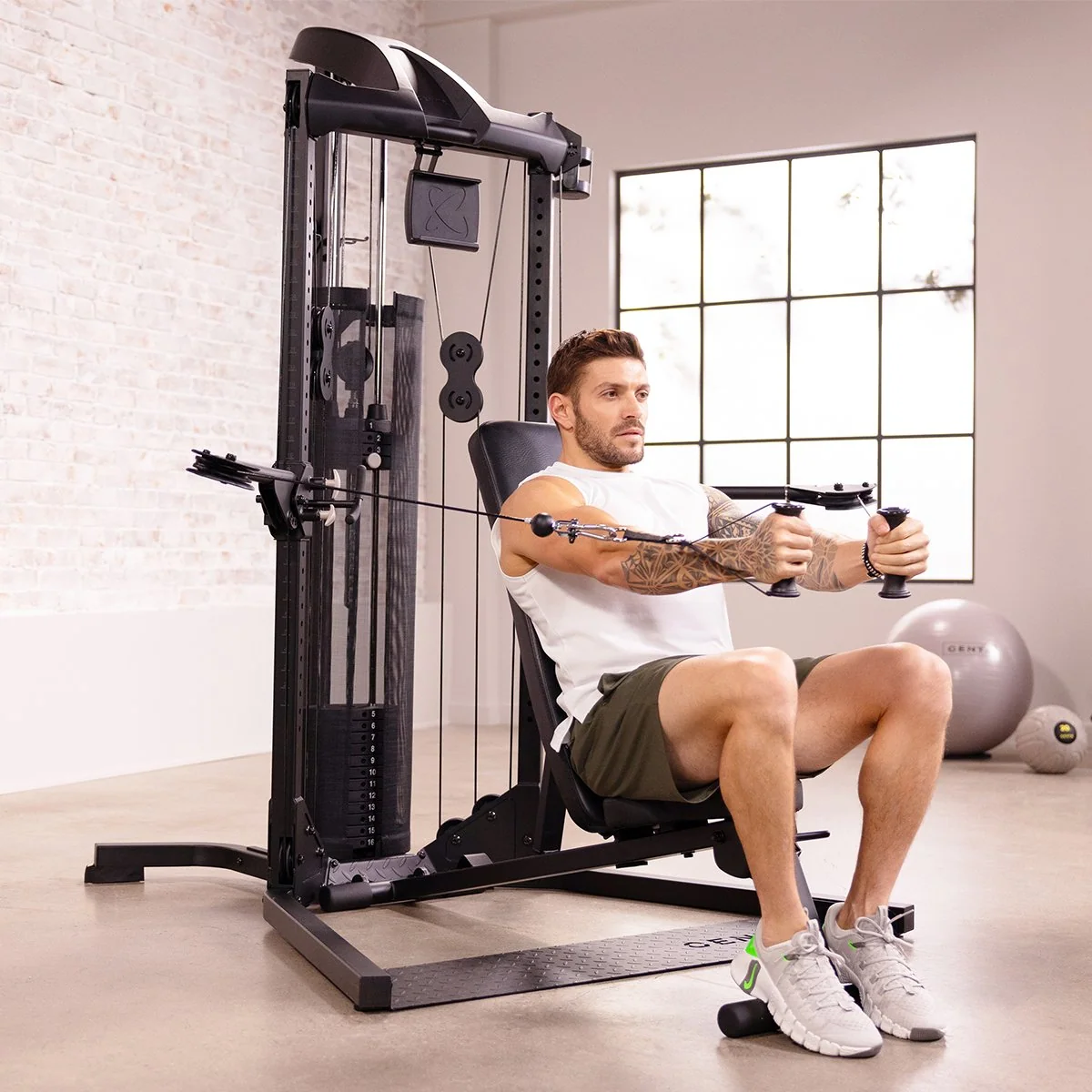
The most common problem is choosing a weight that requires an entirely different movement. Bent elbows straighten, shoulders roll forward, the chest collapses and the torso swings. A fly does not have to be extremely light, but it should look like the same exercise throughout the set. A good test is whether you can pause at the inward position for a moment and open the arms slowly without getting pulled off balance.
Another mistake is stretching deeper solely to chase a sensation. Individuals differ in shoulder structure, mobility and tolerance for loaded horizontal extension. Work into a comfortable stretch without forcing the upper arm far behind the torso. Mild muscular effort and stretch are not the same as sharp joint pain, tingling or persistent instability; stop the movement if those occur and seek an appropriate clinical assessment when symptoms persist.
Do not overcomplicate hand position. Neutral handles usually give you a simple, repeatable start. Let the wrists stay in line with the forearms and allow the scapulae to move naturally instead of pinning them so rigidly that the shoulder feels trapped. Deliberate control is useful; constant full-body stiffness is not required. An exhale during the inward phase may make bracing feel easier, especially when fatigue rises.
- Arms become presses: lower the load and stabilize the elbow bend.
- Stack slams: slow the return and move far enough from the pulleys.
- Shoulder pinches: reduce range, change pulley height or choose a different chest exercise.
- Body rocks: stagger feet, brace gently and stop the set before technique changes.
Funny Gym Shirts & Workout Gear
Funny gym shirts, tanks, hoodies and workout gear for lifters who like training hard.

Gym Sir Swole of Benchalot Medieval Knight Chest Day Cr T-Shirt
Show some gym-day personality with “Sir Swole of Benchalot Medieval Knight”.

Six Plates Bench Club Meme Shirt – Chest Day T-Shirt
Heavy lifts, good laughs, and a little “Six Plates Bench Club” energy.


Bench Press and Chill Funny Gym T
Make gym days more fun with “Bench Press and Chill” style.

Chest Day Sweater Bench Press & Meme T-Shirt
Add a playful “Chest Day” touch to your casual rotation.

I Want You To Bench Press Uncle Sam – 4th of July Patri Tank Top
Train hard, laugh a little, and rep “I Want You To Bench Press Uncle Sam”.

I Love Bench Press Gym | Heart Plate Chest Day Funny Wo T-Shirt
For laid-back days and powerlifting humor: “I Love Bench Press”.

2 Plates Bench Club & Chest Day Top T-Shirt
Rep “2 Plates Bench Club” humor in and out of the gym.

Kanye Chest Gym | Funny Bodybuilding Vest | Chest Day W Tank Top
Train hard, laugh a little, and rep “Kanye Chest”.

Gym Dost Thou Even Fly Medieval Knight Pec Fly for Body Hoodie
Show off your medieval humor in a laid-back “Dost Thou Even Fly Medieval Knight Pec Fly” hoodie.
A six-week cable-fly plan that complements your chest presses
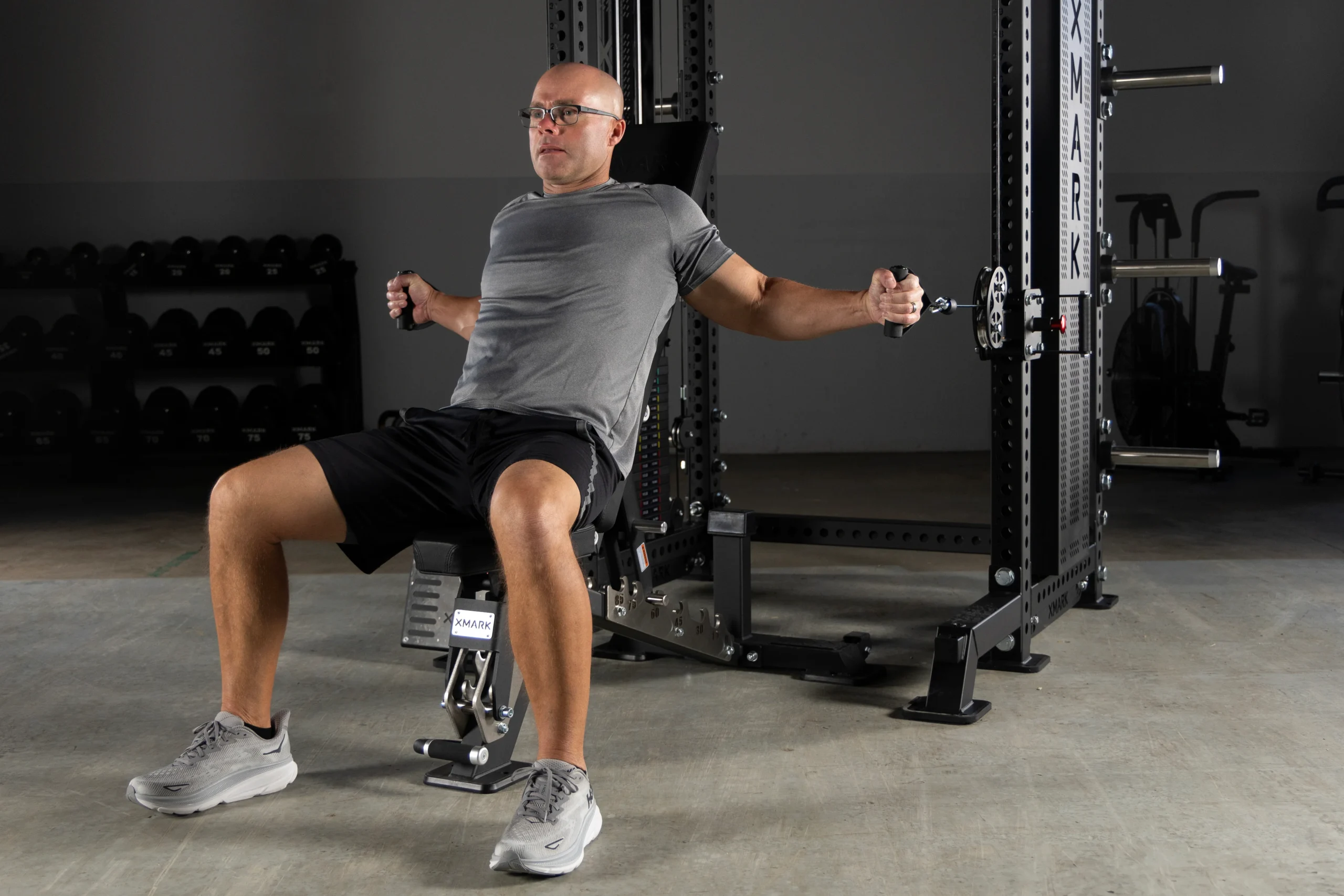
Start with a version you can repeat comfortably. Cable flies are usually easier to progress as accessory work after a compound press, because balance and shoulder control matter more than a maximal stack number. If you already bench, incline press or use a chest press machine, count that work when deciding how much additional chest volume you need. More sets are not automatically productive when quality and recovery fall.
Weeks 1–2: do two sets of ten to fifteen shoulder-height flies twice per week, leaving about two or three good repetitions in reserve. Keep the same handle path and record total reps. Weeks 3–4: continue two sets per session, adding a third set on one day only if recovery is good; optionally substitute low-to-high on the second day while retaining the same exercise every week. Weeks 5–6: maintain two or three sets per session and aim to improve total clean reps or add a small load increment once both sets reach the top of the range.
For example, a lifter who begins with 12 and 10 clean reps at a selected stack setting might progress toward 15 and 15 over multiple sessions. Only then is a small increase sensible, even if the next workout drops back to 11 and 10. Use rest periods long enough to restore control—often around 60 to 120 seconds for this accessory movement—and avoid deliberately pushing into shoulder pain to finish a target number.
Your default is not to perform high-to-low, low-to-high and straight flies on every push day. One angle done well is a legitimate exercise. If you want variety, use one at the start of the training block and a different one on the second weekly chest session. Review the trend after six weeks: are reps improving at comparable technique, are shoulders comfortable and are the main presses still progressing? If yes, your cable fly is doing its job.
Bottom line: pulley height changes the direction of resistance, not the basic identity of the chest muscle. Choose a repeatable arc, keep a soft elbow bend, respect shoulder comfort and earn progress with controlled repetitions.