Advertising disclosure: This page includes affiliate product links that may earn us a commission, as well as products from our own store.
A stalled bench press and undersized upper arms can look like two different problems. Sometimes they share an overlooked training gap: the triceps have not been given a clear progression of their own. Throwing random pushdowns onto the end of a chest workout is easy. Building stronger elbow extension, useful pressing lockout and fuller upper arms without irritated elbows requires a little more structure.
The solution is not to collect every exotic triceps exercise or chase soreness. It is to combine an appropriately loaded press with focused elbow-extension work, choose at least one movement that challenges the muscle with the upper arm overhead, and account for the triceps work already hidden inside your normal push sessions.
Below is a practical, equipment-flexible guide with execution cues, workload decisions and a two-day template. You can apply it in a commercial gym or with a bench, dumbbells and cable attachment. None of the prescriptions promises a specific amount of growth: they are adjustable starting points you should refine using your own performance and recovery.
Know the three heads before choosing three random exercises
The triceps brachii sits on the back of the upper arm. Its three heads are commonly called the long, lateral and medial heads. All three contribute to straightening the elbow, which is why they are active during pushdowns, close-grip presses, push-ups and overhead extensions. The long head is different in one useful way: it also crosses the shoulder joint, so the position of your upper arm changes its length.
That anatomy explains why the word triceps alone is not a complete programming strategy. Pressing strengthens elbow extension under considerable load, but your chest and shoulders contribute too. Cable or dumbbell extensions make it easier to challenge the elbow extensors directly when the rest of your pressing musculature is already tired. An overhead variation can put the long head in a more lengthened position than a pushdown with the elbows beside the torso.
There is no dial that switches the lateral head on while turning the other two off. Grip width, arm position, resistance curve and technique can change the relative challenge, but the heads work together. You are better served by choosing a repeatable mix of movements and progressing them than by memorizing a supposed secret move for each individual head.
Practical checkpoint: can you explain what each exercise adds to your current routine? If you already bench and overhead press heavily, your additional triceps work should fill a gap rather than reproduce the same pressing stress for three more exercises. A cable movement, for example, may add useful elbow-extension volume with less whole-body setup and fatigue.
Use a close-grip press to build force through lockout
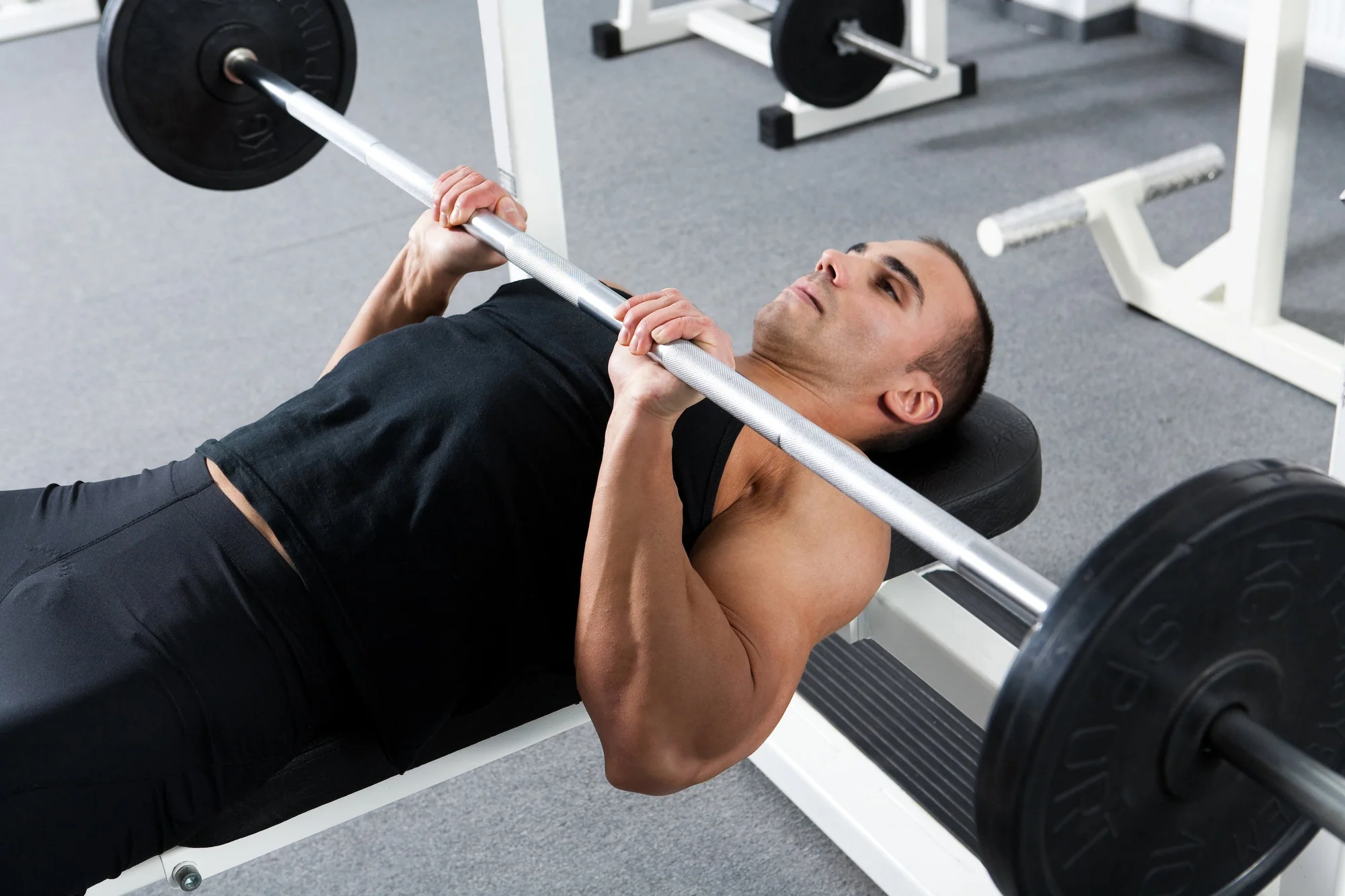
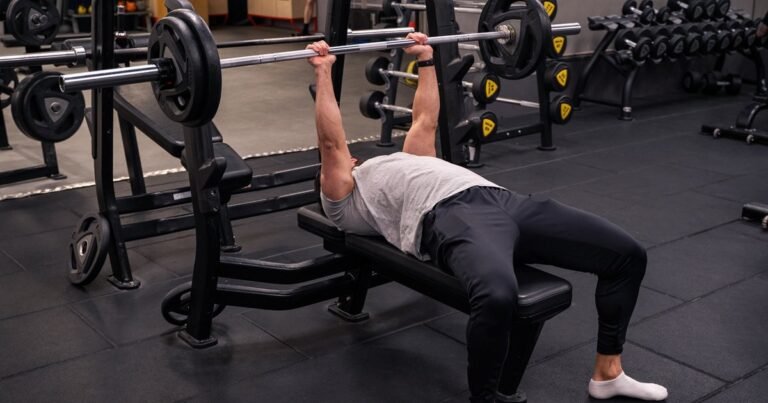
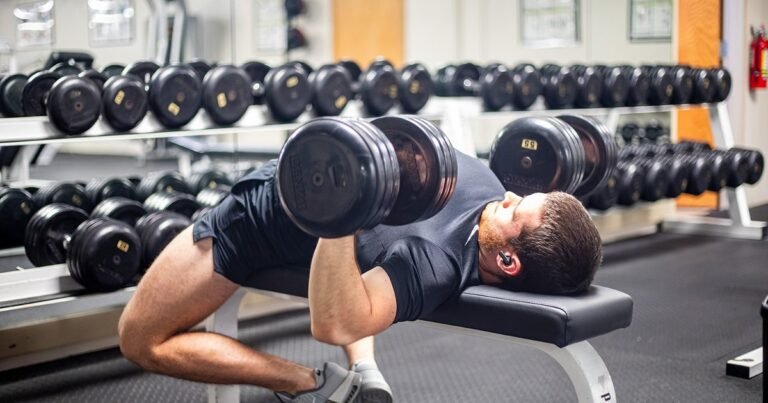
For strength, start with one stable compound press. A close-grip bench press, floor press or controlled dip lets you train elbow extension against a meaningful load while retaining help from the pecs and anterior deltoids. It is not a pure triceps isolation lift, and that is the point: you are practicing strength that can transfer into pressing tasks.
A close grip does not mean placing both hands nearly together. Start around shoulder width, adjust until wrists stack naturally over forearms, and lower the bar to a repeatable touch point. Keep your shoulder blades supported, feet planted and elbows moving in a track you can control. The bar should not be driven toward the face to manufacture a shorter motion. A grip so narrow that your wrists fold backward usually gives up more than it gains.
Use two or three challenging working sets of roughly five to eight reps, with enough rest to preserve the speed and path of each repetition. Stop when technique deteriorates or you are about one to three reps from failure. Track load, reps and perceived effort. For a lifter already doing a hard bench session, the close-grip press may replace a secondary chest press rather than simply adding another heavy movement.
Floor presses are a useful option when you prefer a shorter, repeatable pressing range or have no suitable bench. The floor limits how far the elbows travel behind the torso. Dips are another option if you have a stable station and your shoulders tolerate the motion, but they can be demanding through deep shoulder extension; there is no need to force a painful depth merely because another lifter does it.
Programming test: if your heavy triceps press is getting stronger but your regular bench still stalls, look beyond the elbow. Setup, chest strength, shoulder contribution, bar path and fatigue can all limit a lift. Lockout weakness is not proof of a single isolated muscle problem, and improving triceps strength will not automatically correct technical mistakes.

Equipment Worth Exploring
Explore equipment, accessories and gear from our carefully selected range.


Power Tower
Freestanding pull-up and dip station with adjustable handles for bodyweight training.

EZ Curl Barbell
Olympic EZ curl bar with angled grips for curls and triceps exercises.

Rubber Hex Dumbbells
Rubber-coated hex dumbbell pairs with a stable shape for home and commercial strength training.


VForce Wall Trainer
Space-saving wall-mounted functional trainer with pivoting cable arms and variable resistance ratios.

VForce 2IN1
Half rack and pivot-arm functional trainer with switchable 1:1 and 2:1 pulley ratios.
VOLTRA
Compact digital cable trainer with smooth, adjustable resistance.

Long Tricep ERGO Ropes
Extended triceps ropes with ergonomic grips for cable pressdowns and overhead extensions.
Add an overhead extension for lengthened-position work
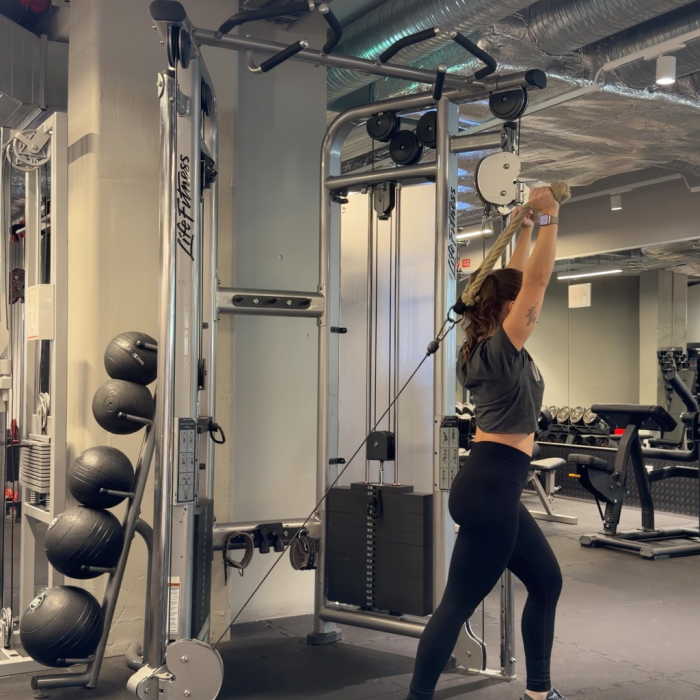
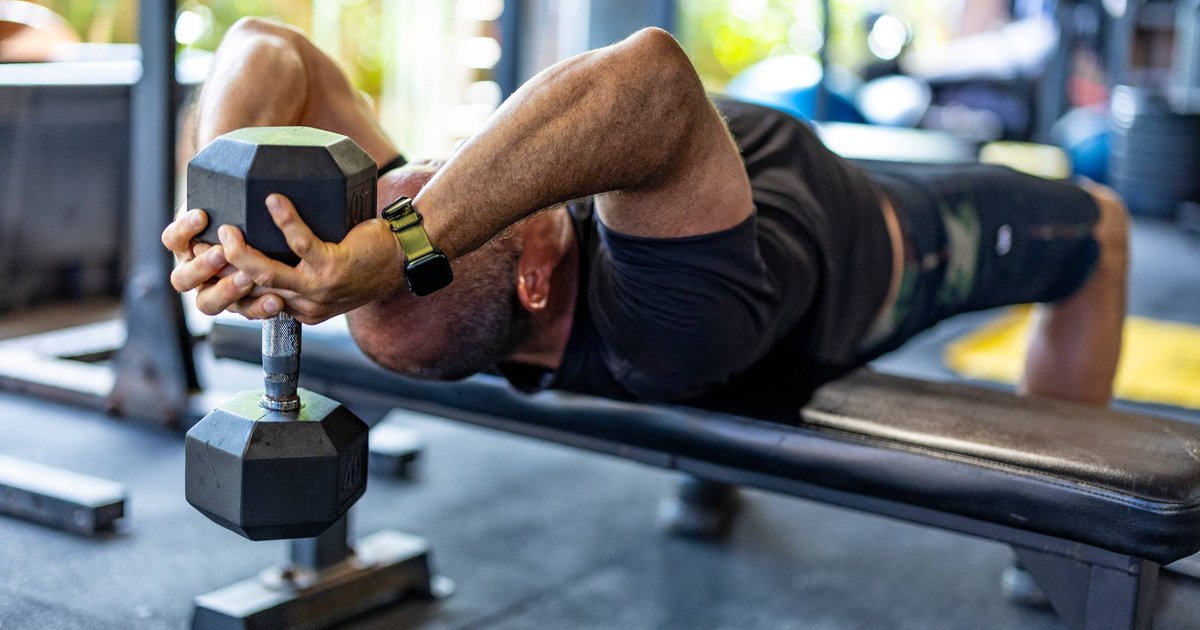
Overhead elbow extensions offer a different stimulus. With the upper arm elevated, the triceps long head begins at a longer muscle length. A controlled trial in adults found greater triceps muscle-volume increases from overhead cable extensions than from the same general elbow-extension task with arms alongside the body. That is a useful reason to include an overhead option, not a guarantee that every overhead exercise will outperform every pushdown for everyone.
Set a cable around low-to-mid height, take a staggered stance and let your upper arms point comfortably above or slightly forward of your head. Bend the elbows smoothly until you feel a manageable stretch behind the upper arm, then straighten them without slinging the shoulders or throwing the rib cage upward. Keep the neck relaxed and avoid turning the movement into an unstable full-body press.
Rope attachments allow each hand to find a comfortable path. A single handle can work well if your shoulders or elbows prefer independent movement. A dumbbell held with both hands or one hand provides an alternative where cables are not available, although the resistance changes more with arm angle. Choose the variation that feels stable and lets you repeat the same range from set to set.
Start with two or three sets of eight to fifteen controlled reps. Use a steady lowering phase rather than intentionally bouncing out of the stretched position. Do not chase maximal shoulder flexion if it causes pinching or makes the back arch severely. The goal is repeatable elbow extension under useful tension, not a dramatic pose for the camera.
One study and one exercise position cannot settle every question about optimal arm hypertrophy. Responses vary with load, adherence, total volume and individual joint comfort. Keep overhead work if it produces good training with sensible recovery. If it is persistently uncomfortable, use a single-arm or cross-body cable extension instead; consistency matters more than defending one exercise at all costs.
Make pushdowns a measurable exercise, not a sloppy finisher
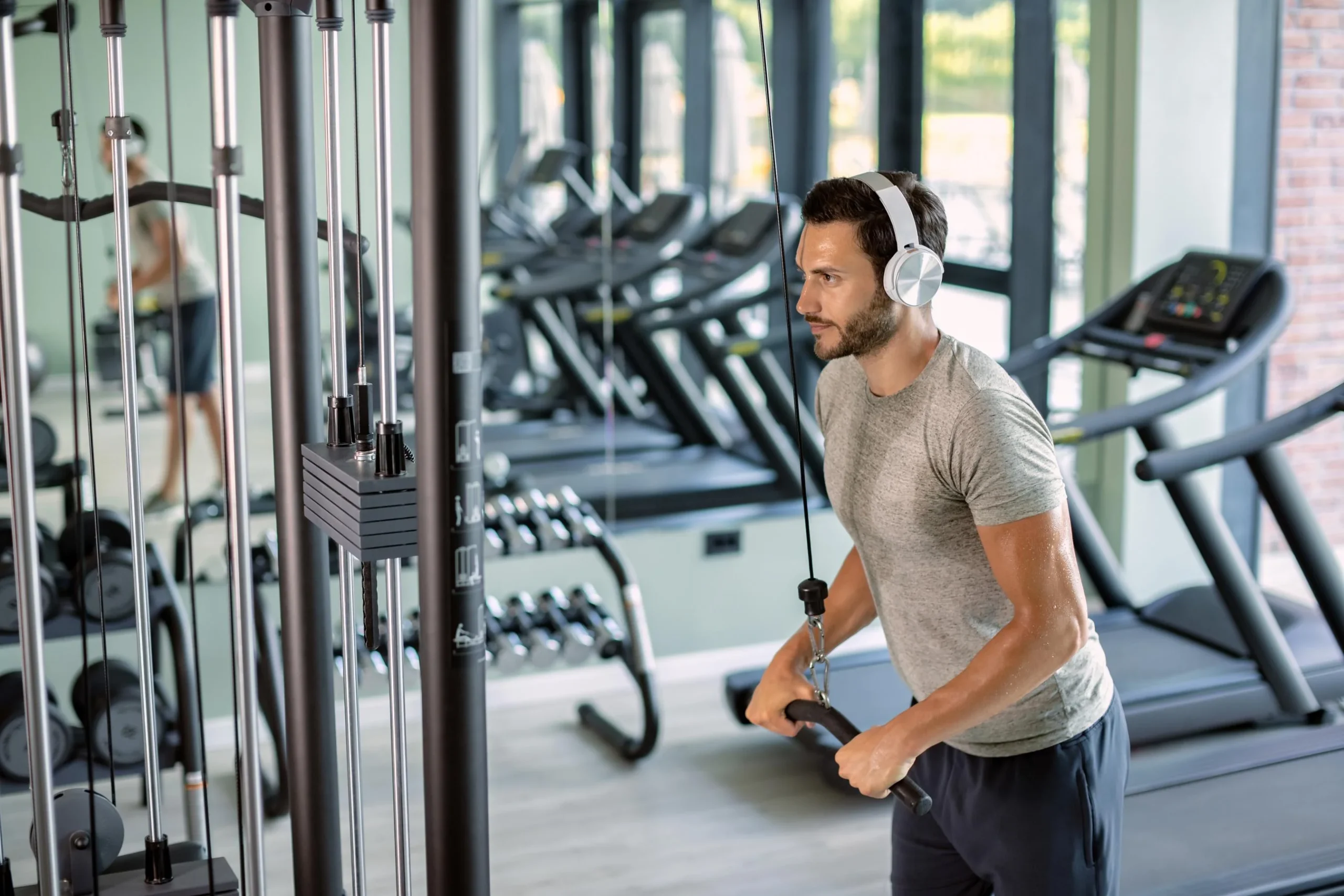
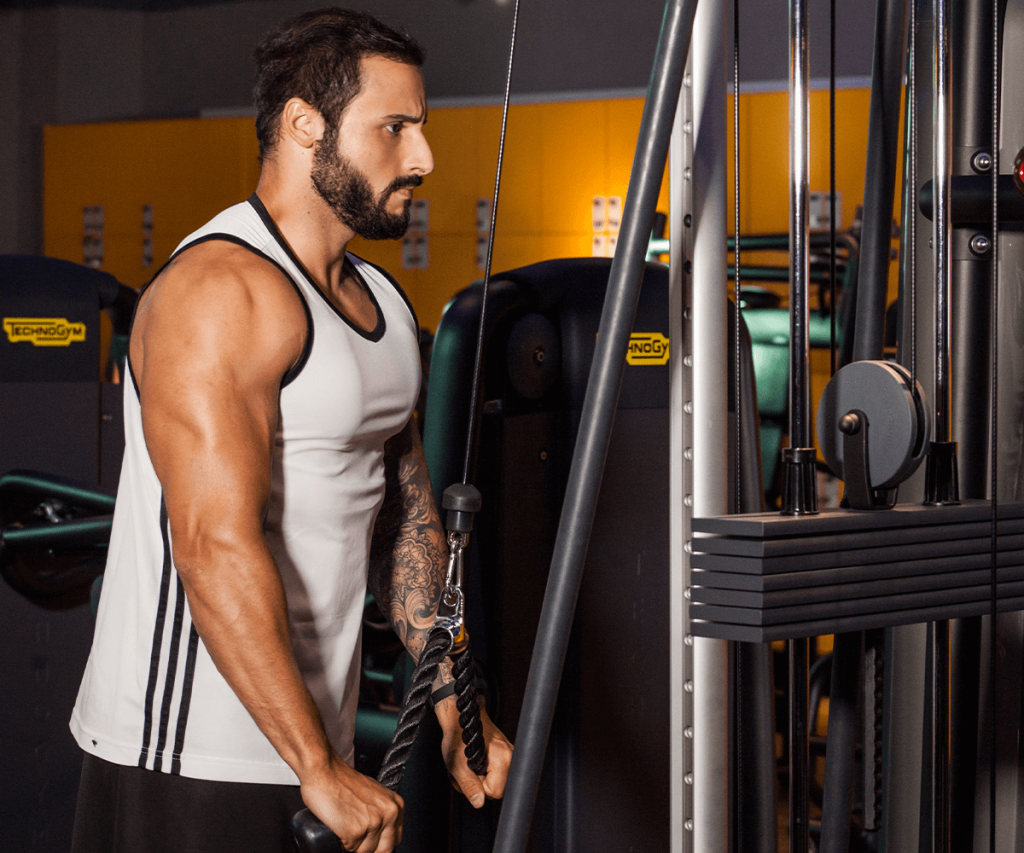
The cable pushdown is valuable precisely because it is straightforward. It can deliver additional direct triceps work without another loaded barbell setup. Rope, straight-bar and angled-handle options are not a hierarchy of magic attachments; the most productive one is usually the grip that allows a comfortable wrist position, a stable elbow path and repeatable extension.
Stand close enough to the pulley that you can maintain tension without bending your whole torso into a rowing motion. Keep the shoulders mostly quiet, upper arms near your sides and wrists in line with the forearms. Straighten the elbows under control, pause very briefly, and let them flex again without allowing the weight stack to slam. With a rope, a small comfortable separation of the ends is fine; swinging them far apart should not become a substitute for extension.
Pick a load that makes the last three repetitions challenging while you can still keep the chest and upper arms steady. Sets of ten to twenty are practical. If you can perform fifteen clean reps with the target effort and the same range twice in a row, increase the stack by its smallest sensible step next session. If the next pin causes you to cheat, add reps or slow the eccentric before loading again.
Pushdowns and overhead extensions are complementary rather than rivals. The same weekly plan can use a pushdown on one day and an overhead extension on another, or both at lower volumes after a press. If your elbows get cranky from a bar, try independent handles or a rope and reduce the total hard sets before assuming all extension exercises are unsafe.
Do not confuse the burn with progress. A huge pump does not tell you whether your load, reps or movement quality improved compared with last month. Log the handle, stack setting, range and rep target. That record is especially important on cable machines, where pulley ratio and friction can make displayed weights incomparable across different equipment.

Bodybuilding Shirts & Workout Gear
Bodybuilding shirts, tanks and gym gear for lifters chasing muscle, size, symmetry and the pump.

Gym If You're Reading This It's Arm Day Drake Parody & Hoodie
Bring “If You're Reading This It's Arm Day Drake” gym humor to lazy days and post-workout plans.


Funny Biceps of the Caribbean Gym | Pirate Sleeves Work Hoodie
Make your off-duty look more fun with “Biceps of the Caribbean”.

The Real Rocky Mountains – Bicep Mountain Meme Vest Mus Tank Top
Train hard, laugh a little, and rep “The Real Rocky Mountains”.

Swole Heart I Love Gym Funny Workout | Bicep Heart Vale T-Shirt
Keep things casual with a little “Swole Heart I Love Gym” attitude.

Every Day Is Arm Day
Make gym days more fun with “Every Day is Arm Day Octopus Gym Meme” style.

Welcome To The Gun Show Dwight Schrute The Office Hoodie
Make your off-duty look more fun with “Welcome to the Gun Show”.

GymTok – TikTok Parody Bicep for Gymbro Content Creator Hoodie
Show off your bodybuilding humor in a laid-back “GymTok” hoodie.

Gym Dost Thou Even Curl Medieval Knight Arm Day Crewnec T-Shirt
Show some gym-day personality with “Dost Thou Even Curl Medieval Knight Arm Day”.
Decide where skull crushers, dips and push-ups belong
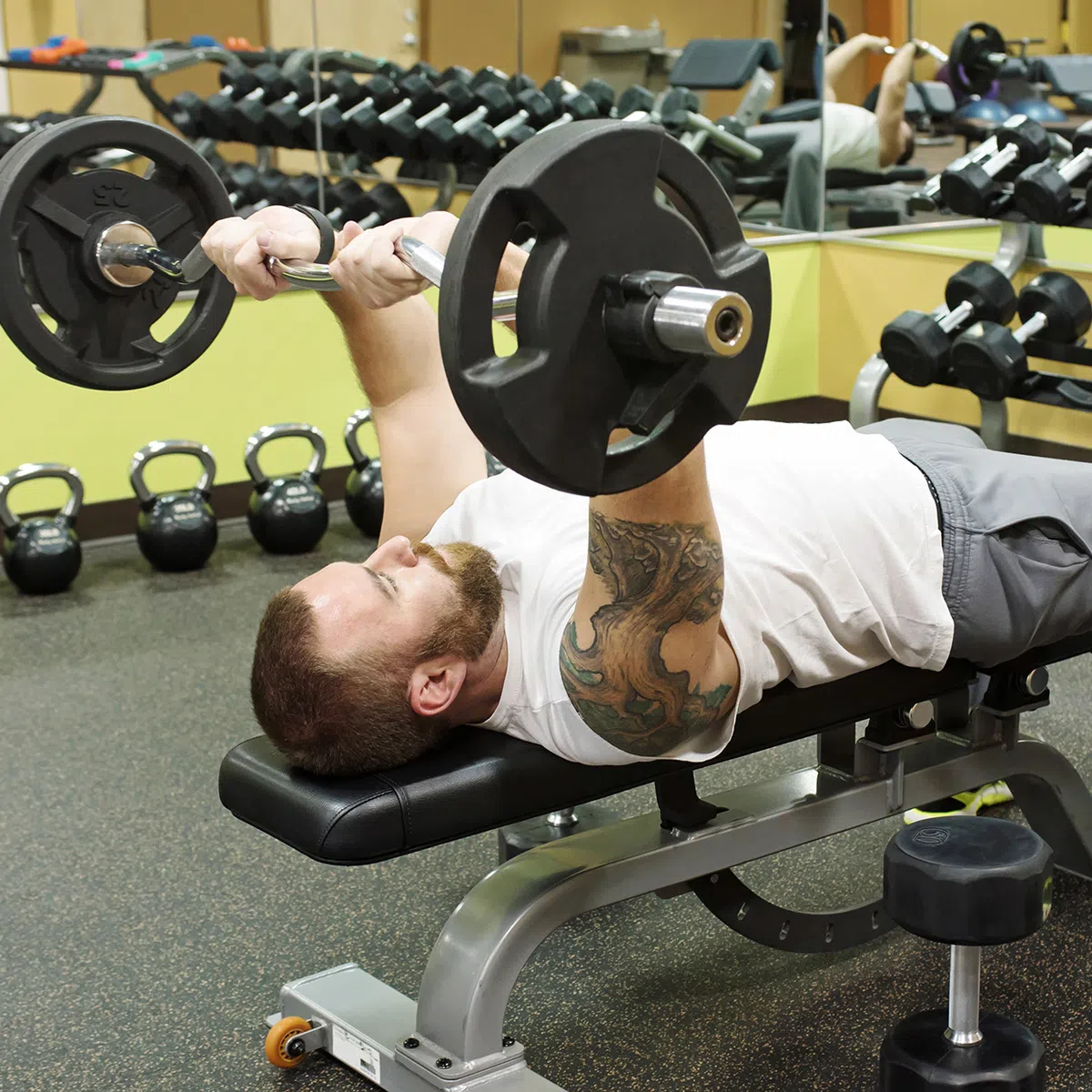
Skull crushers, lying extensions, dips and close-hand push-ups can all earn a place, but you do not need them all in the same session. Lying extensions offer substantial elbow flexion with the upper arm angled above the torso. The actual loading depends on the bar or dumbbells and where you keep the elbows during the descent. Let the movement feel like a smooth extension rather than a race to touch the forehead.
An EZ bar can be more comfortable than a straight bar for some wrists. Lower it under control toward a point slightly behind the head when your equipment and range allow it, and avoid snapping the elbow into a painful lockout. Start lighter than your pressing ego wants, because lying extensions can become unpleasant quickly when technique breaks down. They are an optional accessory, not an essential test of seriousness.
Dips can load the triceps effectively, but their demand on the shoulders rises with depth, body position and load. A sturdy parallel-bar station and a repeatable range are more important than chasing a deep stretch. If dips bother your shoulders, switch to close-grip push-ups or a pressing pattern with a more comfortable bottom position. Bench dips are not mandatory; placing the shoulders far behind the body is often a poor trade for someone who cannot tolerate that position.
Triangle or close-hand push-ups make a practical low-equipment finisher. Move the hands only as close as comfort allows, keep the body rigid and progress by adding clean reps, elevating the feet or using a modest external load if appropriate. Strong muscle activation during one session is not itself proof of greater long-term muscle growth; real progress still needs sufficient hard training over time.
Choose one accessory based on what you need that week. If your main press was already taxing, two controlled sets of push-ups may be enough. If you skipped pressing, a few more sets of dips or a floor press could be reasonable. Treat elbow tenderness or lingering loss of performance as feedback to reduce or replace work, not an invitation to add three new variations.
Equipment Worth Exploring
Explore equipment, accessories and gear from our carefully selected range.
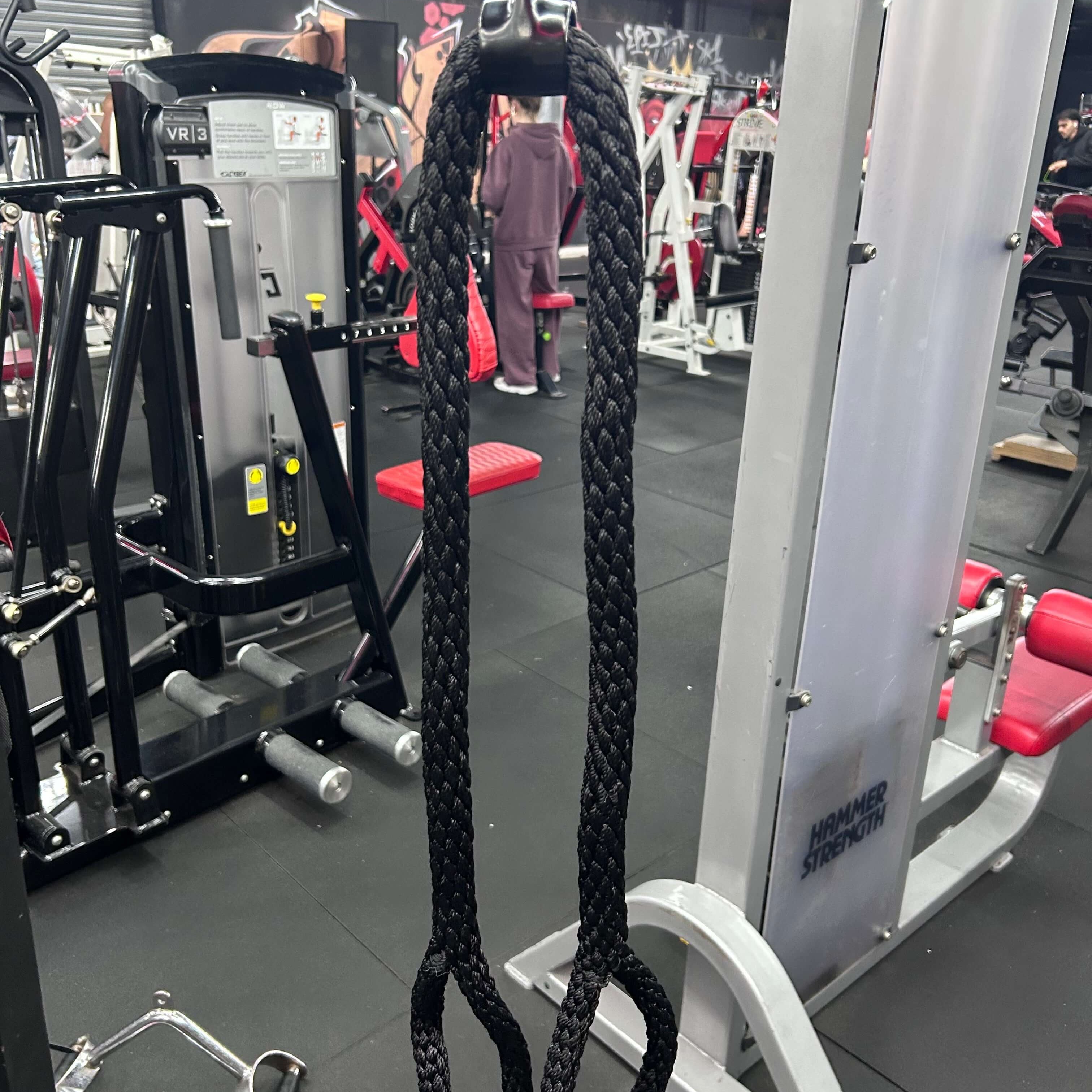
Super Long Tricep Rope
Extra-long looped cable rope for triceps pressdowns and overhead extensions.
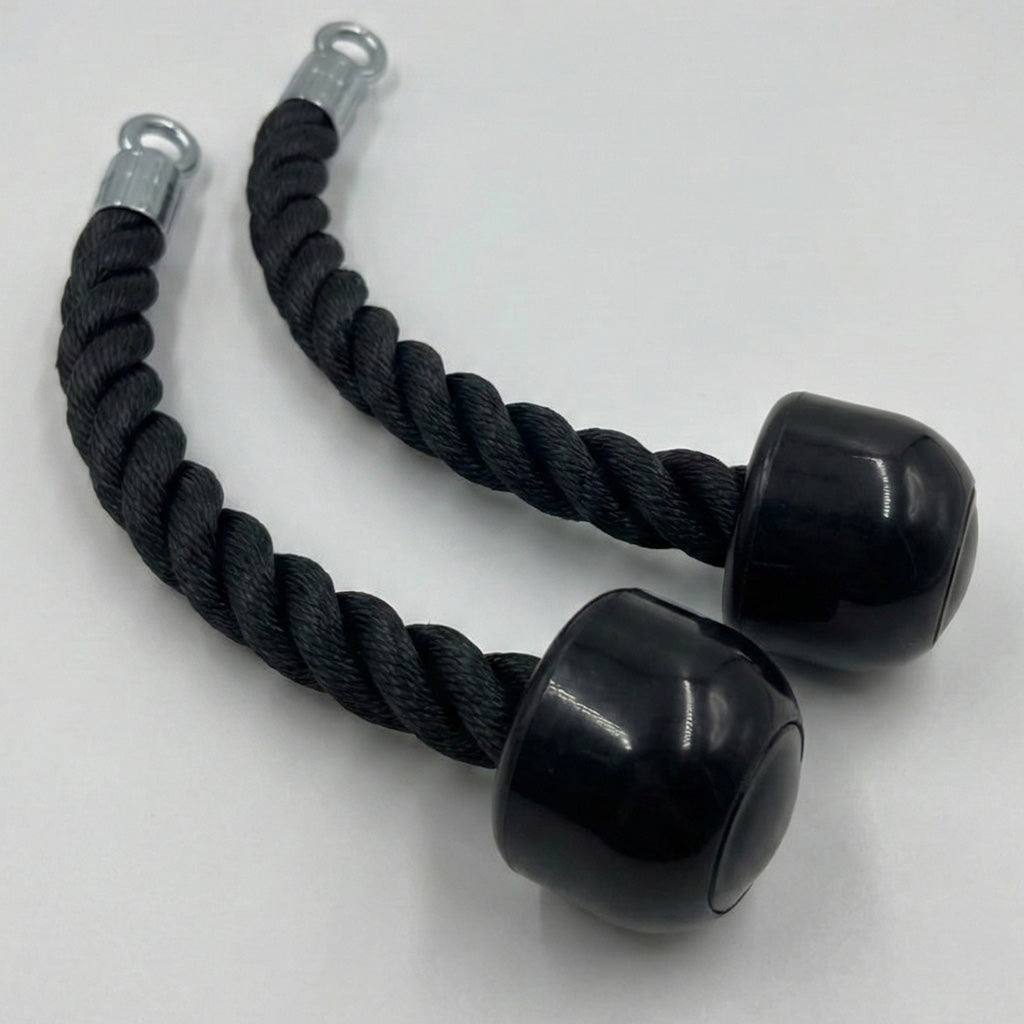
Individual Tricep Ropes
Pair of individual cable ropes for triceps pressdowns and cable hammer curls.
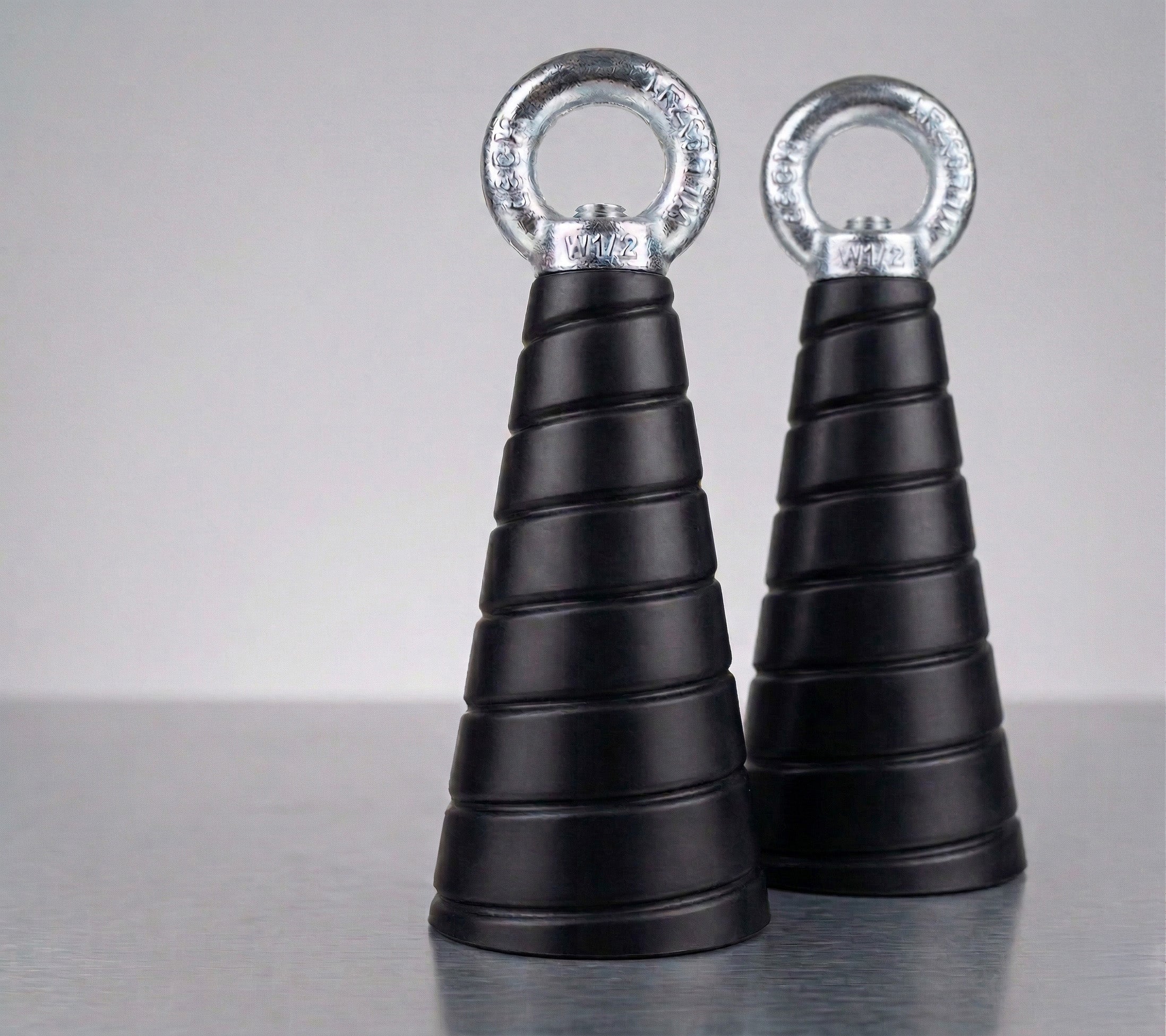
Tapered Tricep Cone
Tapered rubber cable grip for triceps extensions, face pulls and hammer curls.
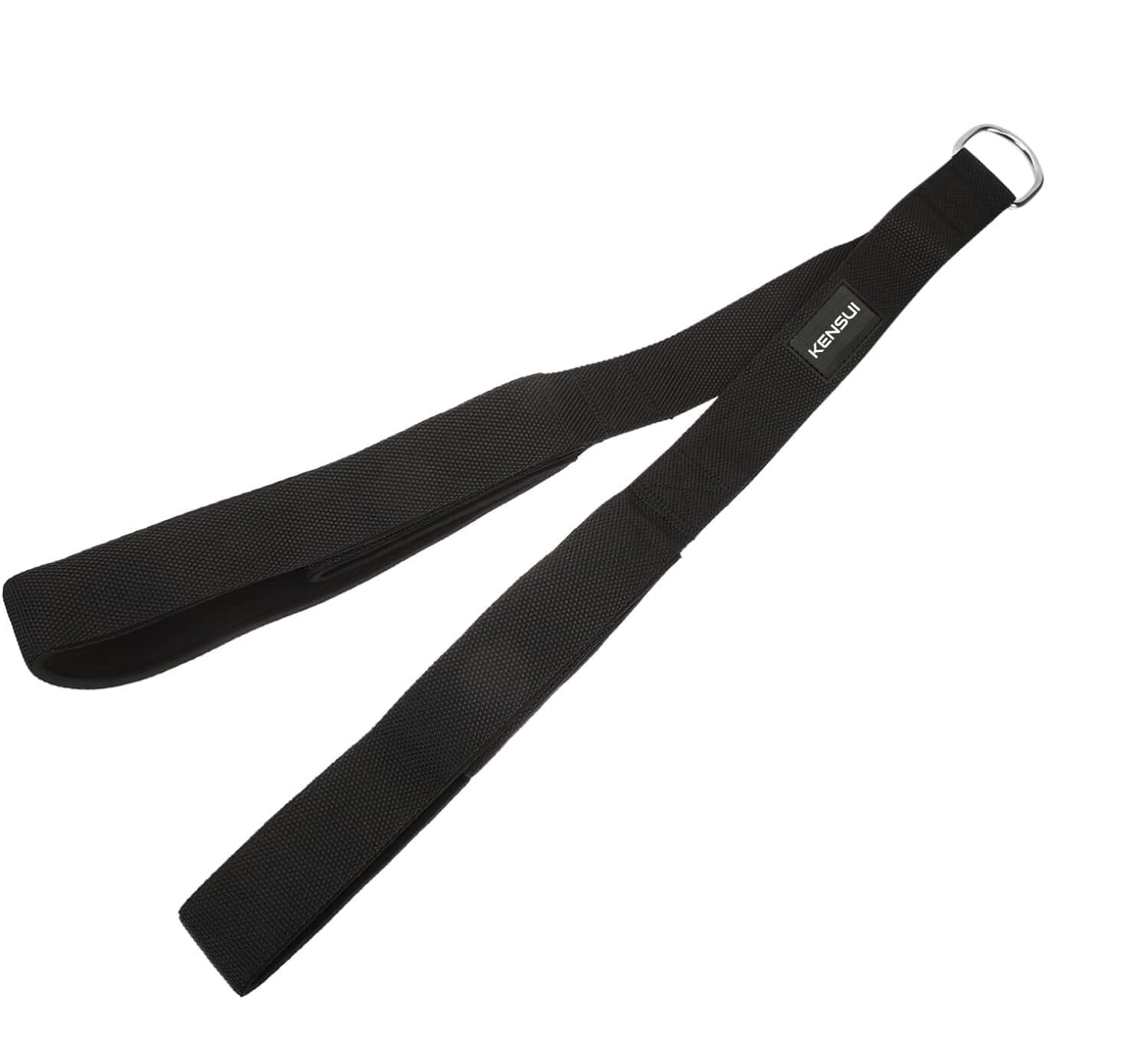
Multi-Length Tricep Strap
Adjustable-length cable strap for triceps, biceps and upper-body cable exercises.

GymPin D Handle Bar
Multi-use steel D-handle bar for cable rows, pulldowns and other cable exercises.

GymPin Ergo Handles
Pair of ergonomic cable handles shaped for comfortable triceps and pulling exercises.

GymPin D Cuffs
Adjustable wrist cuffs with textured grips for supported cable-machine exercises.
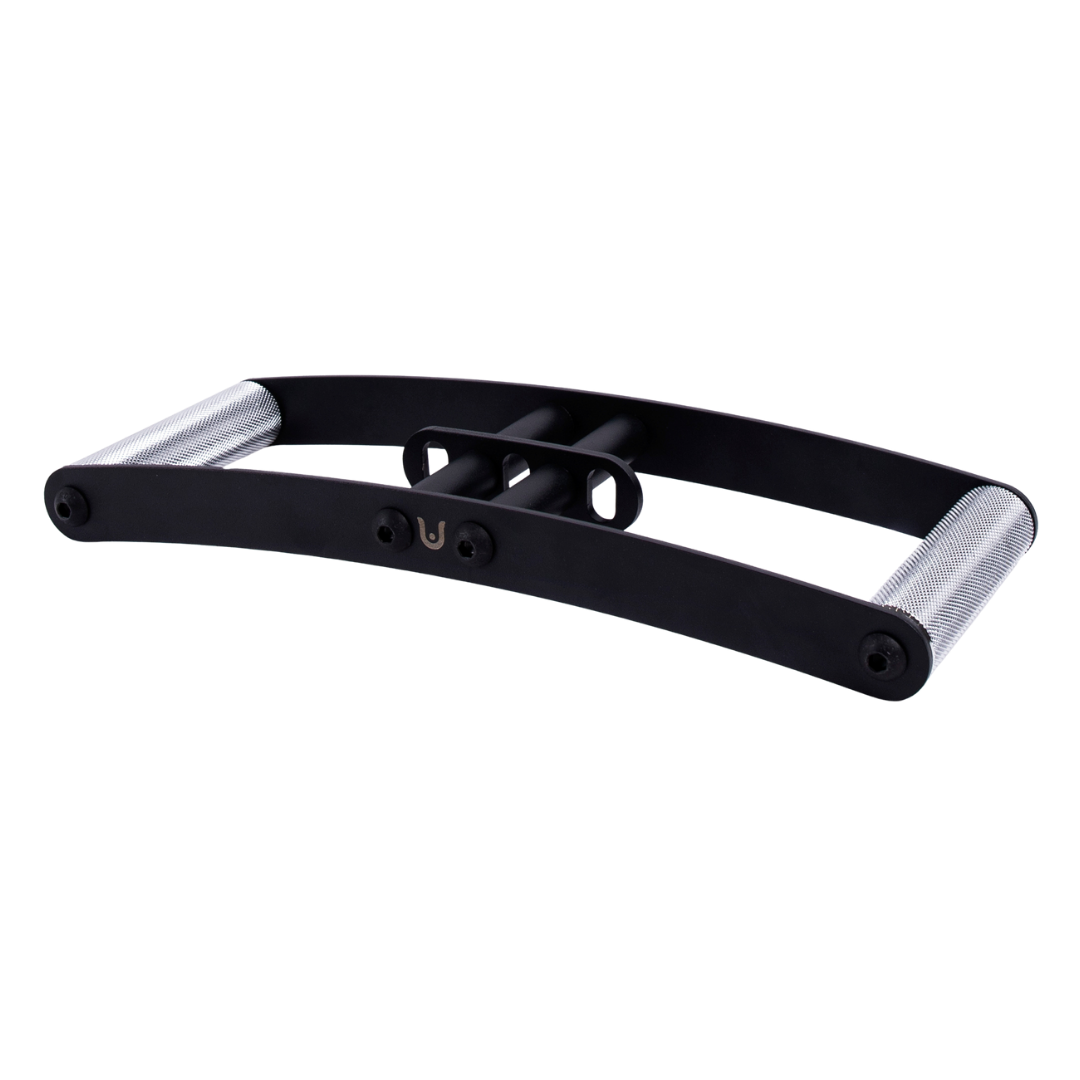
Horizon Grip
Ergonomic V-style cable grip for rows and back training.

W Grip
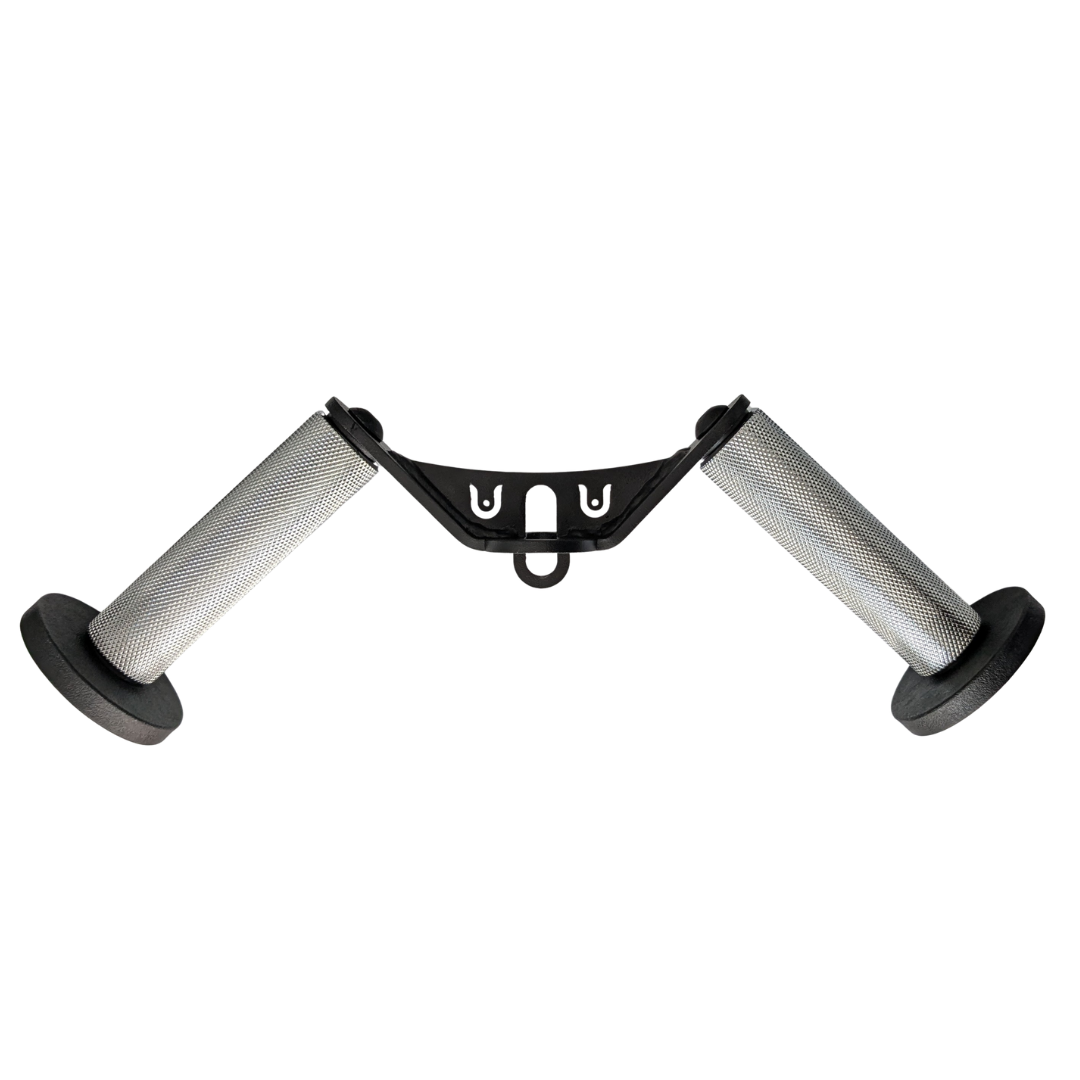
Angled cable grip for comfortable rows, pushdowns, and curls.
A two-day plan that fits a normal push or upper-body split
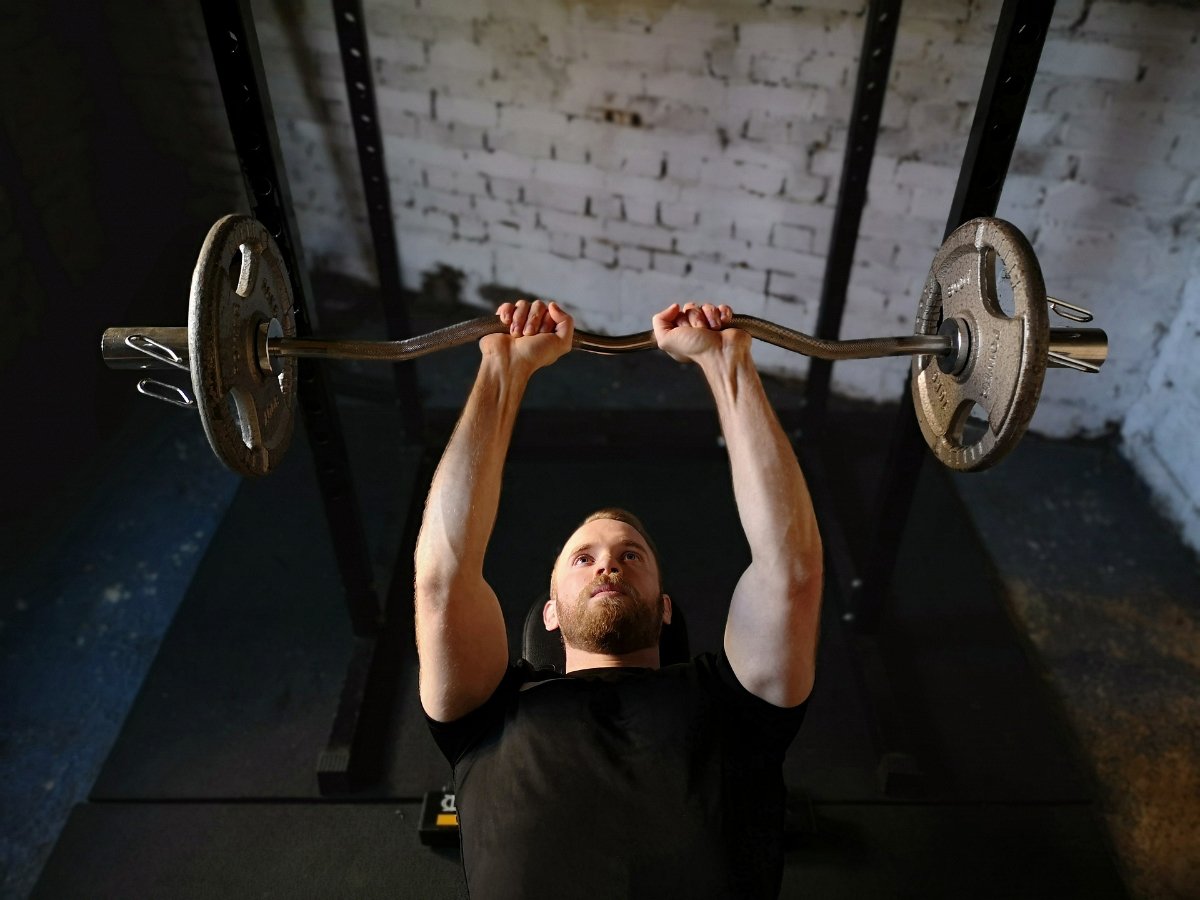
This sample is designed for someone who already trains their upper body and wants a clearer triceps progression. Put the sessions about two or three days apart. A lifter doing substantial bench and overhead work elsewhere should begin near the low end of these direct-set ranges, because compound presses already train elbow extension. Someone who rarely presses may need more pressing practice, not just more isolation work.
| Day | Exercise | Sets and reps | Effort |
|---|---|---|---|
| A: strength emphasis | Close-grip bench or floor press | 3 × 5–8 | About 2 reps in reserve |
| A | Overhead cable extension | 2 × 10–15 | About 1–3 reps in reserve |
| A | Rope pushdown | 2 × 12–18 | About 1–2 reps in reserve |
| B: muscle emphasis | Single-arm overhead extension | 3 × 8–12 | About 1–3 reps in reserve |
| B | Pushdown or lying extension | 2 × 10–15 | About 1–2 reps in reserve |
| B | Close-hand push-up | 1–2 × controlled reps | Stop before form breaks |
The table is a template, not a mandate to do every set immediately. If your regular weekly programming already contains two hard bench sessions and an overhead press session, trim one or both of the isolation finishers. If you are relatively new to hard arm training, begin with fewer sets and add only when performance and joint comfort remain consistent.
For the first two weeks, standardize grips, cable heights, elbow paths and rest periods. During weeks three and four, add repetitions inside the stated ranges before increasing load. Over the following weeks, raise resistance gradually when the top of a range becomes repeatable. One lighter week with fewer hard sets can be useful if elbows ache or pressing performance has slipped.
The practical question is whether your triceps work is adding to or competing with everything else. If chest and shoulder training feel normal, the elbows settle by the next session and reps rise gradually, the dose is probably workable. If pressing gets worse for multiple workouts and joints remain irritated, remove volume rather than interpreting the fatigue as proof of a great program.
Powerlifting Shirts & Lifting Gear
Powerlifting shirts and gym gear for squat, bench and deadlift lifters who live for heavy numbers.

Ultimate Bench Press Tee
Heavy lifts, good laughs, and a little “Ultimate Bench Press” energy.

Gym Sir Swole of Benchalot Medieval Knight Bench Press T-Shirt
Make gym days more fun with “Sir Swole of Benchalot Medieval Knight” style.

I Love Bench Press Muscle | Heart Plate Gym Vest for Ch Tank Top
Add some lifting attitude to training with “I Love Bench Press”.

4 Plates Bench Club Chest Day Meme & Top T-Shirt
Make gym days more fun with “4 Plates Bench Club” style.


I Want You To Bench Press Uncle Sam – 4th of July Patri Sticker
Stick a little “I Want You To Bench Press Uncle Sam” humor on your favorite gear.

Bench Press and Chill Funny Gym T
Make gym days more fun with “Bench Press and Chill” style.

If You're Reading This Its Chest Day
Keep things casual with a little “If You're Reading This Its Chest Day Drake” attitude.


Progress the numbers while protecting the elbows
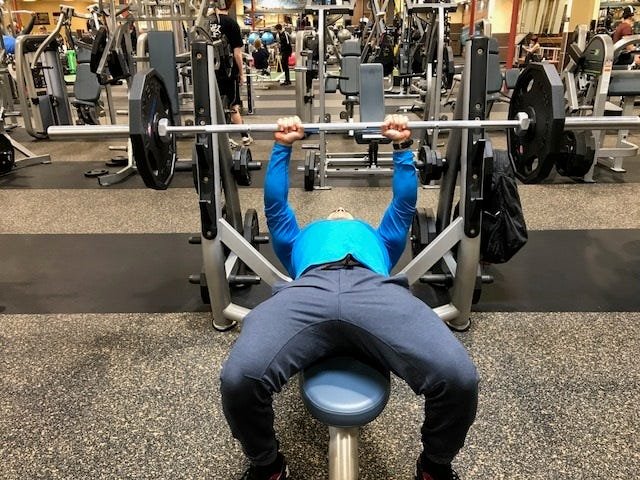
Track three things for each key exercise: load, clean repetitions and a simple effort estimate. A rep only counts for progression if you kept the same body position, range and tempo. Moving the elbows forward on every pushdown or bouncing through the bottom of every extension can create the appearance of improvement while reducing the actual challenge.
Progress by the smallest useful step. If your plan says two sets of ten to fifteen, stay at the same resistance until you can perform both sets near the upper limit without cheating. Add a small amount of load and let reps fall toward the bottom of the range. A slower but measurable increase is preferable to setting another personal record with a different exercise every week.
Volume is not a competition. Research across resistance-training programs generally supports sufficient hard weekly sets for hypertrophy, but the ideal amount differs with training status, exercise quality, proximity to failure and the amount of indirect work from presses. You can start with roughly six to ten focused direct triceps sets across the week and adjust based on results rather than leaping immediately to high-volume arm specialization.
Persistent sharp pain, swelling, tingling or worsening joint symptoms deserve more caution than ordinary muscular fatigue. Stop the provoking movement and seek an appropriate medical evaluation when needed. A lighter cable extension or different handle may feel better, but exercise substitutions should not be used to push through significant pain. Recovery and technique are part of effective training, not evidence of weakness.
What if pushdowns feel better than overhead work? Keep the version you can train consistently, then experiment with a lighter single-arm overhead or cross-body angle only if comfortable. Do compound presses count? Yes, they load the triceps, but there is no exact conversion from every bench set to one isolation set. How fast will your arms grow? That depends on training history, energy intake, recovery, effort and consistency, not on a universal eight-week guarantee.
For bigger arms and stronger presses, the durable formula is straightforward: one press that you can progressively load, one extension that challenges the triceps through a comfortable long range, and enough controlled accessory work to build without sabotaging the rest of your upper-body training. Give the plan time, keep the reps honest and let your logbook—not the soreness—tell you when you have earned the next step.