REP’s 2026 Strive Curved Treadmill brings an unusual combination into one machine: self-powered running, adjustable sled resistance and backward walking. That is an appealing proposition for hybrid athletes who want to train indoors without dedicating a long lane of turf to sled work. It is also a costly, heavy machine with demanding installation requirements. The practical question is whether its versatility offsets those compromises.
This is an independent specification-led equipment guide, not a hands-on review. We examine what the actual engineering permits, where research on curved treadmills and resisted sprints is relevant, and where marketing numbers need careful interpretation. The emphasis is on making a realistic purchase decision and building repeatable training, not assuming a machine creates fitness by itself.
Some equipment links may be affiliate links, supporting Mind Muscle Perfection without adding to your purchase price.
What makes the Strive different from a regular treadmill?
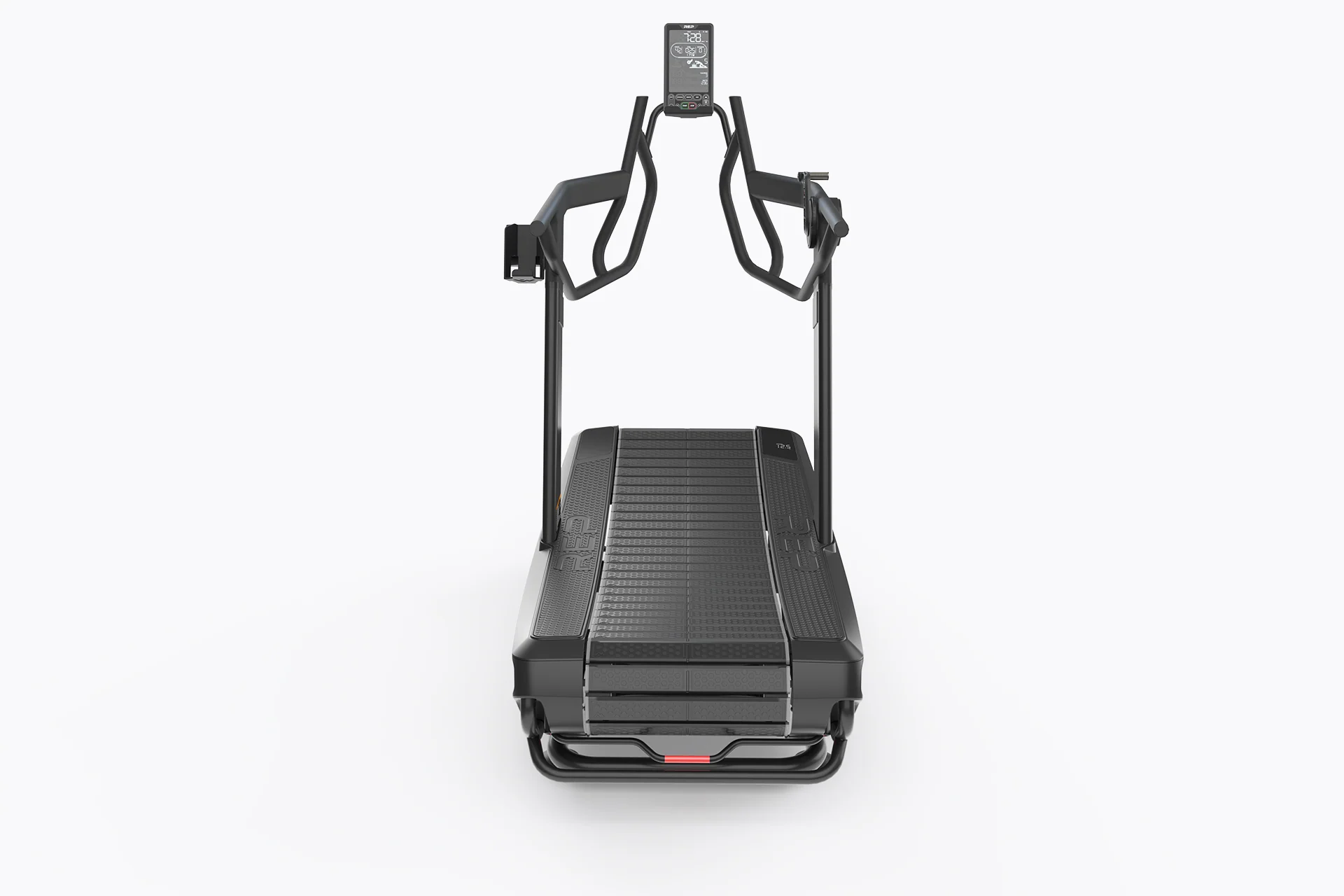
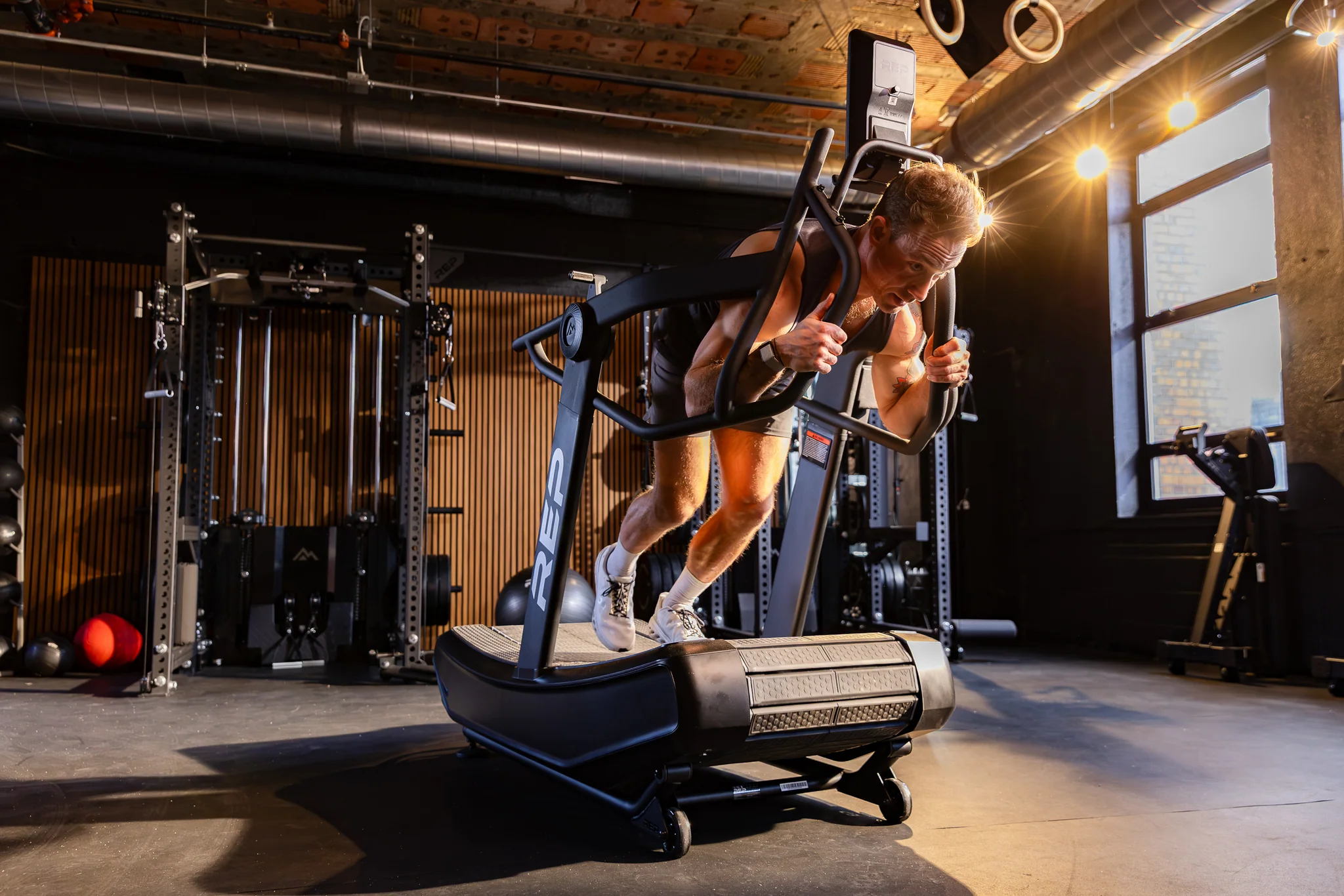
The Strive uses a curved slatted belt driven by the person on it. There is no motor that pulls the running belt at a preset speed. In free-run mode a clutch disconnects the sled resistance, allowing the runner to accelerate and decelerate by changing effort. In sled mode a separate magnetic system provides eight resistance settings, and the multiple handle positions give users a place to drive against the load.
The deck has two settings, flat and a three-degree incline. REP also includes a standard console and a second lower display that remains visible when an athlete leans forward for sled pushes. The US listing shows $3,799.99, approximately 418 lb assembled weight, an 82-by-38.5-inch footprint and a 400 lb maximum user weight. Those are meaningful design choices, not details to ignore after checkout.
The appeal is obvious: run, push and walk with resistance on one stationary platform. But a fixed treadmill is not a literal replacement for all outdoor sprinting or every loaded sled exercise. It trades freedom of travel for consistent indoor availability and rapid changes between different conditioning tasks.
Curved running feels different—and costs more effort at matched speeds
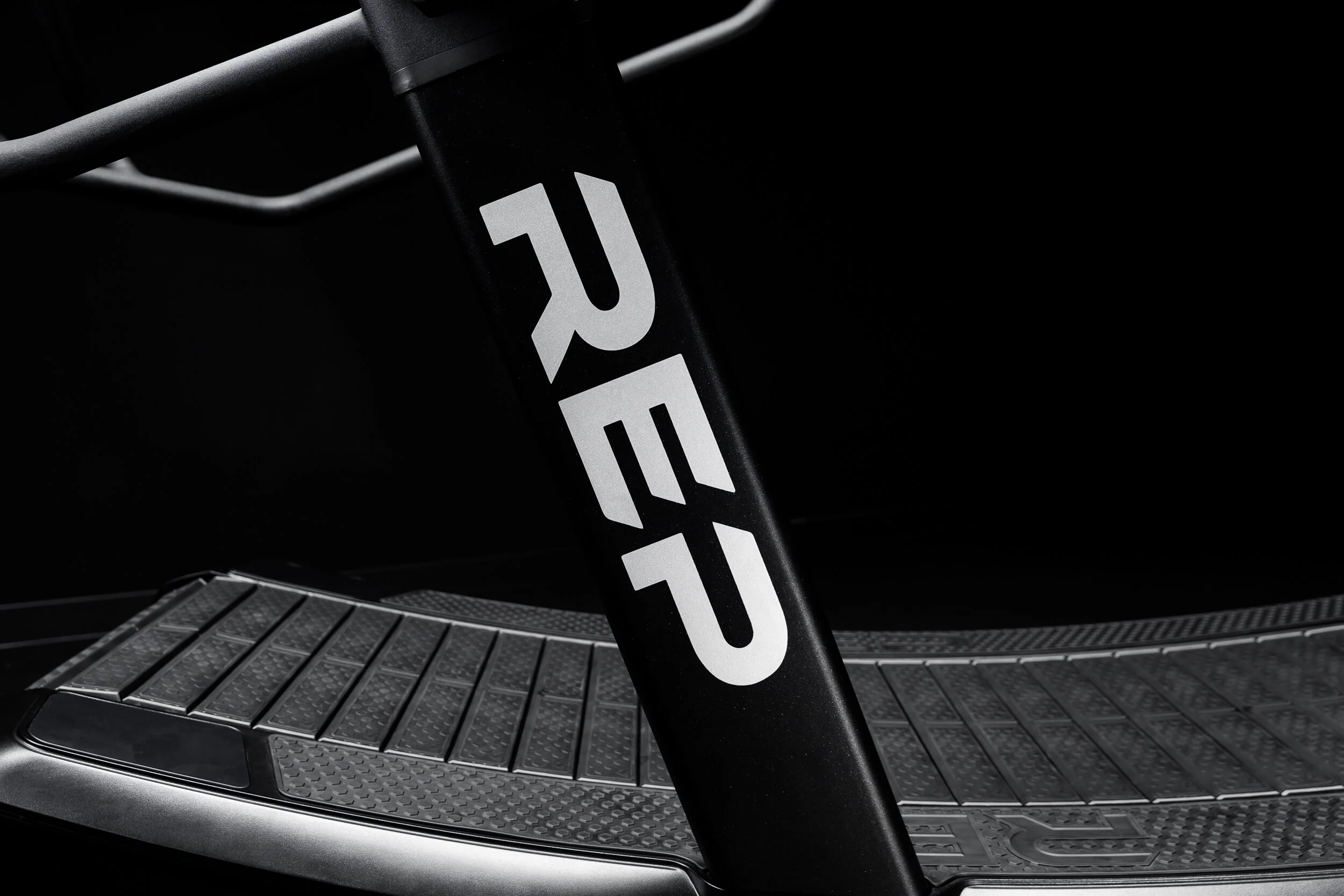
On a motorized treadmill, the belt moves at the selected speed while the runner tries to keep up. On a curved manual treadmill, the runner supplies the energy that moves the belt. Speed is therefore more immediately responsive to stride position and intent. This can make short accelerations intuitive once you have learned the belt, but first-time users often need several sessions to find a smooth, repeatable rhythm.
Independent laboratory research on other curved non-motorized treadmills has found higher oxygen demand than on motorized treadmills or overground running at comparable nominal speeds. One comparison included fourteen trained runners performing progressive six-minute bouts; another examined twenty-five volunteers and reported greater energy cost during both walking and running on a curved model. Those studies do not establish that every Strive session burns a fixed percentage more calories. Belt friction, machine construction, user technique and speed matching all affect the result.
For the first week, treat the treadmill as a new skill rather than a test of fitness. Walk for a few minutes, learn how the belt starts and stops, then alternate gentle running with walking. Keep your gaze ahead, avoid hanging on the rails and allow enough room to recover your balance. Do not copy outdoor pace targets directly onto the console.
When comfortable, use perceived effort: easy running should permit conversation, moderate intervals should feel challenging but controlled, and maximal bursts should be reserved for users who already have good technique. A curved belt is a useful conditioning tool, not an automatic upgrade over outdoor running for every purpose.

Equipment Worth Exploring
Explore equipment, accessories and gear from our carefully selected range.


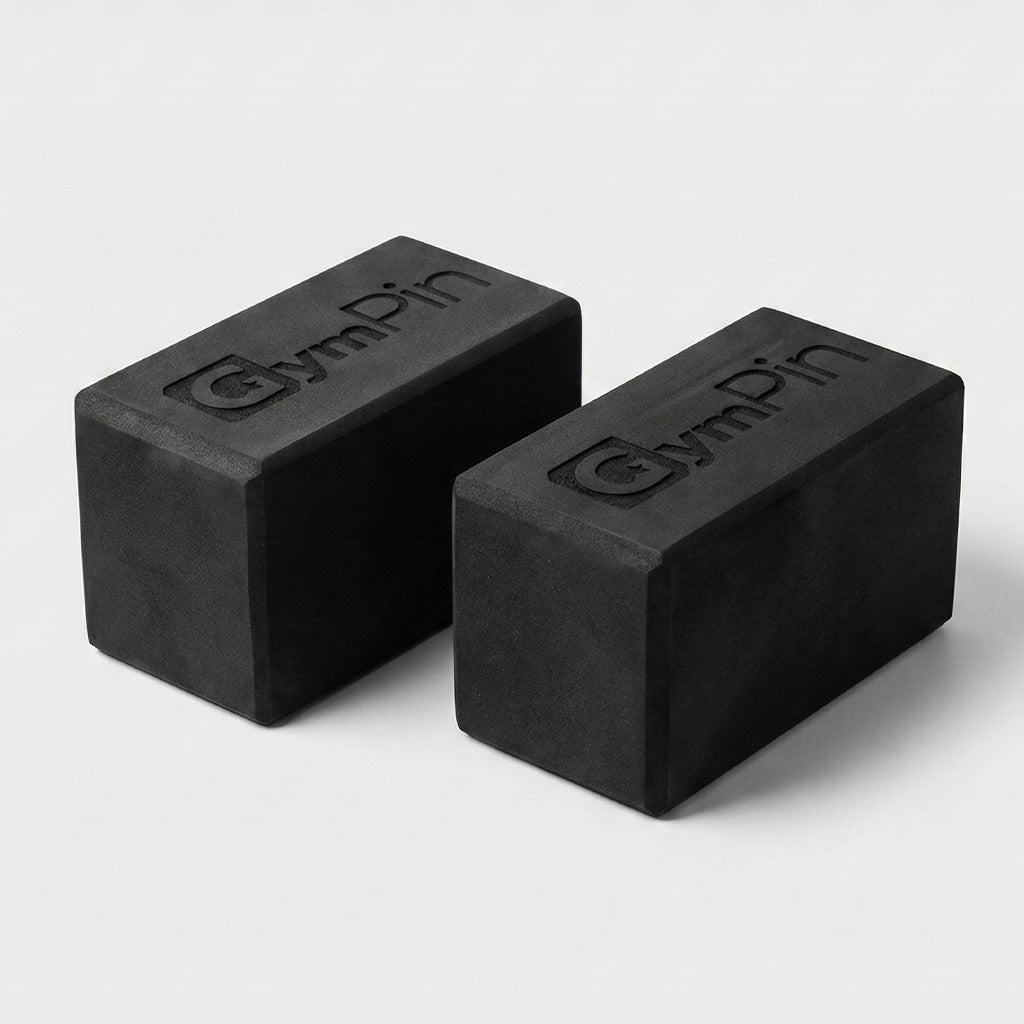
GymPin Starting Blocks
Portable high-density foam blocks for adjusting machine starting positions and range of motion.

Apple Watch Ultra 3
Rugged 49 mm smartwatch with cellular connectivity, GPS and fitness tracking.

Powerbeats Fit
Secure-fit wireless workout earbuds with active noise cancellation and a charging case.

VOLTRA
Compact digital cable trainer with smooth, adjustable resistance.

Go-Tone Pro
Portable digital cable trainer with up to 66 lb (30 kg) of adjustable resistance.

Eight sled settings: what does the claimed 550 lb actually mean?
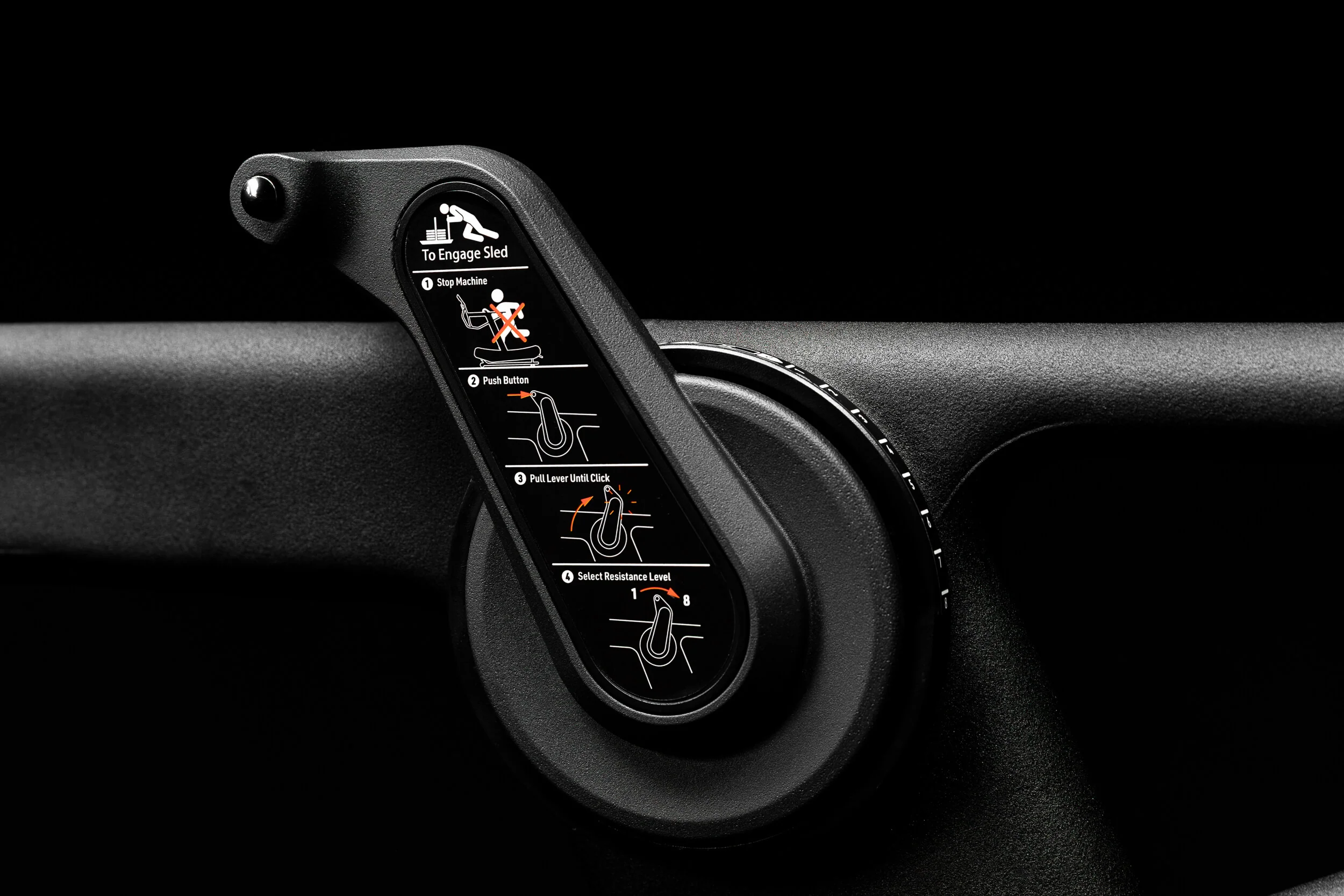
REP describes eight magnetic resistance levels, with flat-deck figures ranging from 25 to 550 lb and an inclined maximum of 525 lb. Those numbers are manufacturer-defined sled equivalents, not plates physically loaded on a sled. They should not be compared directly with a 550 lb barbell lift or a turf sled carrying 550 lb of steel. The actual force needed to move a belt depends on mechanical design, friction, acceleration, incline and the athlete’s technique.
In practice, start with a setting that allows short, deliberate steps while maintaining a stable trunk. The handles offer high, low and shoulder-oriented positions. Select the grip that keeps your posture controlled rather than chasing an artificially aggressive lean. If your feet stop moving smoothly or you must twist and pull against the rails, the setting is too demanding for the intended interval.
Changing modes deserves particular care. Stop the belt before engaging the clutch or changing between free-run and sled resistance. The system has a safety brake during transition, but that is not permission to operate the lever under load. Begin with light pushes, learn the controls and increase only one training variable at a time.
Research on conventional resisted sled training suggests that appropriate loading can improve sprint acceleration and force-related performance. That evidence concerns actual sled protocols, not direct testing of this treadmill. The practical lesson is to progress based on repeatable speed and good mechanics, not on the largest number printed beside the resistance lever.

Cardio Shirts & Workout Gear
Cardio and conditioning gym gear for runners, endurance athletes and anyone who earns the sweat.

Running Dost Thou Even Trot Medieval Treadmill Pullover Hoodie
Show off your medieval humor in a laid-back “Running” hoodie.


Cardio Speed Flash Sweatshirt
Add a playful “Cardio Speed Flash” touch to your casual rotation.

Wonder Woman Jump Rope Decal
Put “Wonder Woman Jump Rope” gym humor on your laptop, bottle, or gym gear.

Shirt – Cardio Is Hardio – & Gymbros T-Shirt
Show some cardio attitude with a playful “Cardio is Hardio” tee.

Cardio Is Calling You , Meme Top Answer Or Decline? T-Shirt
Make gym days more fun with “Cardio Is Calling You” style.

Negative Cardio Review Cardio Sucks Running , Meme T-Shirt
Heavy lifts, good laughs, and a little “Negative Cardio Review” energy.

Shirt – Don'T Quit Do It – Meme & Gains T-Shirt
Show some lifting attitude with a playful “Don't Quit Do It” tee.

Jump Rope Cardio Tee
Rep “Jump Rope Cardio Van Halen Rock Music” humor in and out of the gym.

Track Panther – Shirt & Running & Fans – Black T-Shirt
Rep “Track Panther” humor in and out of the gym.
Backward sled walking offers variety, not a miracle knee cure
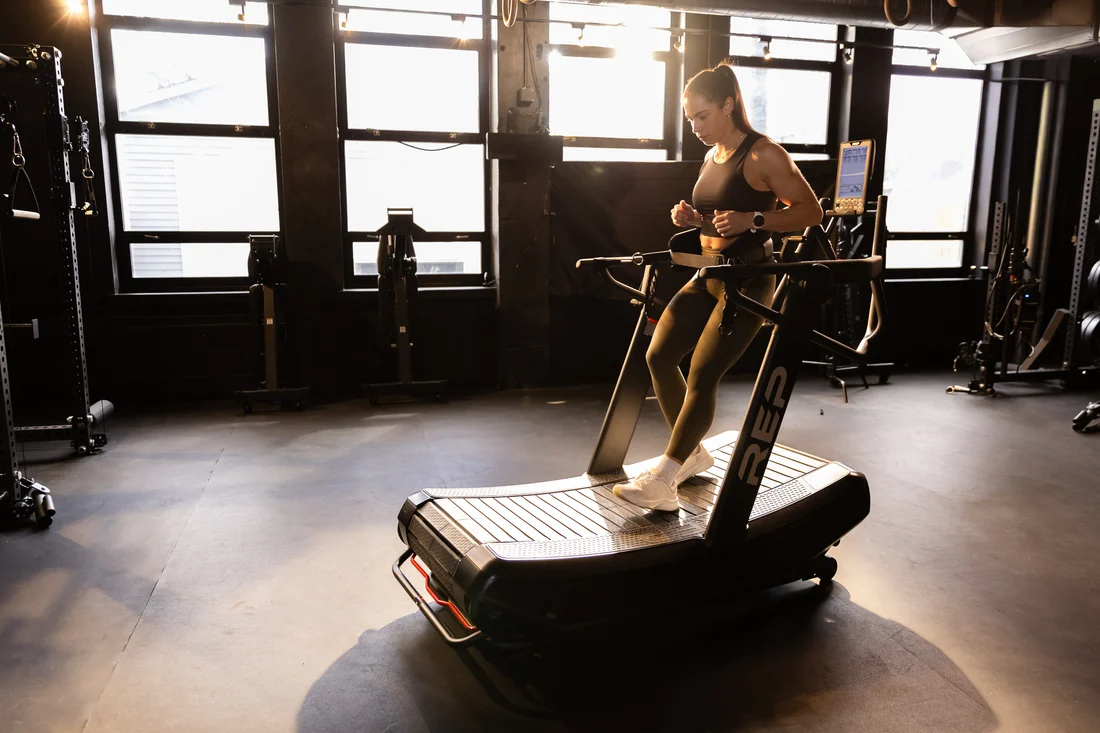
Backward resisted walking is one of the Strive’s more interesting options. A user can engage resistance, face backward and walk in controlled steps. REP also sells an optional belt squat belt and treadmill straps for supported backward dragging; those accessories are not part of the standard treadmill package.
Walking backward changes the pattern of leg loading and challenges coordination differently from forward running. At a low setting it may be useful for variety, balance practice and controlled conditioning. At high resistance it becomes strenuous lower-body work. The two should not be confused. Claims that reverse sled work automatically repairs knees or prevents injuries are not supported by this product’s specifications.
A safe progression starts with a very light setting, stable hand support and short steps. Once you can move without stumbling, add a little duration while keeping the same resistance. Only then consider a modest increase in difficulty. If you use a belt or straps, inspect every connection and follow the manufacturer’s attachment instructions. Avoid unfamiliar heavy backward pulls without supervision.
A turf sled still offers unique training opportunities: longer pushes, changes of direction, team drills and different surfaces. The Strive instead gives you predictable resistance in one location and removes dependence on weather or a long indoor lane. That makes it particularly interesting for garage gyms and commercial facilities that have safe clearance but no practical sled track.
It is worth separating convenience from effectiveness. A machine that encourages you to perform two consistent weekly sled sessions may be more valuable than an ideal outdoor setup that is rarely used. The reverse is also true if the treadmill’s bulk prevents other essential training.
Measure the room before being impressed by the footprint
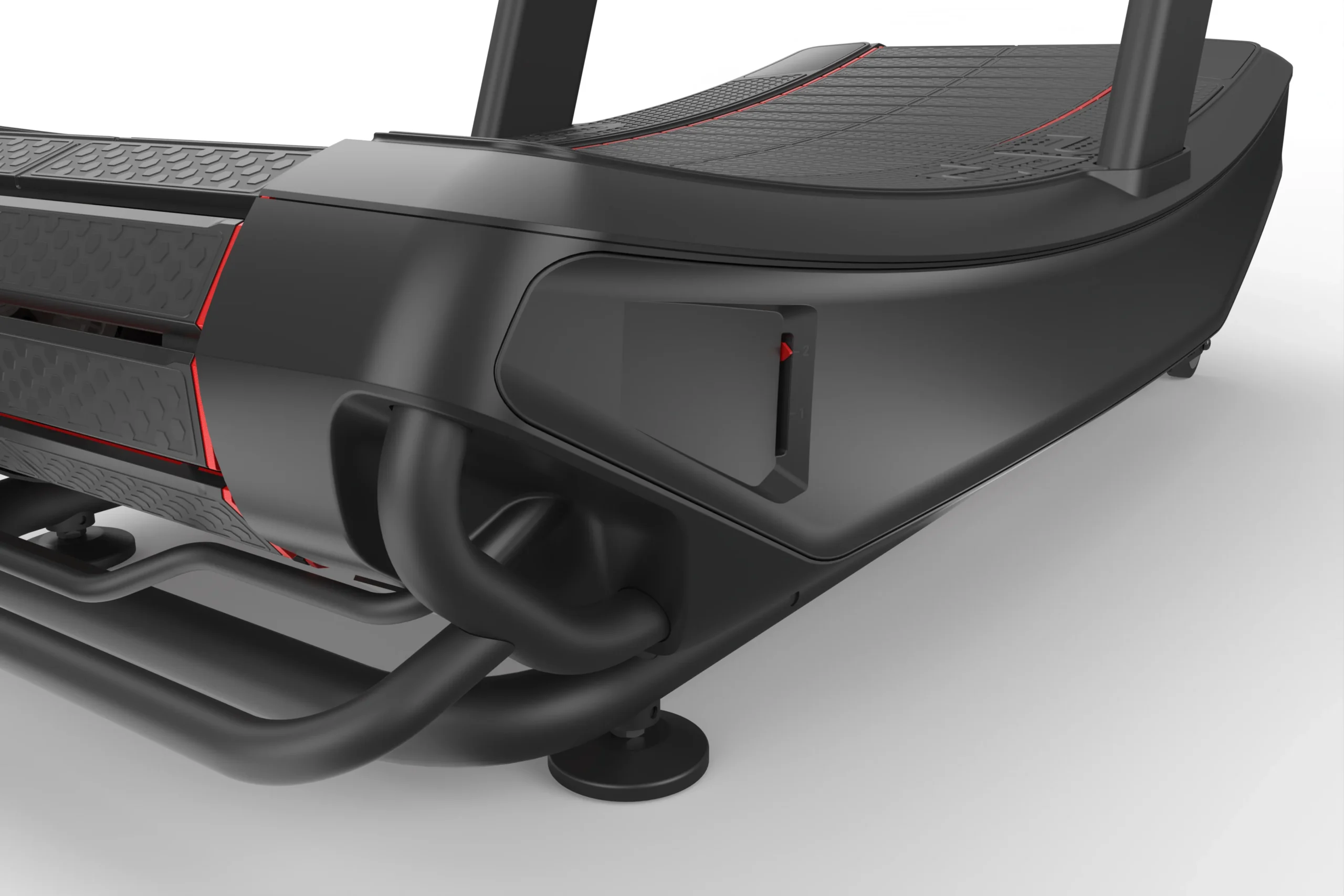
At roughly 82 inches long and 38.5 inches wide, the Strive is not a folding walking pad. REP recommends around 79 inches of unobstructed space behind the machine for safe dismount and about 24 inches on the sides and front. A rack, weight tree or wall behind the belt is not an acceptable substitute for that safety area. The total usable floor zone is therefore much larger than the base dimensions suggest.
Ceiling clearance is equally important. The running surface reaches about 17.7 inches above the floor. Add your own height, normal vertical movement during running and some comfortable headroom. A tall person can run out of overhead space even in a room that easily accommodates a conventional treadmill. Measure the actual ceiling and the intended user’s dimensions, not just a generic minimum-height line.
Delivery and assembly are serious considerations. The assembled machine weighs approximately 418 lb, and European delivery information describes a crated shipment approaching 240 kg. The assembled width does not fit through many ordinary internal doors. REP recommends assembly in the final location, with extra people and moving equipment for safe handling. Upstairs installations should be checked for structural load capacity, especially in older buildings.
Factor in the route from curb to room, stairs, doorway clearances, floor protection and potential vibration transmission to neighbors. A heavy machine may be durable but is not necessarily portable. For a compact home gym, this may be the decisive tradeoff: replacing two training stations is attractive only if the required safety zone does not swallow the rest of the room.
Equipment Worth Exploring
Explore equipment, accessories and gear from our carefully selected range.

Squat Harness
Wearable harness for hands-free cable squats, sled work, and lower-body training.


FID Bench MAX
Adjustable bench offering flat, incline, and decline positions + adjustable headrest.


Power Tower
Freestanding pull-up and dip station with adjustable handles for bodyweight training.

Belt Squat Collar
Heavy-duty collar adapter for compatible belt-squat and landmine bar setups.
How to track running and sled progress without chasing bad metrics
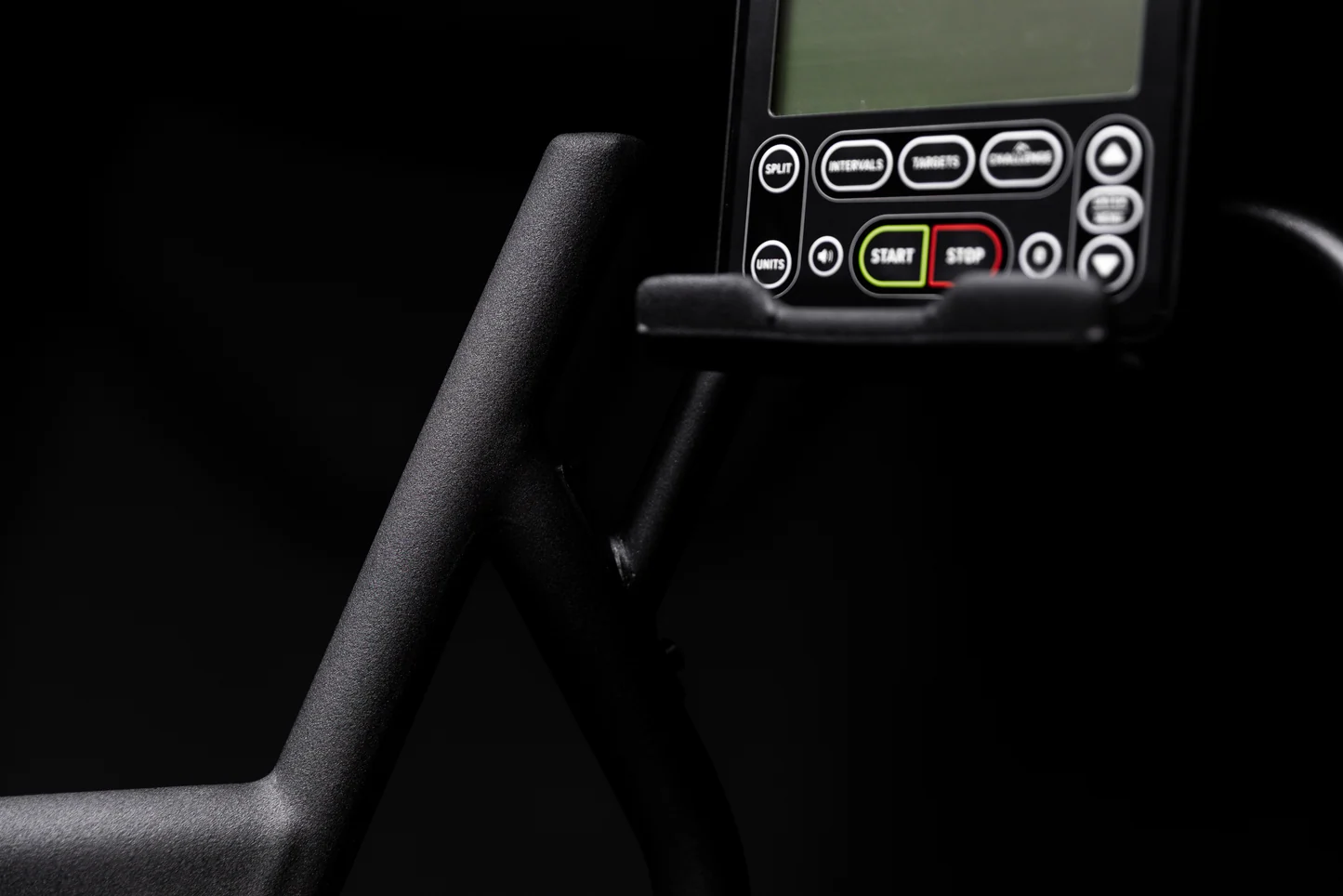
The Strive has a primary console and a lower heads-down display for sled pushes. Time, distance, pace, speed and estimated calories can help organize sessions; compatible heart-rate monitors and FTMS applications provide additional tracking options. The belt is human-powered, while the console can run on D-cell batteries or the included adapter.
The most useful metrics are the ones you can reproduce. For running, keep the same deck angle and compare the duration and effort of a steady session. For sled pushes, record the setting, work interval, rest period and whether your pace stayed controlled. Do not assume that the machine’s estimated sled weight measures the same mechanical demand as a loaded barbell or a turf sled.
Calorie estimates are approximate, especially during short, explosive intervals. Heart rate also responds with a delay, so it is not a precise measure of the peak demand of a ten-second push. For hard sled work, quality of movement and the ability to repeat a consistent interval are often better practical markers.
Plan conditioning around strength work rather than piling every demanding session into the same day. Heavy sled pushing can fatigue the quads and glutes before squats or deadlifts. If lifting performance is your priority, do heavy strength work first or place demanding sled sessions on separate days. If endurance is the main goal, use more easy running and fewer maximal pushes.
The advantage of a combined machine is versatility. The risk is treating that versatility as an invitation to do every mode hard, every day. Recovery remains part of the training program regardless of how advanced the hardware becomes.
Functional Fitness Shirts & Workout Gear
Functional-fitness shirts, tanks and workout gear for athletes who train strength, conditioning and everything in between.

Hybrid Athlete – Strength & Endurance Gym Pullover for Hoodie
Keep it laid-back with a little “Hybrid Athlete” attitude.


Viva La Resistance Bands , Meme Shirt, Top T-Shirt
Make gym days more fun with “Viva La Resistance Bands” style.

Cheeseburger Kettlebell – Burger Swings Meme Jumper Pul T-Shirt
Keep things casual with a little “Cheeseburger Kettlebell” attitude.

Heavy Metal – Kettlebell Rock Music & Gymbros Meme T-Shirt
Heavy lifts, good laughs, and a little “Heavy Metal” energy.

Forged in the Gym Tee
Show some lifting attitude with a playful “Forged in the Gym: Hephaestus God of Fire” tee.

For Whom The Bell Curls Metallica Kettlebell Heavy Meta Hoodie
Stay casual and show some metalhead attitude with “For Whom The Bell Curls”.
A four-week progression—and the buyers who should pass
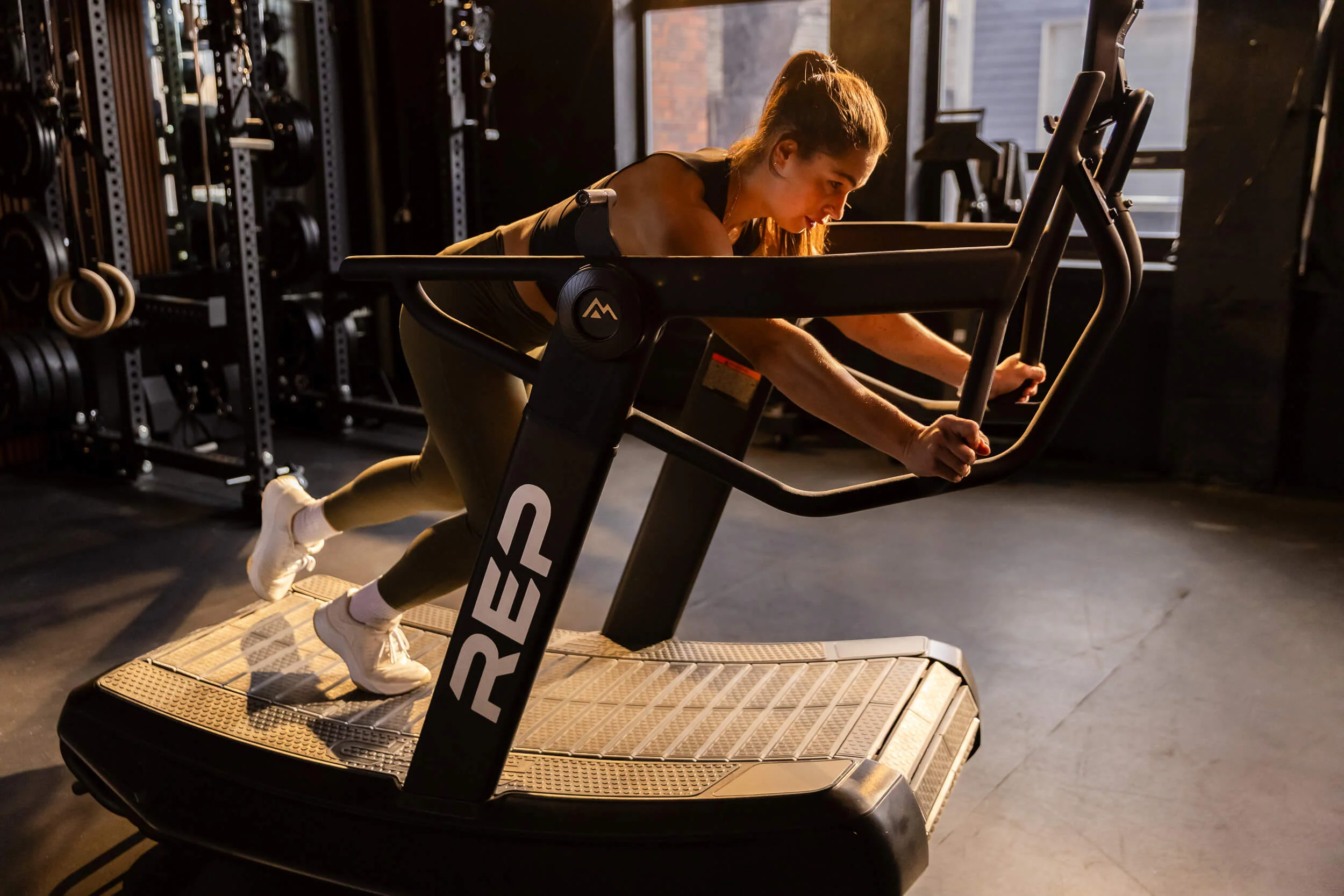
Start this plan only after learning the controls and becoming comfortable with ordinary exercise. It is a practical example, not medical rehabilitation or a prescription to use the highest resistance level. Warm up for five to eight minutes, stop if balance deteriorates and leave recovery time between hard lower-body sessions.
- Week 1: Complete two easy free-run sessions of 10–15 minutes. On a separate day, perform four light sled pushes of 15 seconds each, resting at least 75 seconds between pushes. Focus on starting and stopping smoothly.
- Week 2: Extend one easy run to 20 minutes. Complete five moderate sled pushes of 20 seconds, with 90 seconds recovery. Add two brief backward-walking technique intervals only if control is good.
- Week 3: Keep one easy 20–25-minute run. Add five brisk running intervals of 30 seconds separated by 90 seconds easy. On another day, perform four to six sled pushes without increasing resistance if technique is slipping.
- Week 4: Repeat the week-three structure with slightly better pacing or one additional quality interval. Do not simultaneously raise resistance, interval duration and frequency. If lifting performance suffers, reduce sled volume first.
People with cardiovascular symptoms, balance limitations or relevant medical restrictions should seek individualized guidance before intense sessions. Beginners should use lower volumes and learn the sled mode with appropriate instruction.
Who should consider the Strive? Hybrid athletes, coaches and gyms that will genuinely use both self-paced running and resisted pushes several times weekly, have the required safety clearance and can manage a heavy installation. Who should skip it? Buyers who need a folding treadmill, very quiet upstairs walking, a budget cardio option or a freely moving turf sled.
The strongest case is not the headline 550 lb number. It is the ability to perform different forms of conditioning on one fixed platform. Whether that justifies the money depends on how often you will use each mode and whether the machine fits your room safely.