The seated hip adductor machine has a reputation as an optional finishing exercise, yet the muscles it trains are substantial contributors to hip control and lower-body force. It is not a replacement for squats, hinges, running or lateral movement. It is a way to apply measurable resistance to a movement that can otherwise be difficult to load consistently.
That distinction matters if your goal is bigger thighs, better control under a barbell or stronger adductors for sport. Direct work can be useful without being magical, and an exercise can have value even when it does not resemble a movement on the field. Here is how to judge the machine, use it without irritating your groin, and decide whether it deserves space in your program.
What the hip adductors actually do
The adductor group sits mainly along the inside of the thigh. It includes adductor longus, brevis and magnus, gracilis and pectineus. Together they help move the thigh toward the body’s midline, but their contributions change with hip angle and the task. Some fibers also help flex, extend or rotate the hip. This is why calling them merely the muscles that close your knees misses a large part of their function.
The adductor magnus is especially important. A 2025 imaging and biomechanical investigation in 15 young adults estimated that its overall capacity to create hip-extension torque was more than twice its capacity for adduction torque. That is an estimate based on muscle architecture and moment arms, not proof that every squat uses twice as much adductor force as a machine repetition. Still, it helps explain why deep lower-body exercises can challenge the inner thigh.
Muscles can perform several jobs, and a machine usually emphasizes only one of them. Seated adduction trains bringing the thighs together against external resistance. It does not directly train sprint braking, lateral cutting, trunk stabilization or the full hip-extension demands of a heavy squat. Think of it as targeted capacity building rather than a complete athletic movement.
If your inner thighs fatigue on squats or lateral lunges, that alone does not tell you whether you need a machine. First consider your overall leg volume, technique, recent training changes and symptoms. A sensible accessory should solve a real programming problem, not simply add another exercise because a muscle exists.
Do squats and deadlifts already train the adductors enough?
Compound leg exercises recruit the adductors, particularly the large magnus during hip extension. A deep squat, split squat or hinge asks the hip extensors to produce force while other muscles stabilize the leg. But recruiting a muscle is not identical to maximizing its growth stimulus, and two people can experience very different local fatigue from the same lift.
For a beginner who already squats and hinges twice a week, direct adductor work may be optional. More total training is not automatically better, especially when recovery, technique and progression are still developing. A bodybuilder trying to bring up inner-thigh size may have a stronger reason to add a few focused sets because the machine offers a repeatable resistance path and an easily tracked load.
Compare the cost of another heavy compound set with an isolation set. An additional squat set can increase breathing demand, spinal loading and whole-body fatigue. A controlled adductor-machine set concentrates effort in a smaller region, although it still contributes to local soreness. That makes it a practical accessory after the hard work rather than an exercise that must lead the session.
There is also a useful distinction between adduction and abduction. The adductor machine brings the legs inward. The abductor machine pushes them outward and primarily challenges a different group around the outer hip. Their names are similar, but they are not interchangeable. Choose based on the action you want to strengthen, not which machine happens to be empty.
For most lifters, the best test is simple: keep your major lower-body movements, add a small amount of adduction work for several weeks, and track performance and tolerance. If it adds useful stimulus without compromising the next leg day, it may earn a permanent place.

Equipment Worth Exploring
Explore equipment, accessories and gear from our carefully selected range.

GymPin Squat Wedges
Non-slip 15-degree squat wedges help elevate the heels for deeper quad-focused squats.

Belt Squat Collar
Heavy-duty collar adapter for compatible belt-squat and landmine bar setups.


Safety Squat Handles
Barbell squat handles that reduce shoulder positioning demands during high-bar squats.

HUSLA Leg Extension Pad
Pad attachment designed to increase usable range of motion on compatible leg-extension machines.

How to set up the machine without forcing the groin
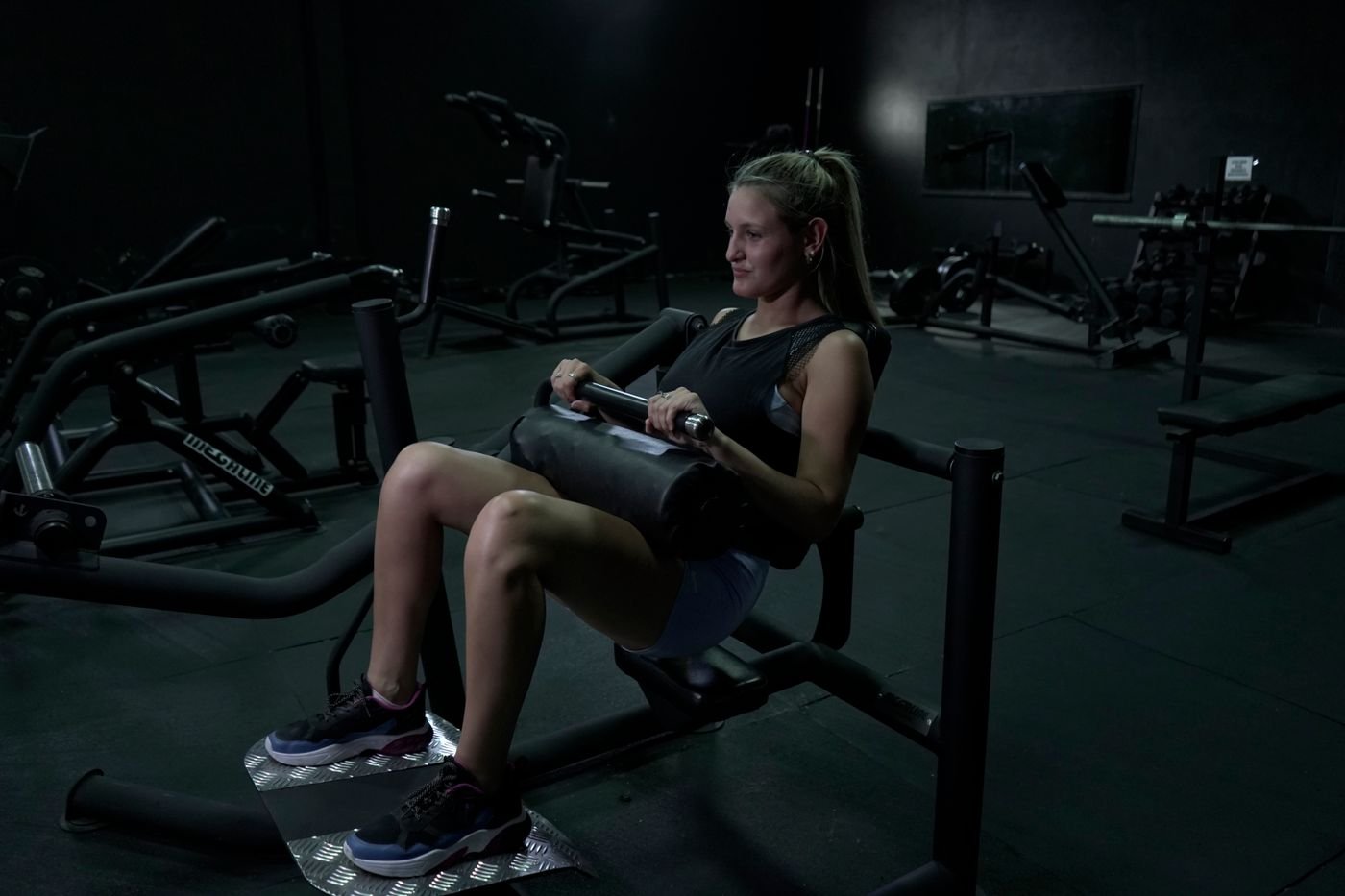
Begin with the seat adjusted so your pelvis stays stable against the backrest and the pads contact the inside of the thighs where the manufacturer intends. Machine designs differ, so follow the specific equipment instructions. Choose a starting leg position that creates a comfortable stretch, not the widest setting you can physically reach. An aggressive stretch under load is not a shortcut to muscle growth.
Start with a deliberately light set of 10 to 15 controlled repetitions. Bring the thighs together smoothly, pause briefly without slamming the weight stack, then return with control. Keep the torso steady, breathe continuously and avoid throwing the hips forward to move more weight. The useful range is the range you can own while maintaining a comfortable joint position.
A common error is loading the machine heavily and using momentum to finish the final inches. Another is allowing the weight stack to crash as the knees separate. Both reduce control and can make it harder to identify which load actually challenges the intended muscles. Increase the weight only after you can repeat the same clean motion throughout the set.
Foot position and pad geometry vary among brands. Do not treat a specific toe angle from an online demonstration as universally correct. What matters more is a stable seat position, consistent pad contact, manageable stretch and a clear sensation of muscular effort rather than sharp discomfort in the groin or hip joint.
People with recent groin strains, sharp pinching, unexplained pelvic pain or pain that worsens after exercise should not use a generic article as a rehabilitation plan. Seek an appropriate assessment. For an otherwise healthy lifter, controlled progression usually matters far more than trying to maximize range or load in the first session.
What the injury-prevention evidence does and does not prove
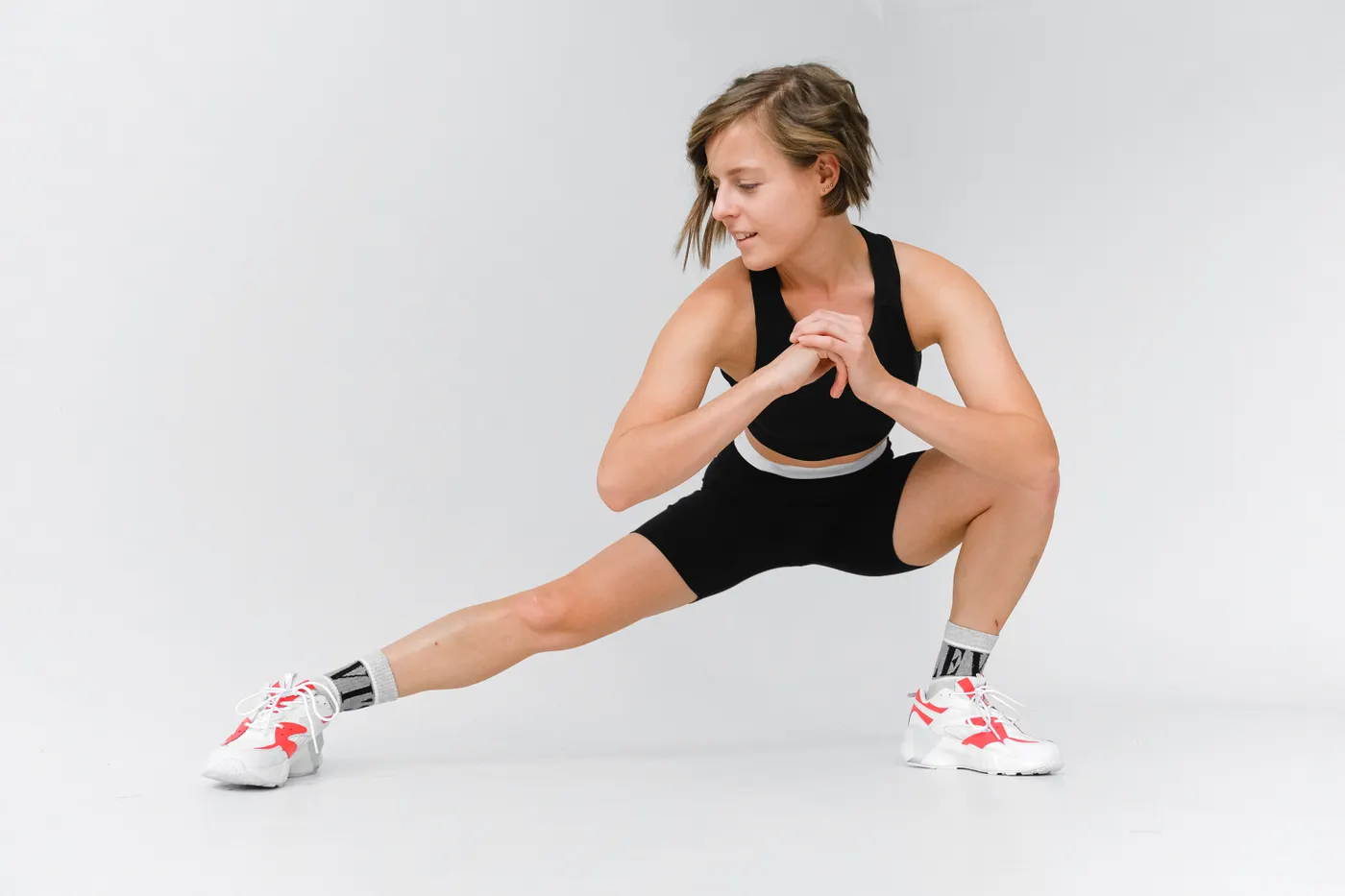
Adductor strength matters in sports that involve rapid cutting, sprinting and kicking. A randomized trial involving 35 semiprofessional football teams and 652 players tested a structured adductor-strengthening program built around a Copenhagen exercise progression. Over the competitive season, the intervention group reported groin problems less often than controls, with an estimated 41% lower risk of reporting a problem.
That result is meaningful, but it is easy to overinterpret. The intervention used a progressive Copenhagen-style exercise, not the seated adductor machine. It involved male football players, not a general sample of gym members. The outcome was self-reported groin problems across a season, not MRI-confirmed prevention of every strain. You cannot transfer the 41% figure directly to machine users.
Another 2025 investigation of 44 rugby players found that progressively weighted isometric Copenhagen positions produced greater measured adduction torque than the unweighted variation. That supports the idea that exercise leverage and load can meaningfully change adductor demands. It does not establish that the hardest variation is best for everyone, or that a particular exercise guarantees fewer injuries.
Practical prevention involves several qualities: sufficient strength, exposure to sport-specific movement, sensible progression and the ability to tolerate acceleration and deceleration. A seated machine can develop a piece of that capacity, while lateral lunges, single-leg training and graded running practice cover different demands. The useful combination depends on your sport and current level.
If you are returning after a groin injury, the correct progression is individualized. Pain response, strength symmetry and sport-specific tolerance matter more than a fixed calendar or an impressive number on the machine’s stack.

Leg Day Shirts & Workout Gear
Leg-day gym shirts and workout gear for lifters who never skip squats, lunges and lower-body punishment.

Thick Thighs Crush Guys Leg Day Meme & Top T-Shirt
Make gym days more fun with “Thick Thighs Crush Guys” style.

My Leg Hurts Leg Day Decal Water Bottles & Gear Meme Sticker
Stick a little “My Leg Hurts” humor on your favorite gear.

Squats Booty Builder Barbie Meme Leg Day & Strong Tank Top
Bring “Squats Booty Builder” humor to your next lifting session.

Fantastic Booty Leg Day Squats & Glute Builders Meme Hoodie
Bring “Fantastic Booty” gym humor to lazy days and post-workout plans.

Zombie Deadlift Sweater Deadlift Lovers & Leg Day T-Shirt
Bring “Zombie Deadlift” humor to your everyday gym style.

Skeleton Deadlift Deadlift Lovers & Leg Day Hooded Hoodie
Show off your leg-day humor in a laid-back “Skeleton Deadlift” hoodie.

Thicc Booty Energy Sweater Leg Day & Squat Lovers T-Shirt
Show some gym-day personality with “Thicc Booty Energy”.

BootyBuilder Sweater Squats & Leg Day Meme T-Shirt
For laid-back days and leg-day humor: “BootyBuilder”.

Trap Bar Deadlift Behold Thee Trap Bar Medieval Knight Tank Top
Bring “Trap Bar Deadlift” humor to your next lifting session.

Let It Grow Girl – Squats & Leg Day Bootybuilder T-Shirt
Show some gym-girl attitude with a playful “Let It Grow Gym Girl” tee.
Five useful alternatives and complementary movements
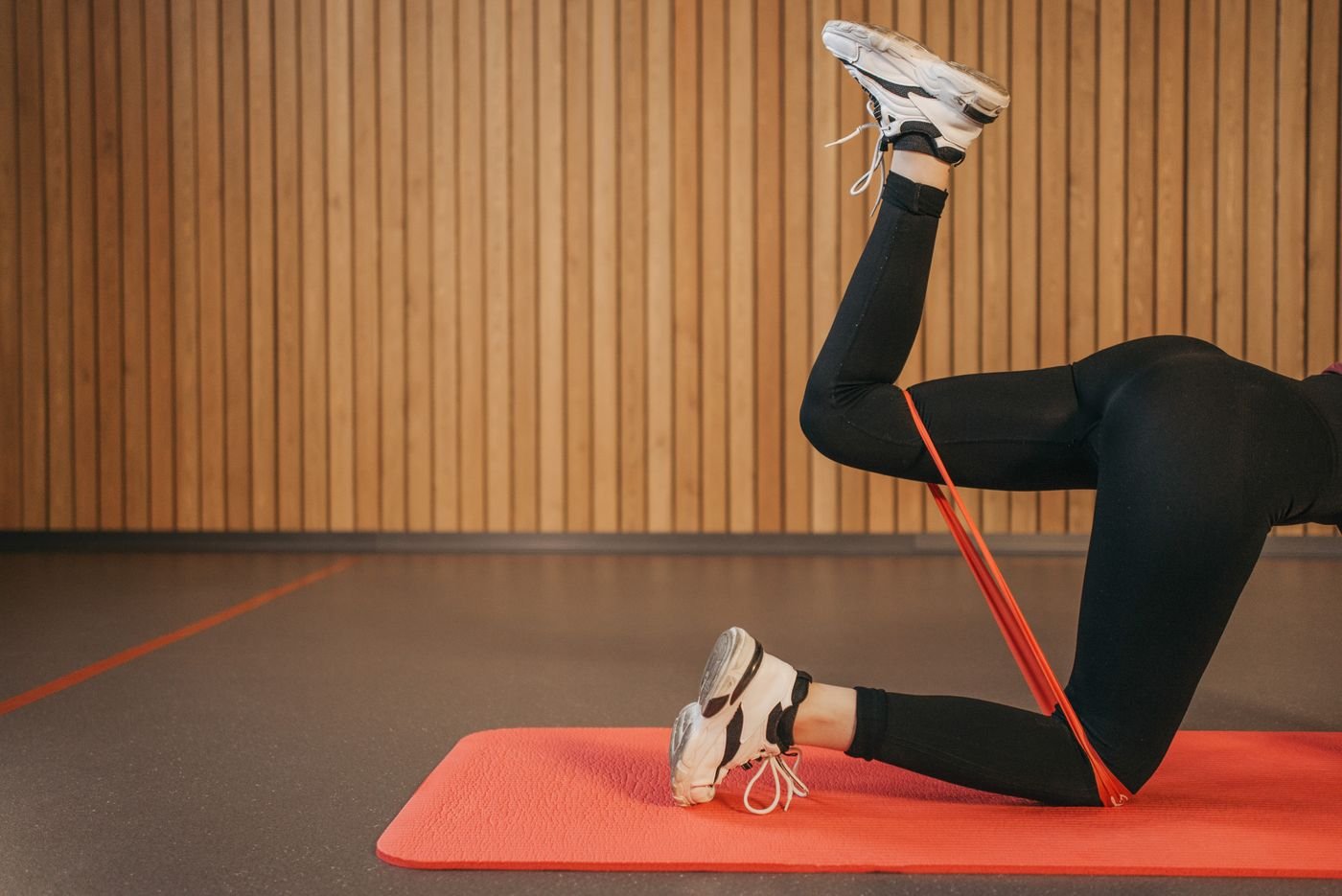
Short-lever Copenhagen hold: Lie on your side with the top knee supported on a sturdy bench and your forearm on the floor. Lift the pelvis to form a straight line and hold briefly. Supporting the knee instead of the ankle reduces the lever arm, making this a more approachable entry point than the long-lever version. Stop if it produces sharp groin pain.
Side-lying hip adduction: Lie on one side, move the upper leg out of the way and raise the lower leg through a small, controlled range. This uses minimal equipment and is easy to scale with tempo or small external resistance. It is useful when a machine is unavailable, although loading it precisely can be less convenient.
Standing cable adduction: With a suitable ankle attachment and low cable, move one leg inward while keeping the pelvis stable. Start light and use a support for balance. Unlike the seated machine, the standing variation asks you to stabilize the trunk and stance leg as well, but balance can limit the weight you can use.
Lateral lunge: Step sideways, bend into one hip and push back to standing while controlling the opposite leg. This introduces frontal-plane motion and demands more coordination. Start with a comfortable depth and bodyweight; a heavy Cossack squat is not necessary for a beginner.
Squats and split squats: These are not direct substitutes for every adduction function, but they are valuable multi-joint lower-body work. Keep them as foundations for general strength and muscle development, then add targeted work where your program needs it.
Choose one direct adductor movement and one more dynamic lower-body pattern rather than trying to perform all five in every workout. Variation is useful when it serves a purpose, not when it turns a straightforward leg session into an endless exercise menu.
Equipment Worth Exploring
Explore equipment, accessories and gear from our carefully selected range.
VOLTRA
Compact digital cable trainer with smooth, adjustable resistance.

Go-Tone Pro
Portable digital cable trainer with up to 66 lb (30 kg) of adjustable resistance.

Squat Harness
Wearable harness for hands-free cable squats, sled work, and lower-body training.

FID Bench MAX
Adjustable bench offering flat, incline, and decline positions + adjustable headrest.

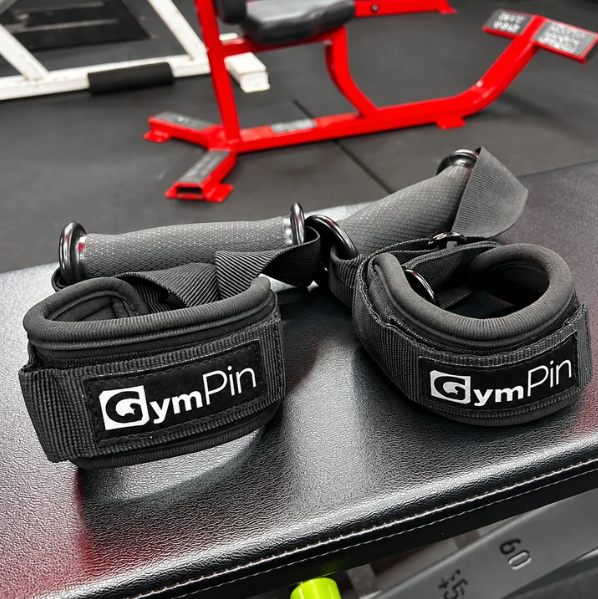
GymPin D Cuffs
Adjustable wrist cuffs with textured grips for supported cable-machine exercises.



A practical four-week inner-thigh strength progression
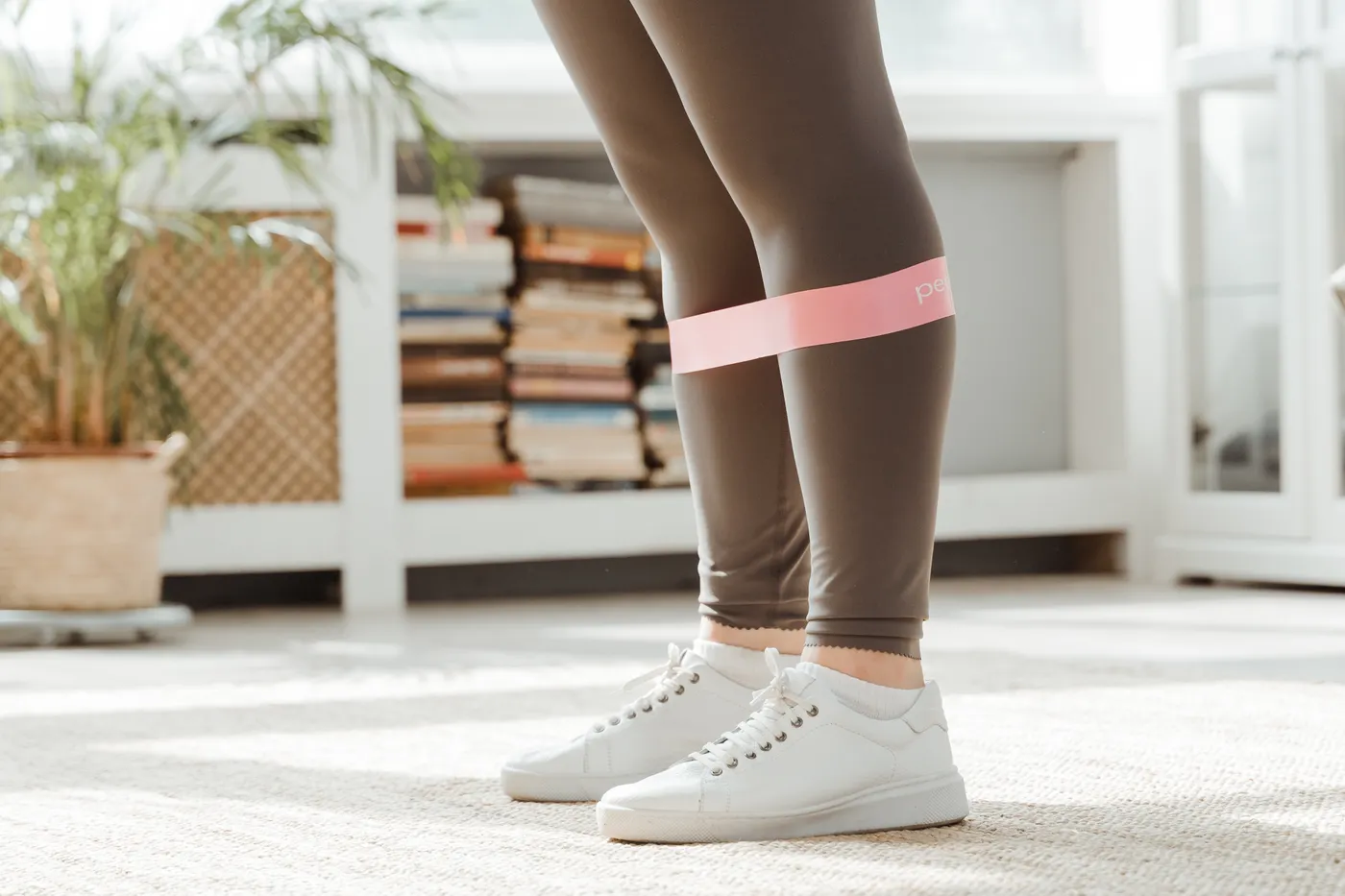
For a healthy lifter already doing two lower-body sessions weekly, begin by placing seated adduction near the end of one session. During week one, perform two sets of 12 to 15 controlled repetitions with roughly three repetitions left in reserve. Keep the starting stretch comfortable and write down the load, reps and any next-day soreness. The goal is to establish a repeatable baseline, not to prove toughness.
In week two, keep the same two sets and try to add one or two repetitions while maintaining tempo and range. If you comfortably reach the top of your chosen rep range in both sets, a small load increase is reasonable. Do not increase both load and range aggressively at the same time.
In week three, add a second weekly exposure only if your legs recover well. This could be two modest sets on each of two days, separated by at least a day. Alternatively, retain one machine session and add a short-lever Copenhagen hold after another workout. Avoid introducing several hard new adductor exercises at once because delayed soreness can be surprisingly noticeable.
In week four, review the log. Are you using more resistance or more controlled repetitions? Are squats, running and daily movement unaffected? If yes, maintain the minimum effective dose. If the inner thighs stay sore for several days or your main lifts suffer, reduce the accessory volume rather than assuming you need more intensity.
This is a conservative example, not a validated injury-prevention protocol. It fits ordinary hypertrophy practice: use repeatable sets, train near enough to fatigue to create a stimulus, and progress gradually. A few quality sets can be useful; there is no requirement to accumulate dozens of direct adductor sets each week.
Who benefits most, and when to leave it out
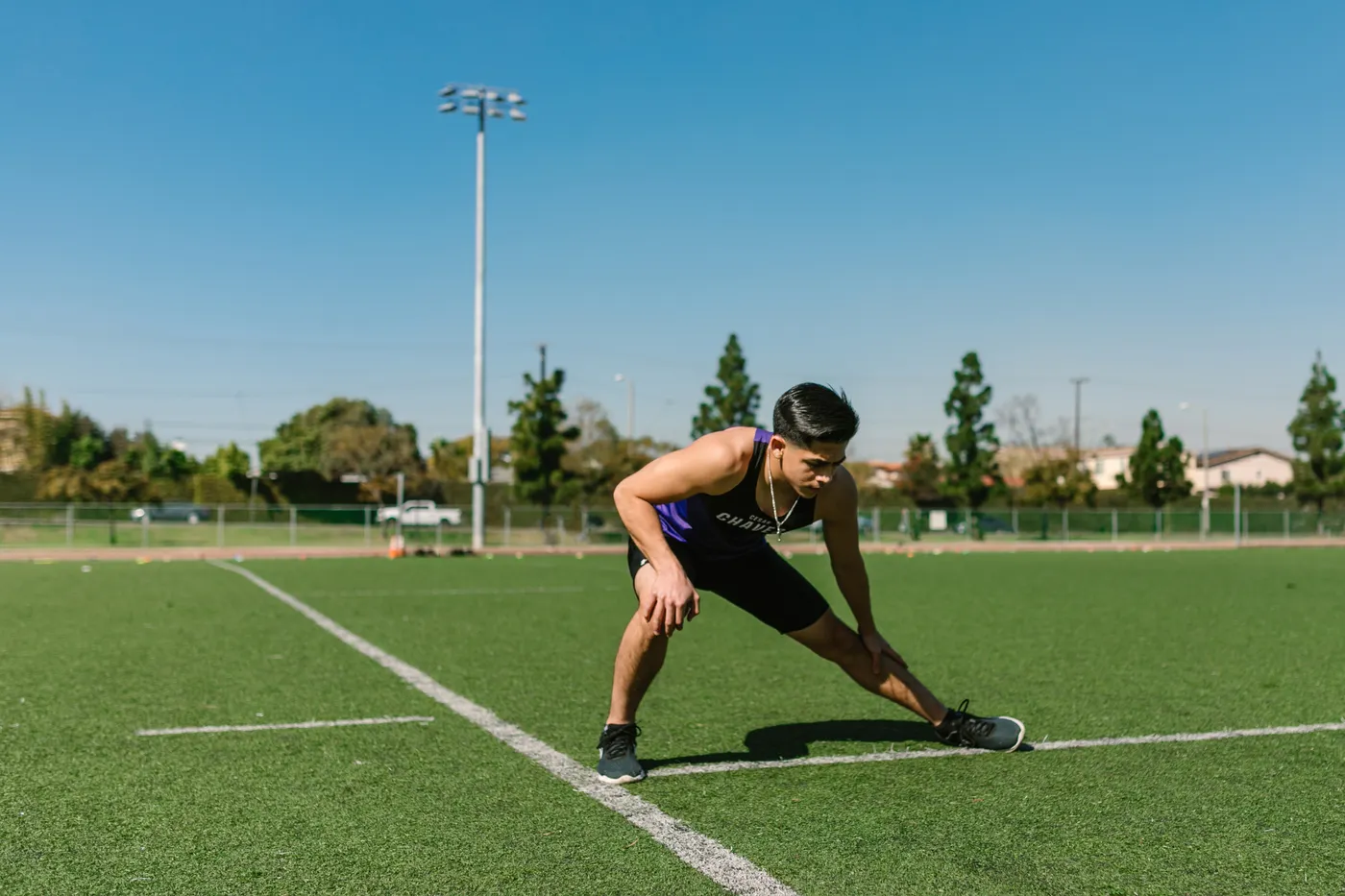
The clearest use case is a physique-focused lifter who wants more inner-thigh development without adding another exhausting squat or deadlift variation. The machine can also help someone who enjoys stable, predictable accessory work and wants a simple way to measure improvement. Athletes may use it as one part of broader adductor conditioning, but they still need sport-specific loading and coordination.
It is less compelling when your schedule is already crowded, your lower-body progress is steady and you have no particular reason to target adduction. An isolation machine is not automatically superior to free weights, nor does it compensate for poor recovery, insufficient nutrition or inconsistent training. The big picture still matters: sustainable training frequency, adequate protein and sleep, and progressive loading of major movements.
Be especially cautious if you feel a sudden pulling sensation, sharp groin pain, pinching deep in the hip or symptoms that persist beyond ordinary post-exercise soreness. Reduce or stop the provoking movement and seek appropriate professional guidance when needed. Training through an acute strain is not the same as progressively strengthening healthy tissue.
The adductor machine does not need a dramatic defense. It does one job: loading hip adduction in a supported position. That job can complement squats, hinges and lateral exercises, especially when targeted thigh growth is the goal. Use a comfortable range, keep the repetitions controlled, and judge its value by progress and tolerance rather than gym stereotypes.
Bottom line: for bigger and stronger legs, keep your compound training and consider a modest dose of direct adductor work. For groin resilience in sport, pair strength with progressive, specific movement. The best exercise is not the most impressive-looking one; it is the one that reliably improves the quality your program actually needs.
Bodybuilding Shirts & Workout Gear
Bodybuilding shirts, tanks and gym gear for lifters chasing muscle, size, symmetry and the pump.


Hippo Thrust Meme – Hip Thrusts & Leg Day , Gymbro, T-Shirt
Bring “Hippo Thrust Gym Meme” humor to your next gym day.

Don'T Fart Squats & Leg Day Memes Athletic Shirt Tank Top
Bring “Don't Fart Squats” humor to your next lifting session.

Leg Day Gains | LEGO Workout Sweater For Squats & Deadl T-Shirt
For laid-back days and leg-day humor: “Leg Day Gains”.

I Love Deadlifts Muscle | Funny Valentine's Gym Vest Fo Tank Top
Add some deadlift attitude to training with “I Love Deadlifts”.

Big Booty Energy Glute Lover Sweater Meme T-Shirt
For laid-back days and lifting humor: “Big Booty Energy”.

Juicy Booty – Bootybuilder Big Booty Gains – & T-Shirt
Make gym days more fun with “Juicy Booty” style.

Cutie With A Booty Decal Water Bottles & Gear Bunny Sticker
Bring “Cutie With a Booty” attitude to your water bottle or laptop.

Muscle Mommy – Squats & Leg Day Meme Princess, T-Shirt
Make gym days more fun with “Muscle Mommy” style.

Deadlift Lovers Grim Reaper Decal Water Bottles & Sticker
Bring “Deadlift Lovers Grim Reaper” attitude to your water bottle or laptop.