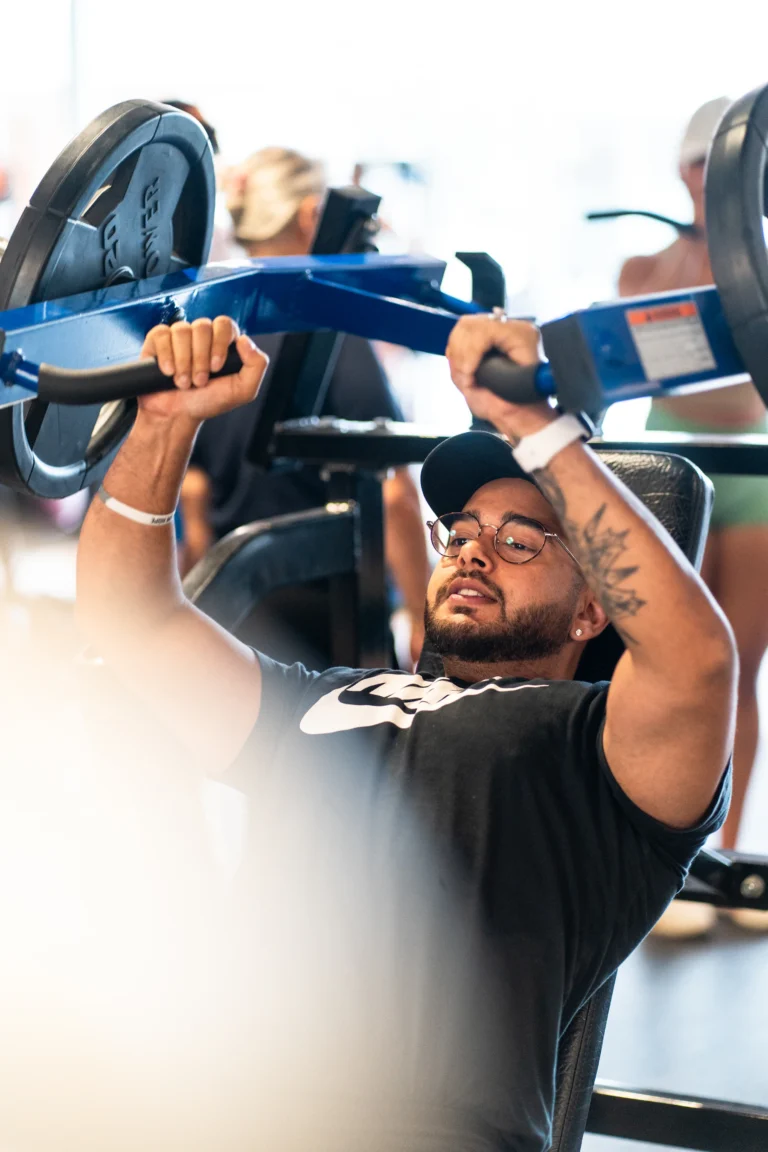
A week away from the gym can make your first session back feel strangely difficult. A month away can make familiar weights feel heavier and an easy run feel less easy. But those sensations do not mean your muscles have vanished or that months of training were wasted. Detraining is the gradual reversal of some adaptations when the stimulus that created them is reduced or removed, and its speed depends on what you trained, how active you remain and how long the break lasts.
The useful question is not simply, “How fast do I lose fitness?” It is which qualities change first, which tend to persist, and how to restart without turning one missed week into an injury or a discouraging month. The evidence is more nuanced than a universal countdown clock.
Detraining is a sliding scale, not an on-off switch

Stopping structured training does not always mean stopping movement. A lifter who takes ten days off heavy sets but still walks, climbs stairs and carries groceries is not experiencing the same inactivity as someone immobilized by illness. An endurance athlete who swaps intervals for relaxed cycling retains a different stimulus from someone who becomes completely sedentary.
Training adaptations are also specific. Your heart and blood vessels, muscles, connective tissues, nervous system and movement skills respond to different demands. A reduction in hard running may affect endurance markers before it meaningfully changes your ability to squat. Conversely, a person who stops lifting but keeps running can maintain cardiovascular fitness while gradually losing familiarity with heavy loads.
Initial training history matters. Beginners may experience rapid early gains in coordination and skill, so a brief pause can make the movement feel unfamiliar again. Experienced athletes often have a larger reserve of developed fitness, but a larger starting level can also make small changes noticeable. Sleep, energy intake, illness, age and the reason for the break further complicate any timeline.
That is why precise promises such as “all your gains disappear in two weeks” are misleading. Instead, think in ranges: days for some fluid-related sensations, weeks for measurable aerobic or performance changes, and often longer for substantial losses of trained muscle size. The individual trajectory can be much slower or faster.
The first two weeks: endurance can feel different before muscle shrinks
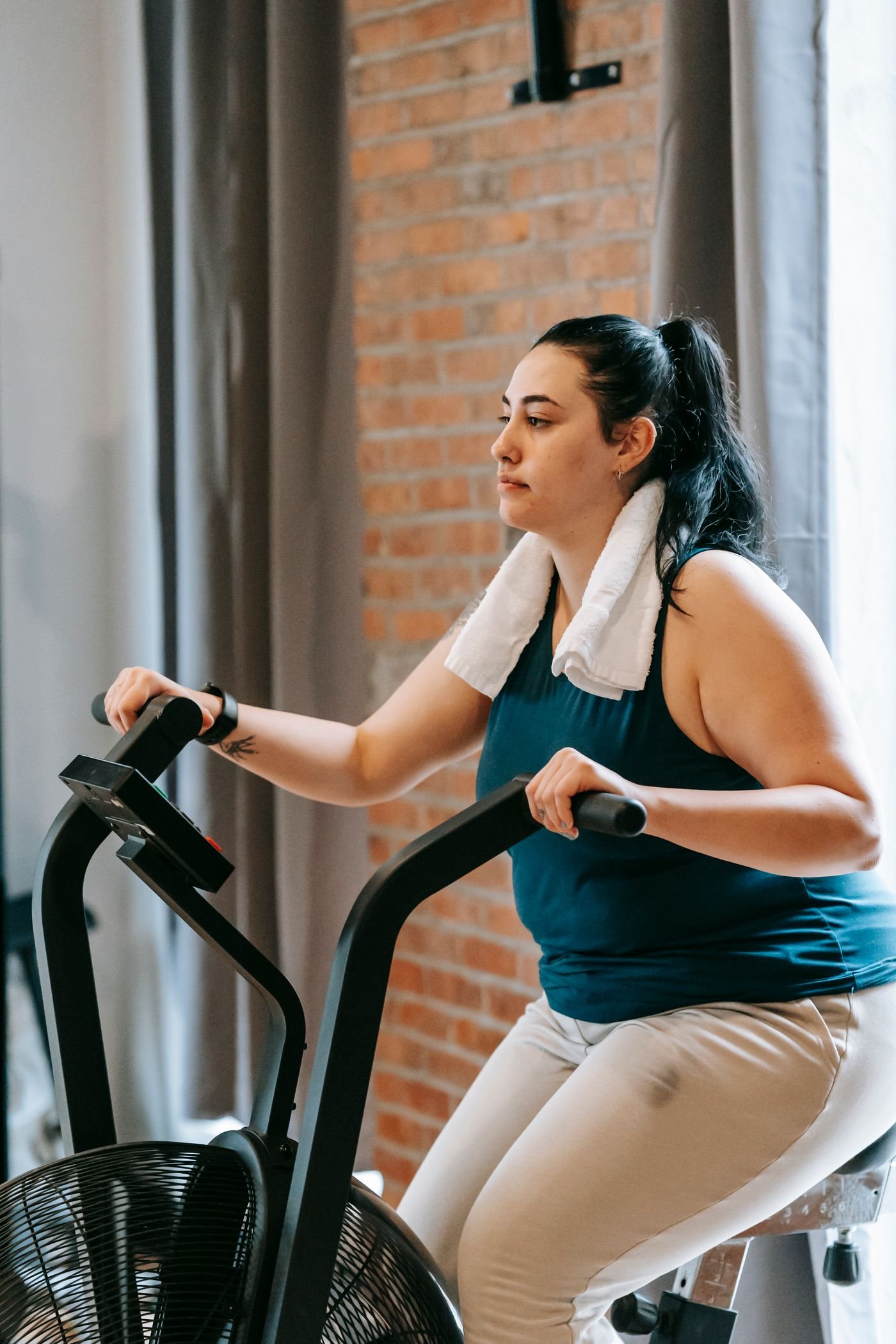
Cardiovascular performance can respond quickly when repeated endurance demands disappear. Blood plasma volume may decrease, which changes how much blood the heart pumps per beat during exercise. Even without a dramatic change in muscle tissue, the same running pace or cycling wattage can start to feel more demanding. That sensation is not proof that your whole aerobic system has collapsed.
One classic experiment followed seven endurance-trained people after they stopped intensive training. Their average maximal oxygen uptake was about 7% lower within the first three weeks, with a larger decline by later testing. This is a small study of already-trained athletes, not a reliable prediction for every recreational runner after a vacation. It does illustrate why endurance can become noticeably rusty relatively early.
Some of the immediate change is reversible. Normal fluctuations in hydration, glycogen storage, heat tolerance and fatigue can alter workout feel without reflecting durable fitness loss. An athlete returning from a demanding training block might actually feel better after several rest days because accumulated fatigue has dissipated.
When you resume, avoid testing your previous hardest intervals immediately. Start with an easy conversational session, compare perceived effort rather than chasing an old pace, and gradually add duration before aggressive intensity. If illness caused the break, return based on symptoms and medical guidance rather than a generic fitness timetable.
The key distinction is feeling slower versus being permanently less fit. A couple of lower-stress aerobic sessions can help you assess where you are without making the comeback itself an excessive workout.

Cardio Shirts & Workout Gear
Cardio and conditioning gym gear for runners, endurance athletes and anyone who earns the sweat.

Track Panther Pullover Hooded for Running Fitness Black Hoodie
Bring “Track Panther” gym humor to lazy days and post-workout plans.

Cardio Speed Superhero Gym Funny Treadmill Running Hood Hoodie
Make your off-duty look more fun with “Cardio Speed Superhero”.

Hybrid Athlete – HYROX Workout Checklist Gym Decal for Sticker
Give your everyday gear a playful “Hybrid Athlete” twist.

Van Halen Jump Rope Cardio Gym Muscle Shirt Athletic fo Tank Top
Train hard, laugh a little, and rep “Van Halen Jump Rope Cardio”.

Don't Quit Do It – Motivational Workout Decal for Gym B Sticker
Give your everyday gear a playful “Don't Quit Do It” twist.

Iron Man Triathlon Muscle Shirt Athletic Vest for Swim Tank Top
Your gym-day look, with a playful “Iron Man Triathlon” twist.

Cardio Is Hardio – Workout Meme Pullover Jumper T-Shirt
For laid-back days and cardio humor: “Cardio Is Hardio”.

Jump Rope Wonder Woman Gym | Funny Superhero Cardio Wor T-Shirt
For laid-back days and superhero humor: “Jump Rope Wonder Woman”.

Exercise Your Demons | Cardio Workout From Hell Muscle Tank Top
Add some cardio attitude to training with “Exercise Your Demons”.

Straight Outta Shape – Out Of Shape Meme Decal Water Sticker
Bring “Straight Outta Shape” attitude to your water bottle or laptop.
Weeks three to six: strength can feel rusty before size changes are obvious
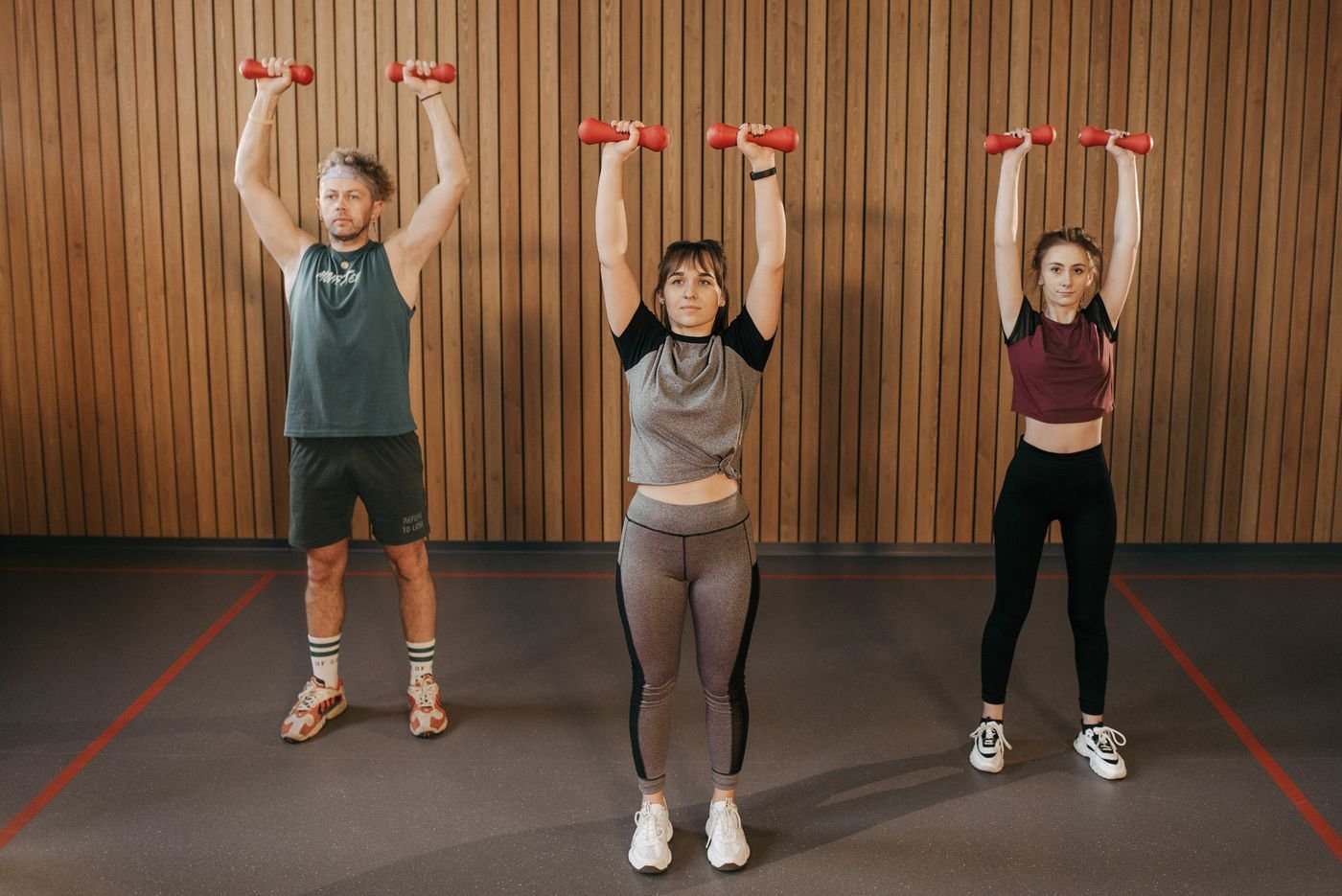
Strength is not just the amount of contractile tissue you possess. It also depends on recruiting muscle efficiently, coordinating joints, controlling a bar path and expressing force in a familiar movement. When practice disappears, a previously automatic lift can feel awkward even if your arms and legs look much the same.
That helps explain why your first heavy set after several weeks off may be slower or less stable. You may notice reduced tolerance for repeated hard sets, less reliable bracing, or a smaller number of reps at an old working weight. These are meaningful performance changes, but they should not be treated as a direct measurement of muscle lost.
A systematic review of resistance-training detraining found that outcomes vary with break length, the population studied and the measure used. Strength and muscle size do not necessarily decline at identical rates. Short interruptions can preserve a substantial portion of previous adaptations, while longer inactivity generally increases the likelihood of losses. There is no single percentage that applies equally to trained lifters, novices and older adults.
Visual changes are particularly easy to misread. Lower muscle glycogen and the water stored with it can make muscles look flatter. A different pump, lighting or body-weight fluctuation can magnify that impression. Neither a flat-looking biceps nor a single disappointing set proves meaningful atrophy.
Use a conservative first session as a diagnostic: leave two to four repetitions in reserve, perform fewer hard sets than usual and judge technique before load. If the second workout already feels more coordinated, part of the initial drop was likely familiarity and fatigue management rather than lost tissue.

Equipment Worth Exploring
Explore equipment, accessories and gear from our carefully selected range.


Power Tower
Freestanding pull-up and dip station with adjustable handles for bodyweight training.


Apple Watch Ultra 3
Rugged 49 mm smartwatch with cellular connectivity, GPS and fitness tracking.
Two to three months: the adaptations begin to separate

As a break extends into months, more of the systems built by training can move toward their pre-training state. Endurance adaptations involving stroke volume and muscle oxidative enzymes may decline. In the small endurance experiment, maximal oxygen uptake was around 16% below the trained starting level by roughly eight weeks, yet it remained higher than in never-trained controls even after twelve weeks. The result argues against both extremes: fitness is not indestructible, and it does not instantly reset to zero.
Resistance-training adaptations may also weaken with a prolonged absence of loading. Muscle size, local endurance and force production can decline, particularly when daily activity and nutrition are poor. But the precise magnitude depends on age, training experience, the muscles tested, and whether the person is completely inactive or simply doing less.
Do not extrapolate from immobilization studies to a healthy person who takes a long holiday while walking every day. Bed rest and limb casting create unusually strong reductions in muscle use. Equally, do not assume that keeping a daily step count is enough to maintain maximal strength or high-intensity endurance. Each capacity benefits from some continued practice of the demand that created it.
For athletes who know a busy period is coming, a reduced maintenance schedule is often more realistic than an all-or-nothing choice. One or two concise lifting sessions, a couple of easy aerobic outings, or even brief bouts of demanding bodyweight work can preserve useful exposure. The exact minimum varies, but the principle is clear: maintaining some stimulus is easier than rebuilding after complete cessation.
Rest, illness and everyday activity are different situations

Planned recovery should not be confused with detraining from months of inactivity. A short deload can reduce accumulated fatigue while preserving movement patterns. An injured athlete may need to stop one painful exercise but can sometimes continue safe training for other regions. Someone recovering from a viral illness faces different considerations from a healthy lifter returning after travel.
If you are healthy and simply short on time, prioritize continuity over the perfect program. Two brief full-body sessions can cover squat or lunge, hip hinge, push and pull patterns. Walking and occasional aerobic work help maintain general activity. Keep the exercises familiar and the effort challenging enough to matter, without making every session a maximal test.
If you are injured, use symptom-guided modifications and professional advice where appropriate. Pushing through sharp pain to avoid losing gains can prolong the interruption. If fever, chest symptoms, unusual breathlessness or persistent systemic fatigue accompanied the break, do not treat a generic return-to-gym schedule as medical clearance.
Nutrition is another variable. Sufficient energy and dietary protein support normal recovery and muscle maintenance, but eating extra protein cannot fully replace resistance exercise. Likewise, a single hard “catch-up” workout does not undo weeks of inactivity. Consistent exposure is more useful than punishment.
One practical habit is to label the break accurately: planned recovery, reduced training, injury-related restriction, or complete inactivity. That description gives you a better starting point than counting calendar days alone.
Muscle memory exists, but its practical meaning is still being tested

The encouraging part of a return to lifting is that previously trained muscle may retain biological traces of past work. In a 2024 human experiment, twelve participants trained one arm for ten weeks, stopped for sixteen weeks and then retrained. Some muscle fibers retained elevated numbers of myonuclei even after their size declined. That finding supports a cellular form of memory, but the researchers did not establish a clear advantage in the rate of subsequent muscle growth.
A separate 2025 experiment followed thirty participants across training, a ten-week break and retraining or a comparison training schedule. Several muscle proteins induced by training returned toward baseline during the break, while others remained elevated. These retained molecular signals offer another plausible mechanism for muscle memory, but they do not establish a universal timetable for regaining strength or size.
Movement skill is another kind of memory. A lifter who has practiced a squat for years may regain the groove faster than someone learning it for the first time. That practical advantage should not be confused with proof that lost muscle automatically returns at a fixed accelerated rate. Rebuilding still requires progressive loading, food, sleep and time.
Rather than using “muscle memory” as permission to start at your old maximum, treat it as a reason to be patient and optimistic. Your previous experience can guide exercise selection and technique, while your current performance should determine today’s weight and volume.
Equipment Worth Exploring
Explore equipment, accessories and gear from our carefully selected range.


FID Bench MAX
Adjustable bench offering flat, incline, and decline positions + adjustable headrest.

VOLTRA
Compact digital cable trainer with smooth, adjustable resistance.

Go-Tone Pro
Portable digital cable trainer with up to 66 lb (30 kg) of adjustable resistance.


A four-week comeback plan after a training break

For a generally healthy person returning after several weeks away, the safest useful approach is to re-establish frequency first, then volume and intensity. This example assumes no unresolved injury or illness and is not a substitute for individualized medical clearance.
Week 1 — rebuild rhythm. Lift twice, leaving about three repetitions in reserve. Use roughly half to two-thirds of your previous hard-set count, not necessarily half the weight. Choose familiar exercises such as a squat or leg press, hinge, press, row and a small amount of core work. Add two easy aerobic sessions of 15–25 minutes if comfortable. Stop well before technique deteriorates.
Week 2 — add repeatable work. Keep two or three lifting sessions, add a set to the main patterns if soreness and recovery are manageable, and extend one easy aerobic session modestly. Resist the temptation to compensate for missed weeks with failure sets, surprise maxes or high-volume conditioning.
Week 3 — reintroduce purposeful challenge. Work toward your normal exercise menu, using two to three hard but controlled sets for the main lifts. If easy cardio feels stable, introduce a few short moderate efforts while preserving plenty of easy work. Compare several sessions, not one day’s peak performance.
Week 4 — reassess rather than assume. Review training logs, repetitions in reserve, pace at a familiar effort, soreness and motivation. Increase loads when technique and repeatability justify it. If progress is slower than expected, keep the current dose another week instead of forcing the old numbers.
For longer breaks, older trainees, significant deconditioning or persistent symptoms, stretch the progression over more weeks and seek appropriate professional guidance. The purpose of the plan is to make the next month of training sustainable, not to win the first session back.
Bottom line: aerobic performance can change within weeks, lifting performance can feel rusty before substantial muscle loss, and longer inactivity gradually erodes more adaptations. Yet a break rarely erases everything. The best comeback is controlled, specific and consistent enough to build on.
Bodybuilding Shirts & Workout Gear
Bodybuilding shirts, tanks and gym gear for lifters chasing muscle, size, symmetry and the pump.


Chasing Gains Nevermind Sticker
Give your everyday gear a playful “Chasing Gains Nevermind” twist.

First Progressive Overload President Theodore Roosevelt T-Shirt
Add a playful “First Progressive Overload President” touch to your casual rotation.

Time To Lift Sweatshirt
Keep things casual with a little “If You're Reading This It's Time To Lift” attitude.

Neverest – Muscle Mountain Workout Hooded Pullover Hoodie
Stay casual and show some lifting attitude with “Neverest”.

I Want You To Break Your PR – Patriotic Uncle Sam Muscl Tank Top
Add some lifting attitude to training with “I Want You To Break Your PR”.


Off-Season Rest Day & Meme Fans Athletic Shirt Tank Top
Add some lifting attitude to training with “Off-Season Rest Day”.