Advertising disclosure: This page includes affiliate links that may earn us a commission at no additional cost to you.
Eating for strength and sport can become unnecessarily expensive when every meal is treated as a special fitness product. A convenient protein bar, a ready-made rice bowl and a single-serve drink may solve today’s problem, but buying all three every training day can make the weekly food bill difficult to sustain. The solution is not to eat as little as possible. It is to buy enough food to support training, choose inexpensive sources of useful nutrients and spend convenience money where it genuinely helps.
A useful budget is one that still works when you are tired, busy or hungry. Here is how to compare foods, create flexible meals and avoid the expensive cycle of buying ingredients that never get eaten.
Compare the cost of a useful protein serving
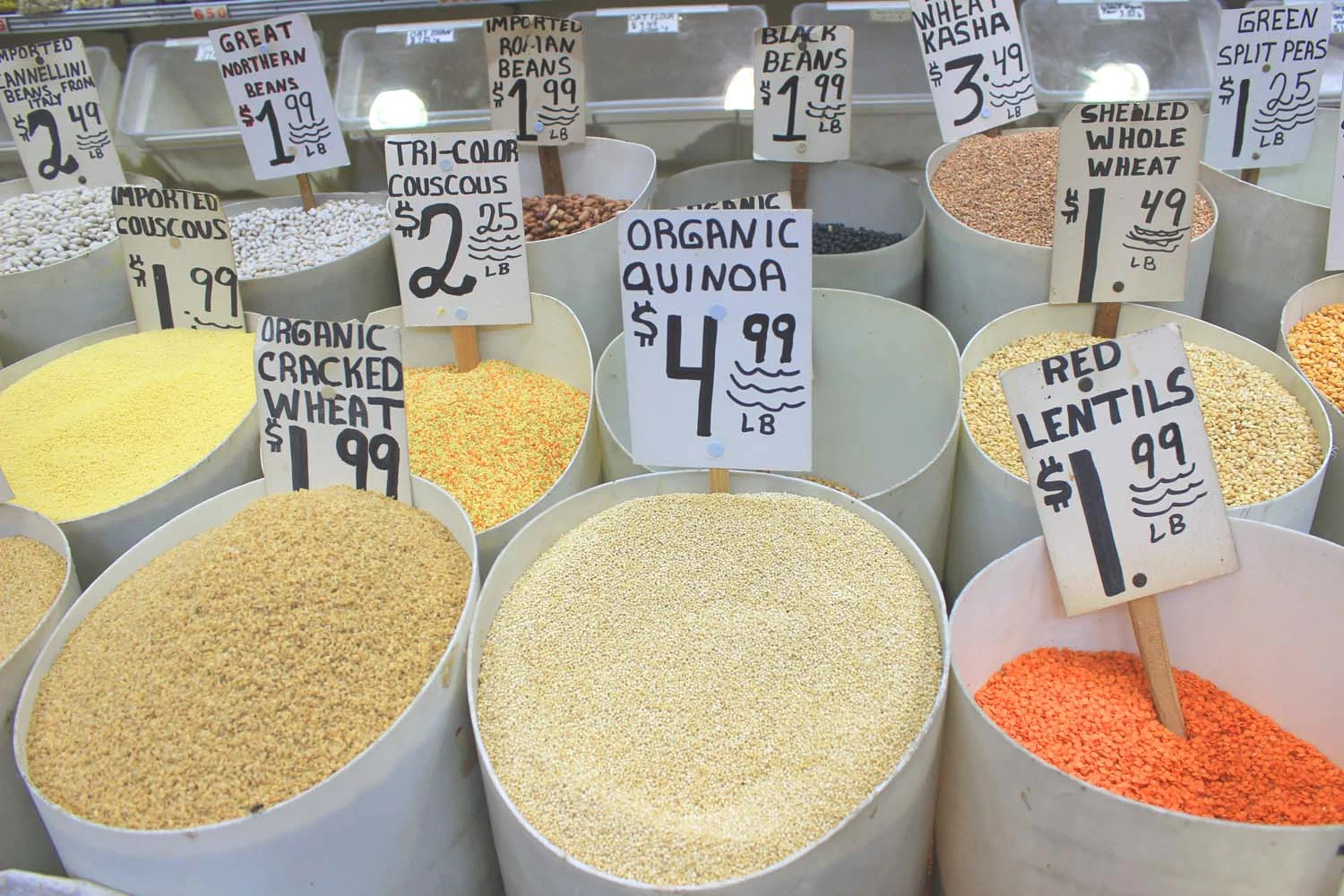
Start with the price of the amount of food you actually need, rather than the price printed on the front of the packet. A large bag can appear cheap while delivering relatively little protein per serving. Conversely, a small packet of concentrated protein can look expensive but offer several useful servings. Compare like with like using the nutrition label, edible weight and preparation instructions.
Imagine two foods in a hypothetical shop. Food A costs $4 for 500 grams and contains 20 grams of protein per 100 grams. The entire packet contains 100 grams of protein, so a 25-gram protein serving costs $1. Food B costs $3 for 250 grams at the same protein concentration. Its packet contains 50 grams of protein, so the same 25-gram protein serving costs $1.50. These are invented prices to illustrate the calculation, not current grocery prices. Real prices and labels will differ.
For canned food, use the drained weight when the label refers to drained contents. For meat, be careful about comparing raw and cooked nutrition values; cooking changes water content and therefore the amount of protein shown per 100 grams. With dry legumes, remember that cooked beans absorb water. A serving of dry lentils and the same weight of cooked lentils are not nutritionally equivalent.
This calculation is a screening tool, not a complete ranking of food quality. Calcium, iron, fiber, essential fats and overall energy matter too. A cheaper protein option is not necessarily the better purchase if you cannot tolerate it, have to discard half the package or need to buy expensive extras to make it into a meal. Compare the cost of an entire plate you will actually enjoy.
Build a protein base without buying premium foods
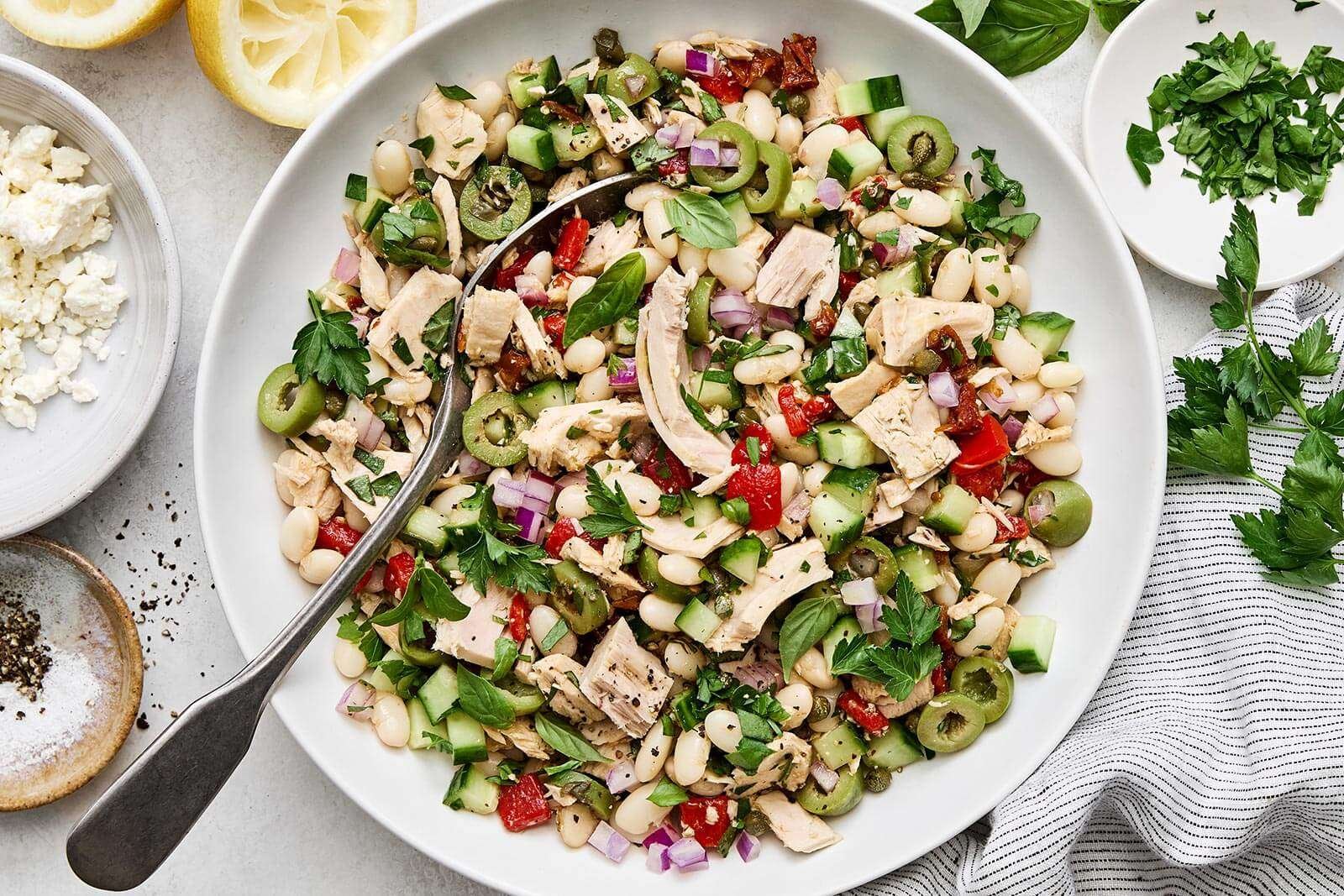
For many healthy exercising adults, a daily protein intake of about 1.4 to 2 grams per kilogram of body weight is a reasonable evidence-based range. A 75-kilogram person would therefore be looking at roughly 105 to 150 grams per day. Individual needs depend on training, overall energy intake and personal circumstances. There is no need to make every meal a laboratory-perfect calculation: spreading protein across several meals is usually easier than trying to catch up at night.
Choose two or three inexpensive staples that suit your local shops and cooking habits. Eggs, dried or canned beans, lentils, tofu, plain yogurt, milk, canned fish and chicken can all have a place. Compare labels and unit prices instead of assuming that one food is always cheapest. A meal combining beans with rice and a serving of yogurt, for example, offers a different nutritional profile from a plate of chicken and vegetables. You can use either depending on what is available.
Keep a shelf-stable emergency option. Canned fish or beans can become lunch without a separate shopping trip. When choosing fish frequently, vary the species; canned light tuna, salmon and sardines are generally lower in mercury than albacore tuna. People who are pregnant, breastfeeding or feeding children should follow the specific local fish-consumption guidance for their circumstances. This is a reason to rotate choices, not to avoid fish altogether.
Do not automatically replace ordinary food with supplements. Protein powder can be economical per serving in some markets and is useful when you cannot conveniently prepare a meal. But compare the price per protein serving and remember that the powder does not supply the full nutritional variety of meals. If buying it would leave you short of money for sufficient calories or produce, it is not solving the most important problem.

Funny Gym Shirts & Workout Gear
Funny gym shirts, tanks, hoodies and workout gear for lifters who like training hard.

Powered By Chicken Broccoli Rice Bro Meme Athletic Tank Top
Bring “Powered By Chicken Broccoli Rice” humor to your next lifting session.

Meat Mountain – Steak Sausage Meme Pullover Jumper T-Shirt
Add a playful “Meat Mountain” touch to your casual rotation.

Funny Sushi Gains Gym | Foodie Bodybuilding Hooded Pull Hoodie
Stay casual and show some lifting attitude with “Sushi Gains”.

Pizza and Weights Retro Cartoon Crewneck and Foodies T-Shirt
Show some gym-day personality with “Pizza and Weights Retro Cartoon”.

Extra Fries Meme Decal Water Bottles & Gear Sticker
Stick a little “Extra Fries” humor on your favorite gear.


Eat More Whole Foods Donuts – Junk Food Meme Vest Muscl Tank Top
Add some donut-loving attitude to training with “Eat More Whole Foods Donuts”.

Wheysted Gym | Funny GTA Parody Workout Decal | Whey Pr Sticker
Give your everyday gear a playful “Wheysted” twist.

Protein Scarface Gym Meme for Bodybuilders, Lifters & M Sticker
Give your everyday gear a playful “Protein” twist.

Snack Panther Bulking Superhero Decal Workout Gym Meme Sticker
A fun “Snack Panther” touch for bottles, laptops, and lockers.
Budget for carbohydrates and the rest of your diet
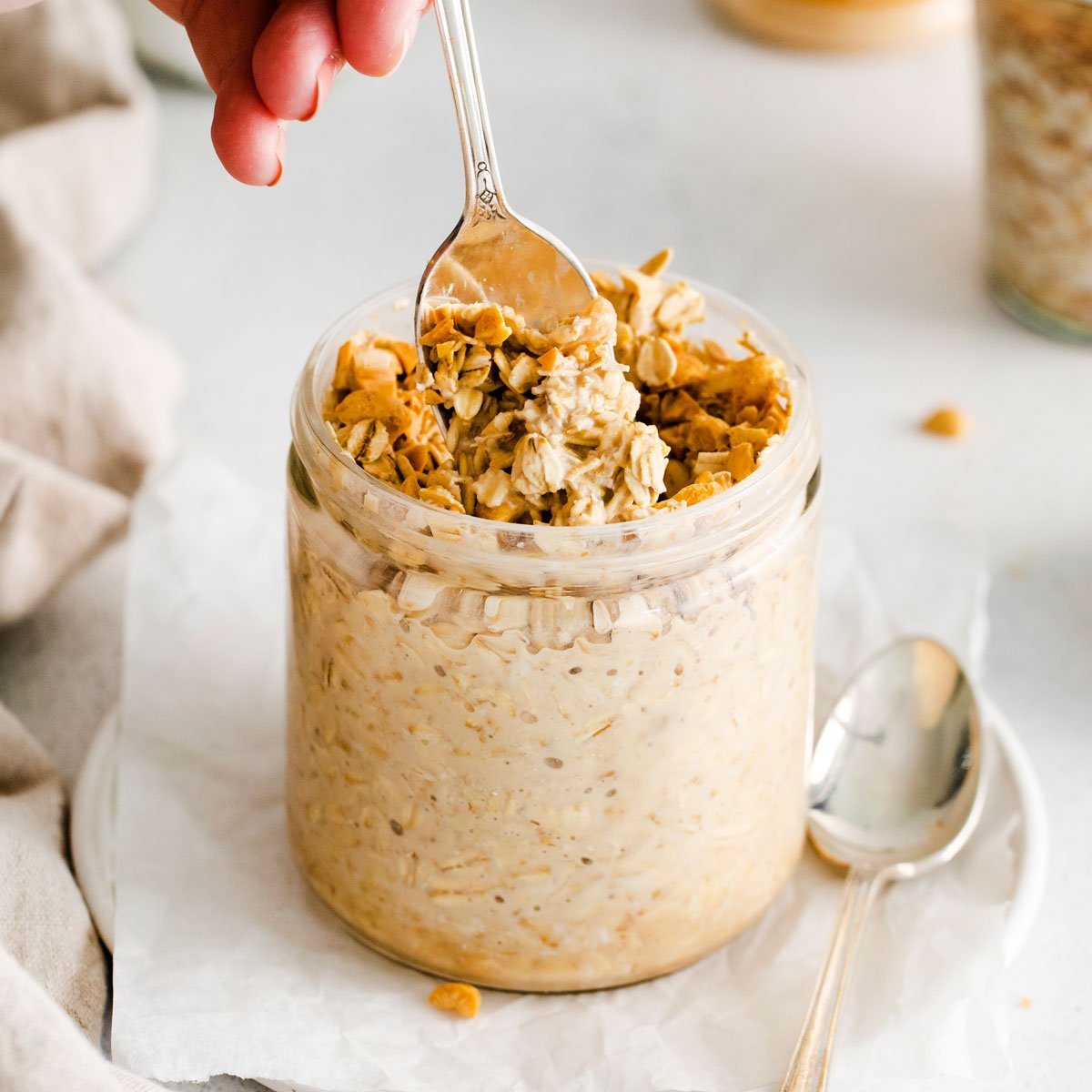
A protein-only shopping strategy misses another major requirement: energy to train. Carbohydrate-rich staples such as oats, rice, pasta, bread and potatoes can help make a training diet more affordable. The amount that makes sense depends on how much exercise you do, its intensity and your goals. An athlete completing a long endurance session has different demands from someone doing a short gym session twice a week.
For an early workout, an easy breakfast might be oats with milk and a banana, with a protein-rich addition if needed. For an evening session, a regular lunch containing rice or bread and a protein source can reduce the need to buy a special pre-workout snack. If a meal is too close to training and causes discomfort, adjust portion size, timing or food choices. Long or especially demanding sessions may require additional carbohydrate during exercise; ordinary short sessions do not automatically require sports drinks or gels.
Also leave room in the budget for fats and produce. A small amount of cooking oil, nuts or seeds where affordable can increase the energy density of meals. Frozen fruit or vegetables may be practical if fresh produce often spoils before you can use it. Buying the largest package is not helpful if it leaves you with nothing to eat for the next few days: distribute spending across the week and keep enough money for replenishing perishables.
If you are unintentionally losing weight, feeling persistently exhausted or recovering poorly, review whether you are eating enough overall. Do not use budget planning as a reason to ignore hunger or signs of inadequate fueling. Persistent concerns deserve individualized advice from a qualified healthcare professional or sports dietitian.
Use the freezer to make shopping less risky
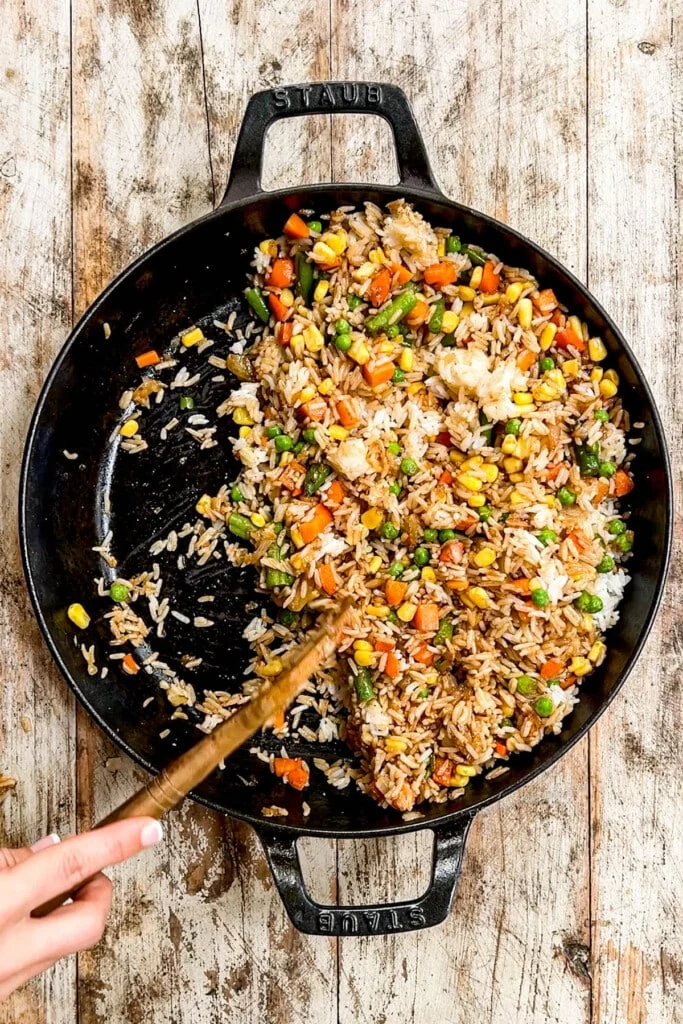
Food waste is a hidden cost of an athlete’s grocery bill. The cheapest fresh vegetables are not cheap if they are thrown away on Friday. Frozen produce can be portioned out as needed, while canned beans and tomatoes are useful when plans change. Dry rice, pasta and lentils give you additional options without requiring a full refrigerator. Combining a few shelf-stable foods with frozen and fresh items is often more resilient than buying seven completely different meals at once.
Use a simple inventory before shopping: check what must be eaten soon, what can be frozen and what is already available in the cupboard. Build two meals around those ingredients before choosing new ones. If you buy a large pack of chicken, portion and freeze what you will not cook soon. If you buy vegetables for a stir-fry, consider using some of the same vegetables in a bean stew or omelet.
Cooked food needs safe storage, regardless of how convenient a week’s meal prep sounds. Cool leftovers promptly in shallow containers and refrigerate at 4°C (40°F) or below. Many cooked leftovers should be used within three to four days; freeze portions intended for later rather than keeping seven days of cooked meals in the refrigerator. Follow food-specific storage guidance, and transport packed lunches in a way that maintains safe temperatures.
Label containers with the preparation date. Freeze meals in portions instead of one huge block so you can thaw only what you need. Having a clear view of the freezer contents also reduces duplicate purchases. If you share a kitchen, agree on a designated space for prepared meals; a system you can maintain beats a complicated one that collapses after a few days.
Build a repeatable meal-prep rhythm

Rather than planning every meal from Monday to Sunday, choose a few interchangeable components. On your main cooking day, make a grain or potato base, prepare one or two protein options and portion vegetables. In the middle of the week, replenish fresh ingredients and thaw a frozen meal when required. For example, chicken and rice can become a bowl with vegetables on one day and a wrap on another. Lentils can form the base of a soup or be added to a tomato sauce. The point is variety without requiring a new shopping list for each recipe.
A hypothetical training day could begin with oats, milk and fruit, continue with a bean-and-rice lunch and finish with chicken or tofu, potatoes and vegetables. Depending on your needs, yogurt or another convenient snack may fill the gap. Choose portion sizes using your own training demands rather than treating this menu as a fixed calorie prescription. Keep sauces and seasonings inexpensive and versatile so that eating the same staple twice does not feel like eating the same meal twice.
At the end of the week, compare what you planned with what you actually ate. Which purchases saved you a takeaway? Which foods sat unopened? Did you run out of your preferred breakfast before the next shopping day? Those questions reveal where to adjust spending more effectively than a generic list of cheap superfoods. Track the cost of a normal week rather than celebrating a single unusually cheap day that you cannot repeat.
The strongest budget strategy is not a rigid menu or a race to find the lowest protein price. It is a dependable supply of satisfying food that supports training, gives you flexibility and minimizes waste. Start with a few meals you already like, improve one purchasing decision at a time and keep the savings that make your routine easier to sustain.