Advertising disclosure: This page includes affiliate links that may earn us a commission at no additional cost to you.
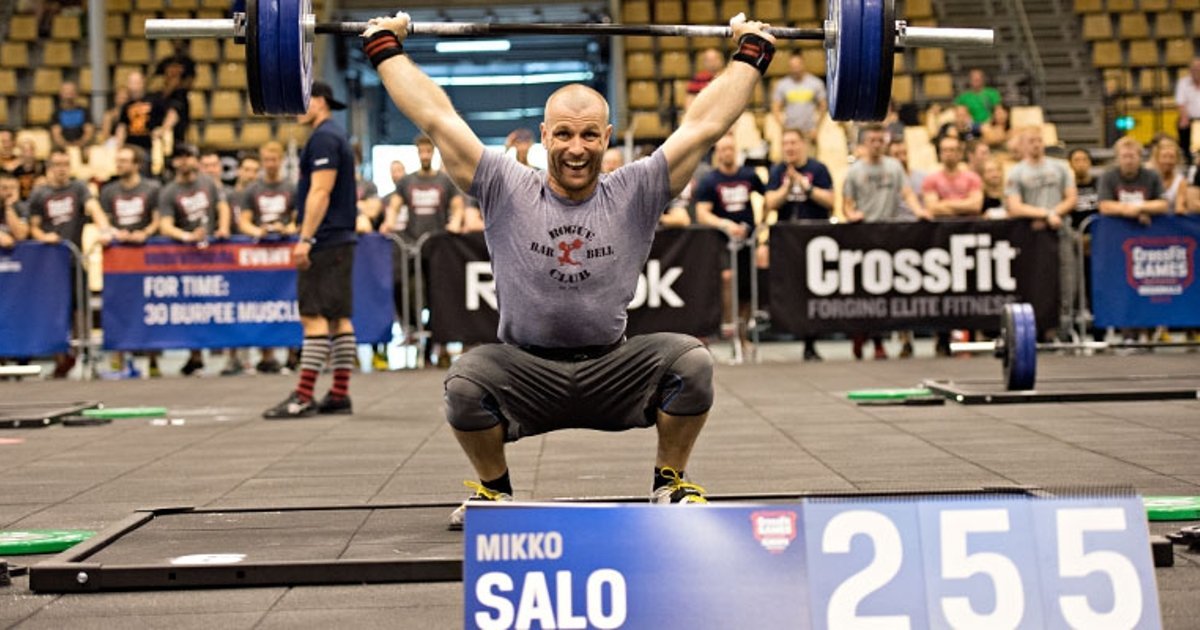
Mikko Salo’s 2009 CrossFit Games victory was not a story of winning every event. The Finnish firefighter built a championship across very different tests, then finished by winning the final workout. That combination of breadth, resilience and a strong finish makes his career more useful to study than a highlight reel of one spectacular lift.
There is also a distinction between learning from an athlete and copying his workload. Salo’s competition history and later coaching comments offer ideas about developing conditioning alongside strength and skill. They do not establish that his complete training schedule is appropriate for another person. The useful question is which part of your own fitness is holding back the rest.
A championship can include an imperfect event
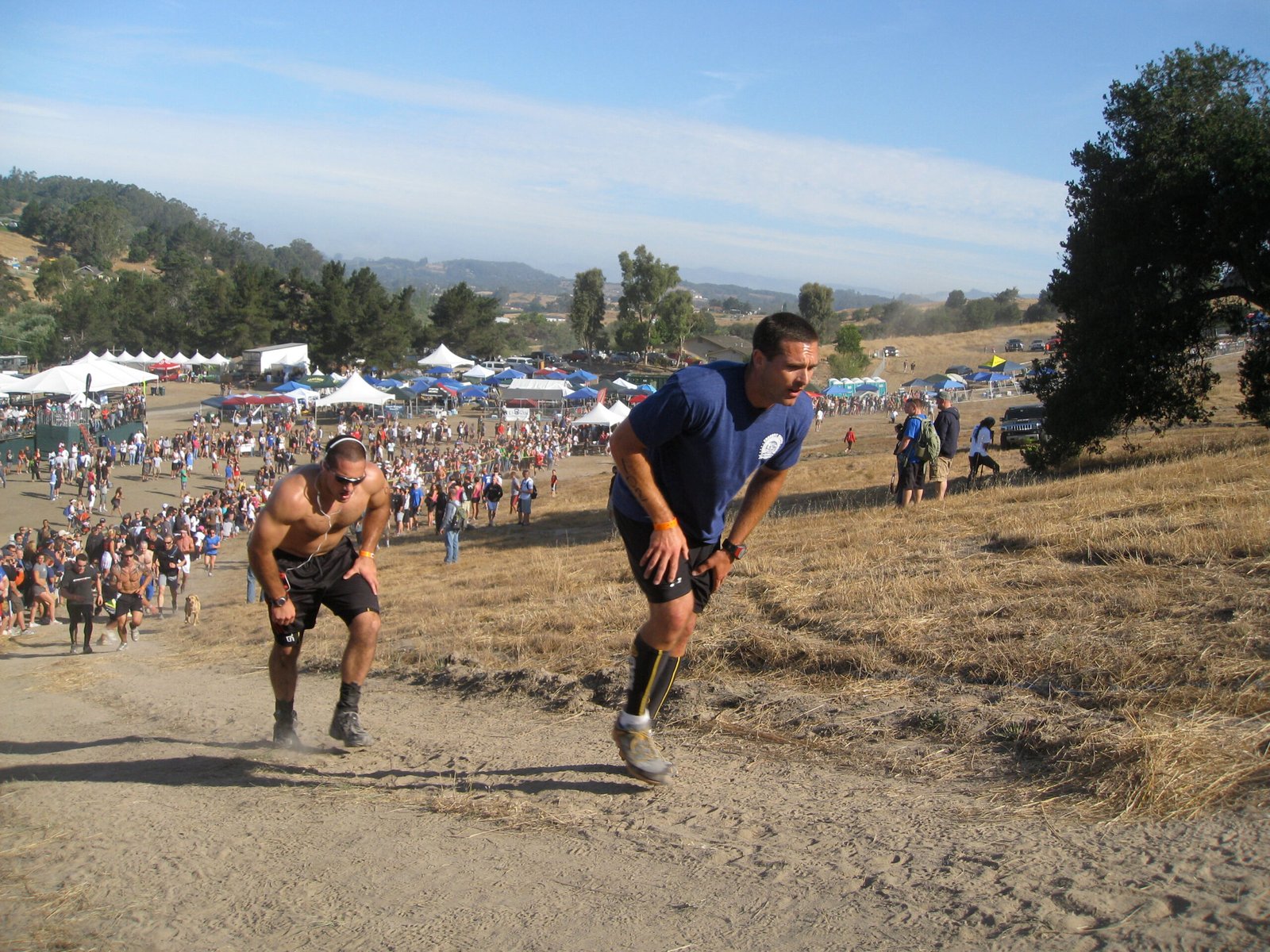
Salo won the 2009 CrossFit Games in Aromas, California, ahead of Tommy Hackenbruck and Moe Kelsey. The competition tested a mixture of running, lifting and gymnastics rather than one fixed discipline. His result therefore reflected his performance across a demanding collection of tasks, not simply his best movement.
His event placings were uneven. He finished second in the opening workout, placed well outside the leaders in another event, and won the final workout. The important point is that an awkward result did not make the remaining events irrelevant. The whole competition still had to be completed.
That is a better model for reviewing a mixed training week than demanding a personal best every time you arrive at the gym. A disappointing interval session does not erase a useful strength session. A good lift does not prove that your conditioning needs no attention. Look at the pattern rather than using the most recent result to judge everything.
The comparison has limits. A competition can reward continuing through several events because all of them contribute to a ranking. Ordinary training has a different purpose: building capacity over time. A session that needs adjusting because you are unwell or unable to maintain the planned movement should not become a test of whether you are as determined as a champion.
Use competitive consistency as a question about preparation. Can you perform the relevant tasks repeatedly, with standards you understand? That is more informative than deciding you need to work harder simply because a single result looked poor.
Build an engine without turning every session into a race
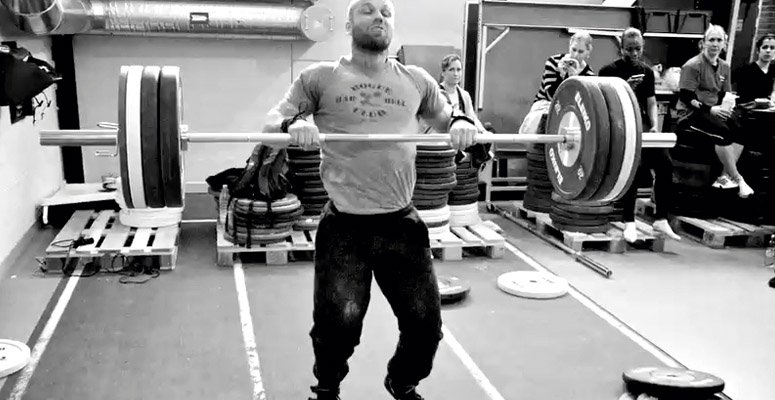
In a 2017 discussion of his coaching approach, Salo described developing an aerobic base while continuing strength and skill work. More sport-specific conditioning followed that foundation. The idea was a sequence of development, not a claim that one brutal workout could replace the rest of a program.
For a general trainee, the distinction starts with the purpose of a session. A controlled conditioning effort, a short maximal test and a mixed workout performed under fatigue are different tasks. They may use similar equipment, but that does not make them interchangeable. Decide which ability you want to observe before choosing the format.
Machines can make this easier to track, provided you keep the setup and measurement consistent. Record the machine, duration, workload and recovery rather than writing only that the session felt hard. A rowing result should not be compared directly with a bike result merely because both displays use calories.
Salo later became associated with Mikko’s Triangle, a machine-based format involving a bike, rower and ski ergometer. That illustrates a way to organize conditioning; it is not a requirement to own three machines or to chase an advanced athlete’s output. Published versions and training programs need their own context.
A practical starting point is to distinguish practice from testing in your log. If the purpose is to repeat a manageable effort, judge whether you achieved that purpose. Save comparisons with previous hard tests for sessions where the conditions actually support a comparison.
Strength and skill remain separate jobs
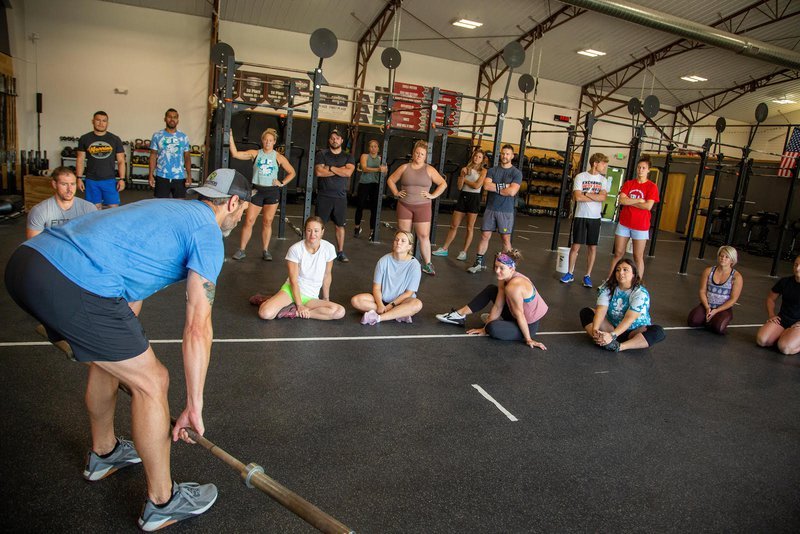
Salo’s mixed-fitness background does not reduce every movement to a test of endurance. A loaded clean, a pull-up and a running interval ask different questions of the athlete. Improving one can be valuable without automatically solving a limitation in the others.
This becomes especially clear when fatigue changes the movement. Being able to lift a weight once does not establish that you can repeat it accurately after several minutes of other work. Equally, completing a workout quickly does not tell you that the movement was performed to a consistent standard.
Keep some practice specific enough to identify the problem. If a gymnastic movement is unfamiliar, learn the relevant progression rather than hiding it inside a long circuit. If a lift becomes inconsistent, review the setup and load. More repetitions of a pattern you cannot control are not automatically better practice.
A coach or training partner can help by giving feedback about a particular action rather than offering a general demand for more effort. Ask whether the starting position, range of motion or transition changed. A specific observation gives you something to address during the next attempt.
The goal is not to make all your abilities equal or to pursue a competitive movement you do not need. Choose the skills that fit your actual goals. Salo’s example is useful because it shows several abilities being developed together, while still leaving each one a distinct task to practice.

Equipment Worth Exploring
Explore equipment, accessories and gear from our carefully selected range.


Power Tower
Freestanding pull-up and dip station with adjustable handles for bodyweight training.
Work, recovery and a champion’s training volume
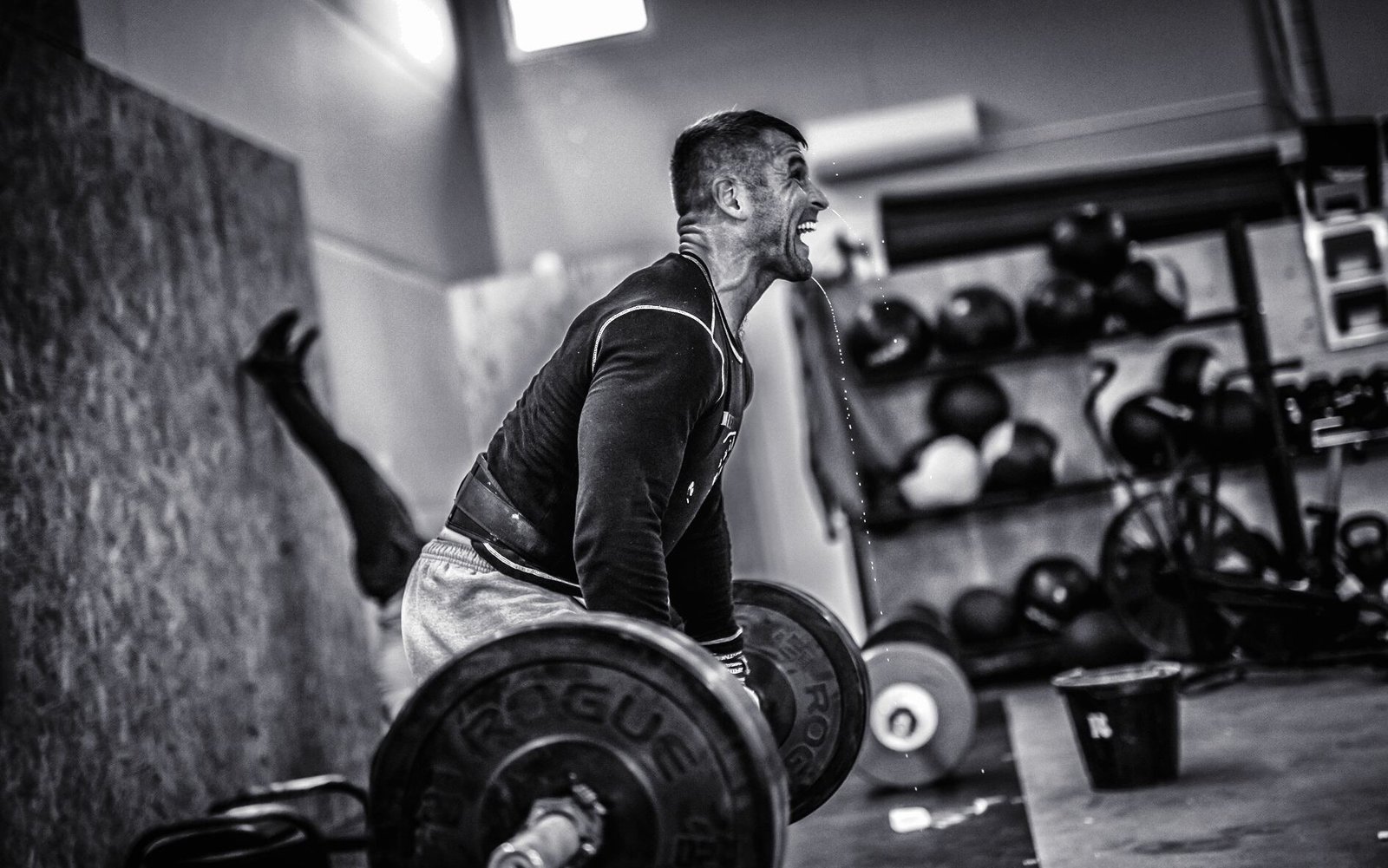
Firefighting has been a longstanding part of Salo’s life alongside sport. It is a real context for his athletic story, but it should not be turned into a claim that a physically demanding job removes the need for recovery or makes high-volume training suitable for everyone.
Historical interviews described multiple training sessions on some days. Those descriptions belong to a particular athlete and period. They do not give you his complete workload, every adjustment around work, or all the support behind a successful season. A short interview cannot serve as an individualized plan.
In the same 2017 discussion, Salo also acknowledged taking additional rest when he felt it was needed. Keeping that detail beside the description of hard training gives a more complete picture. Selecting only the largest workload from an athlete’s history can distort the approach you are trying to understand.
For someone balancing training with work, a useful plan needs room for the week that actually happens. Consider travel, shift patterns and the practical time needed to get to the session. A schedule that repeatedly demands time you do not have can make consistency harder before exercise selection even becomes an issue.
That does not produce one universal rule about how many days to train. It encourages an honest review of what you can repeat. The goal is a plan you can carry out, assess and adjust, rather than an impressive schedule that exists mostly on paper.
Use a small review to find the next priority
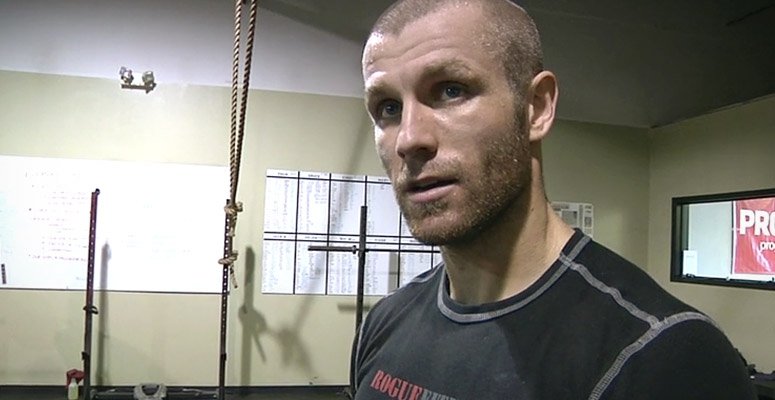
The most transferable part of Salo’s story is a way to think about broad fitness. Pick a few meaningful tasks that represent your goals, then review them separately. A strength movement, a controlled conditioning effort and a relevant skill can reveal more than one exhausting workout that mixes everything together.
Keep the comparison fair. Note the exercise version, the equipment, the range of motion, the work duration and the rest. If those details change, record the change rather than treating a different result as proof of progress or decline. A log is useful when it preserves context.
Next, identify one limitation you can address without turning the entire program upside down. Perhaps a transition is unfamiliar, your pacing varies widely between rounds, or a lift loses its usual shape when the load rises. A narrow question makes the next session easier to plan and the result easier to interpret.
Do not assume that the weakest-looking number deserves all your attention. A skill may be irrelevant to your goals, or a result may reflect an unusual day rather than a persistent limitation. Look for a repeated pattern and consider advice from someone qualified to assess the movement or training plan.
Salo’s 2009 title belongs to a remarkable athlete and a specific competition. You do not need to reproduce his event list, workload or ambitions to find value in it. Prepare for the tasks that matter to you, preserve the distinction between practice and testing, and judge progress from a repeatable body of work.

Funny Gym Shirts & Workout Gear
Funny gym shirts, tanks, hoodies and workout gear for lifters who like training hard.

Hybrid Athlete – Strength & Endurance Gym Decal for Run Sticker
Put “Hybrid Athlete” gym humor on your laptop, bottle, or gym gear.

Rowing – Dost Thou Even Row Medieval Knight Pullover fo Hoodie
Show off your medieval humor in a laid-back “Rowing” hoodie.

Gym Dost Thou Even Pedal Medieval Air Bike Humor for Cr Tank Top
Bring “Dost Thou Even Pedal Medieval Air Bike” humor to your next lifting session.


Lift Together Grow Stronger for Gym Buddies Who Train T T-Shirt
Show some gym-day personality with “Lift Together Grow Stronger”.

Meme – You May Delay Time Will Not Next Cult Brand T-Shirt
Heavy lifts, good laughs, and a little “You May Delay Time Will Not” energy.

Gym Equation Makes Me Happy Kettlebell Meme Graphic Fit T-Shirt
Heavy lifts, good laughs, and a little “Gym Equation” energy.