Slow negatives are a familiar lifting cue: take three, four or even five seconds to lower the weight, then lift it again. A slower rep feels harder, makes light weights demanding and can expose sloppy control. But feeling more tension does not prove more muscle growth. Three questions are often mixed together: what lowering speed does to fatigue during a session, what it does to recovery afterward, and whether it changes the adaptations that accumulate over weeks.
The practical answer is not “always lower slowly” or “move everything as fast as possible.” It is to choose a repeatable lowering speed that suits the exercise, keeps the intended muscles working and allows enough challenging training to be completed.
What a slow negative actually means
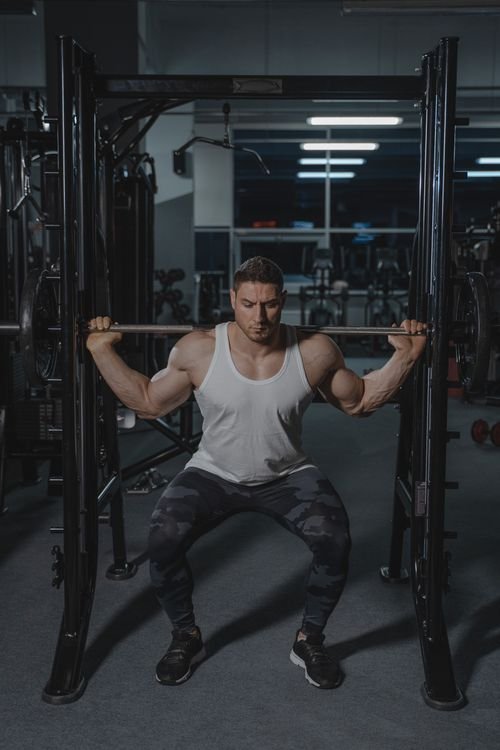
Every conventional repetition has a concentric phase, when the working muscle shortens while overcoming the load, and an eccentric phase, when it lengthens while resisting the load. Standing up from a squat is predominantly concentric for the knee and hip extensors; descending is eccentric. Raising a dumbbell during a curl is concentric for the elbow flexors; lowering it is eccentric. The movement can be controlled even when the lowering phase is relatively quick.
Tempo notation is useful, but conventions vary. In a common four-number scheme, the numbers describe eccentric seconds, pause at the bottom, concentric seconds and pause at the top. Under that convention, 3-0-1-0 means three seconds down, no pause, roughly one second up and no pause before repeating. An X sometimes means an intentional fast upward effort rather than a precise time. These numbers describe the goal; real repetitions will vary slightly.
Two details complicate comparisons. First, ten repetitions with four-second negatives last much longer than ten with one-second negatives. Second, load and repetition count often change when tempo changes. A four-second negative at a previously challenging weight may cause earlier fatigue and fewer completed reps. Those differences make it misleading to attribute every training outcome to speed alone.
For ordinary hypertrophy training, start by lowering deliberately without exaggerating the count, reverse direction where mobility and control allow, and lift with purposeful effort. The objective is to own the range of motion, not to win a stopwatch contest.
What the 2026 evidence says about fatigue and recovery
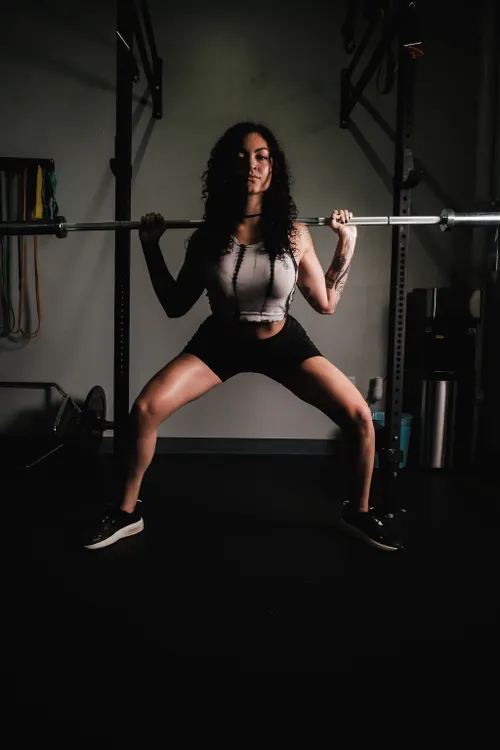
A 2026 synthesis of 17 experimental studies examined how eccentric-phase duration affected immediate neuromuscular responses and recovery for up to seven days. It assessed acute exercise bouts, not long-term muscle growth. Faster eccentric conditions, including phases under one second or roughly one to three seconds, more often coincided with immediate fatigue and temporary performance reductions. Moderate and slower phases, around three to ten seconds across the included protocols, tended to increase time under tension, perceived exertion and some metabolic responses.
Those categories are not a ranking of “best” or “worst.” Exercises, contraction structure, loads and work performed differed, and the overall risk of bias was moderate. When total work or loading was matched, some tempo-related differences diminished. A harder-feeling set is not automatically a more productive set, and a higher soreness score is not a direct measure of growth.
Immediate fatigue also differs from next-day readiness. An unusually slow negative can make a familiar movement feel novel, particularly when the total duration of the set increases. Initial discomfort may reflect unfamiliar loading rather than a superior stimulus. A single sore session is a poor basis for a permanent tempo rule.
Treat tempo as a dose variable. If a new cadence reduces useful repetitions, changes the load or compromises the next workout, count that trade-off. If it improves positional control without sacrificing productive work, it may be worth keeping. Record load, repetitions, approximate effort and cadence together; “felt brutal” is not a substitute for those measurements.

Equipment Worth Exploring
Explore equipment, accessories and gear from our carefully selected range.


FID Bench MAX
Adjustable bench offering flat, incline, and decline positions + adjustable headrest.


Do slower negatives actually build more muscle?
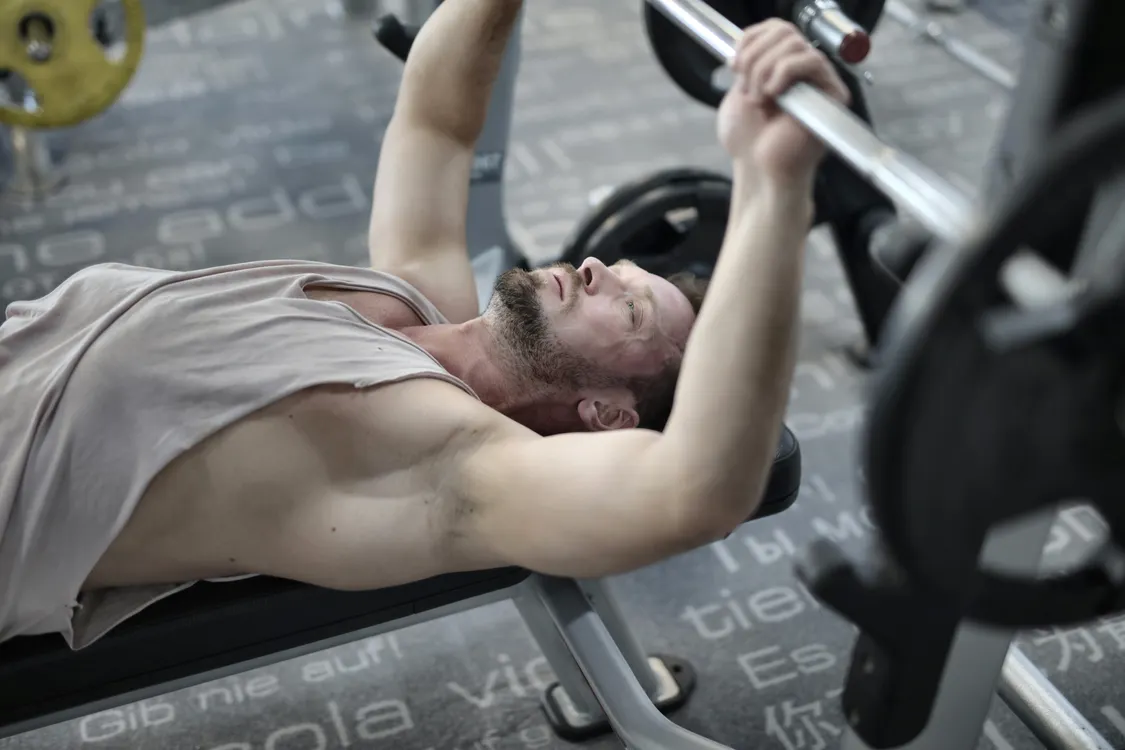
Long-term hypertrophy evidence does not support a universal slow-negative advantage. A 2025 synthesis pooled 14 studies comparing faster and slower repetition tempos while controlling other training variables. Its overall between-condition estimate was small and uncertain; the average influence of tempo on muscle growth appeared minimal within the tempos investigated. An earlier eight-study analysis likewise found broadly similar growth across repetition durations of roughly half a second to eight seconds. Neither result means that every speed is identical in every exercise.
One small seven-week squat trial involving 18 participants found greater changes in some quadriceps and strength outcomes with a four-second lowering phase than with a one-second phase. Another elbow-flexor study reported similar muscle-thickness increases with faster and slower eccentric phases despite a strength difference favoring slower lowering. Small trials can reveal exercise-specific possibilities, but they should not be treated as universal proof when broader evidence is mixed.
Muscle growth depends on sufficiently challenging loading accumulated over time, with exercise selection, progression and recovery influencing the result. Slowing a negative can improve technique and extend tension during a rep. It can also require a lighter weight, shorten a set or lengthen a session. None of those consequences alone proves superiority. Likewise, a relatively fast but controlled negative is not automatically “cheating.”
A sensible hierarchy is to use a productive range of motion, maintain stable technique, reach an appropriate effort level, accumulate recoverable challenging sets and progress over time. Then adjust the negative to solve a specific problem. If you bounce at the bottom of a curl or drop a bench press, slowing the descent may improve work quality. If you already control the movement, forcing every rep to last five seconds is optional rather than mandatory.

Bodybuilding Shirts & Workout Gear
Bodybuilding shirts, tanks and gym gear for lifters chasing muscle, size, symmetry and the pump.

Mind Muscle Connection Science Based Lifting Gains T-Shirt
Bring “Mind Muscle Connection” humor to your everyday gym style.

Hypertrophy Stoic Sigma Greek God Marble Sculpture T-Shirt
Bring “Hypertrophy Stoic Sigma Greek God Marble” humor to your next gym day.

Progressive Overload Milo Tee
Bring “Progressive Overload Milo Bull” humor to your next gym day.

Control Your Gains Stoic Greek God Marble Sculpture T-Shirt
Make gym days more fun with “Control Your Gains Stoic Greek God Marble” style.

Gymhead – Mind Muscle Connection – Skull , & Meme T-Shirt
Rep “Gymhead” humor in and out of the gym.

Break The Stereotype Girl – Strong Woman Dumbbell – T-Shirt
Make gym days more fun with “Break The Stereotype Gym Girl” style.


Gymhead – Lifting On My Mind , Meme Shirt, Top T-Shirt
Bring “Gymhead” humor to your next gym day.

Strength and power require a different tempo conversation
Maximal strength, power and muscle size overlap, but they are not identical goals. A power-focused athlete needs to produce force quickly. Deliberately slow concentric repetitions can conflict with that objective, even when a heavy bar actually moves slowly because the load is high. The intention to accelerate a weight is different from the measured speed of a near-maximal lift.
The lowering phase has its own demands. Descending too quickly in a heavy squat may make balance and position harder to maintain. Lowering every squat for six seconds can create fatigue that interferes with planned heavy work. A technically consistent descent of roughly one to three seconds is often a useful starting point for general strength sets, but the exact duration depends on the lift, load and individual. Olympic-style lifting, reactive jumps and deliberately explosive drills have timing demands unlike slow accessory work.
Research on eccentric-only training also needs interpretation. Being able to resist more load while lowering than while lifting does not mean everyone should attempt maximal eccentric overload without assistance or specialized equipment. The load must still be returned safely, and extra eccentric loading changes tissue stress and recovery demands. Comparing eccentric-only with concentric-only training is not the same experiment as changing the lowering time during ordinary repetitions.
Use tempo to protect the intended training quality. For heavy barbell work, prioritize bracing, consistent depth and a purposeful upward drive. For a controlled accessory movement, a slightly longer negative may make it easier to prevent momentum. For explosive training, preserve the speed characteristics required by the exercise rather than importing a bodybuilding cadence.
Choosing tempo for squats, presses, rows and curls
Squats: descend under control, maintain pressure through the feet and keep a stable torso. A two- or three-second descent can teach someone who dives into the bottom position, but it need not become a permanent requirement. A pause at depth is a separate programming choice that changes the transition and usually the load. Use appropriate safeties, and do not turn an already difficult set into a balance experiment.
Bench presses: lower the bar predictably to a consistent touch point while keeping the upper back organized. A controlled negative can discourage bouncing. If a longer descent makes you lose position or substantially reduces productive reps, return to a natural cadence. Solo barbell pressing requires properly positioned safety arms or a setup that permits a safe failed repetition.
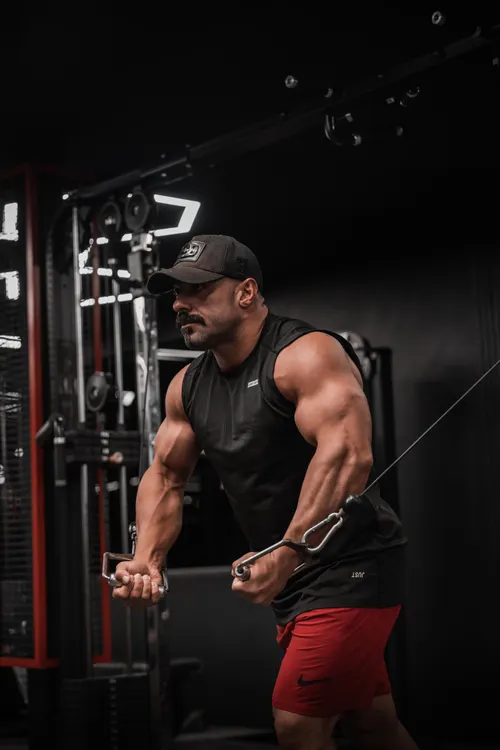
Rows and pulldowns: allow the arms and shoulder blades to move through a useful range without abruptly releasing the resistance. A modestly slower return can prevent the torso from jerking or the weight stack from slamming. Cables make it convenient to maintain tension, but an artificially slow return should not require compensatory lower-back movement.
Curls, lateral raises and triceps work: smaller exercises are good places to experiment with a two- to four-second negative because loads are manageable and control is easy to observe. Keep the joint path comfortable and avoid swinging to finish reps the target muscles can no longer complete. For lateral raises, do not force a painful range just to satisfy a prescribed count.
Deadlifts: deliberate lowering does not require an exaggerated negative. A Romanian deadlift uses a controlled hip hinge and meaningful eccentric range. A heavy conventional deadlift may be returned more directly, depending on the goal and environment, while maintaining safety. Slow lowering is not better technique when spinal position or grip is deteriorating.
Across all five movement families, choose the shortest cadence that reliably preserves the intended motion and tension. Increase the count only if it solves a real problem, such as uncontrolled bouncing, swinging or an inconsistent lowering path.
Equipment Worth Exploring
Explore equipment, accessories and gear from our carefully selected range.
VOLTRA
Compact digital cable trainer with smooth, adjustable resistance.

Go-Tone Pro
Portable digital cable trainer with up to 66 lb (30 kg) of adjustable resistance.
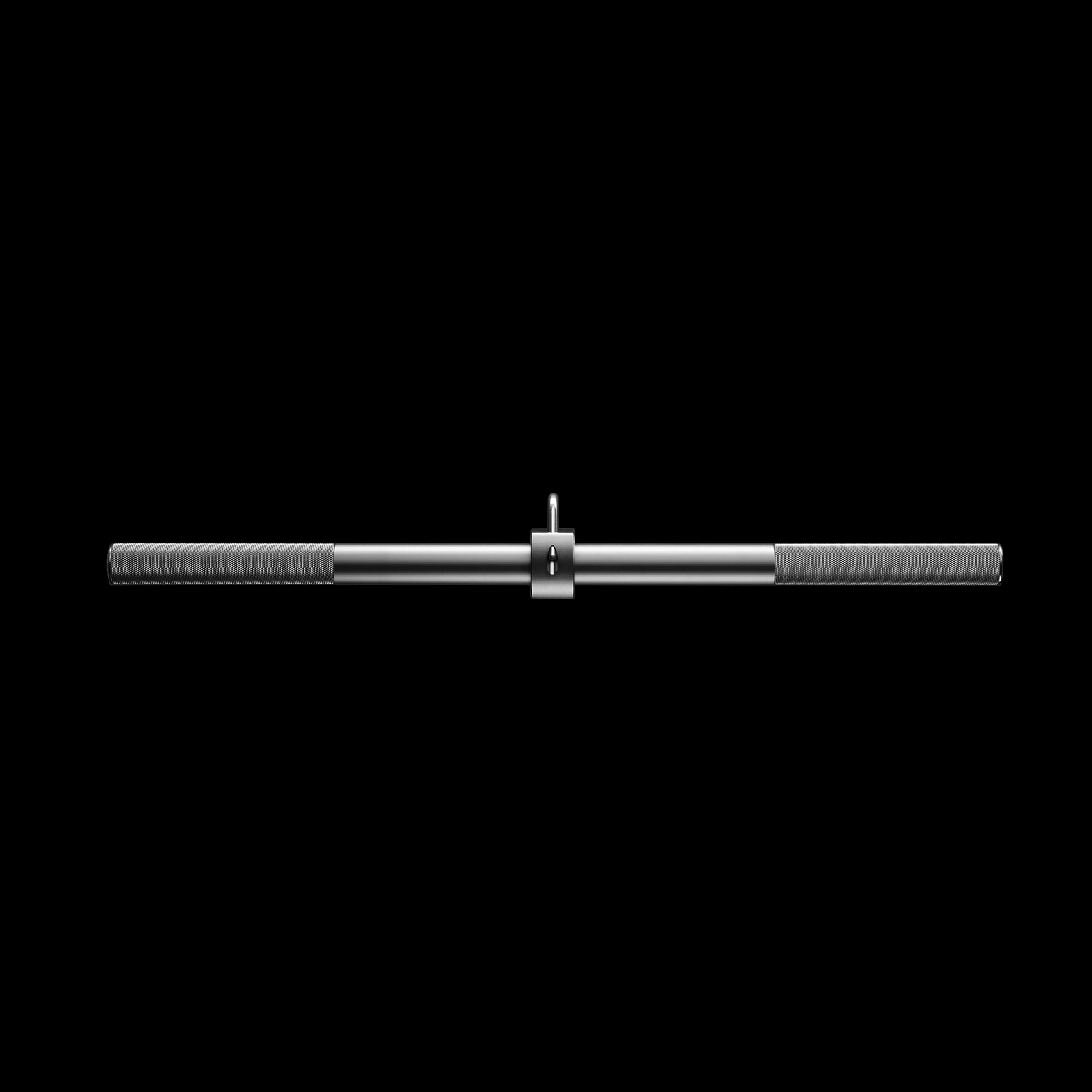
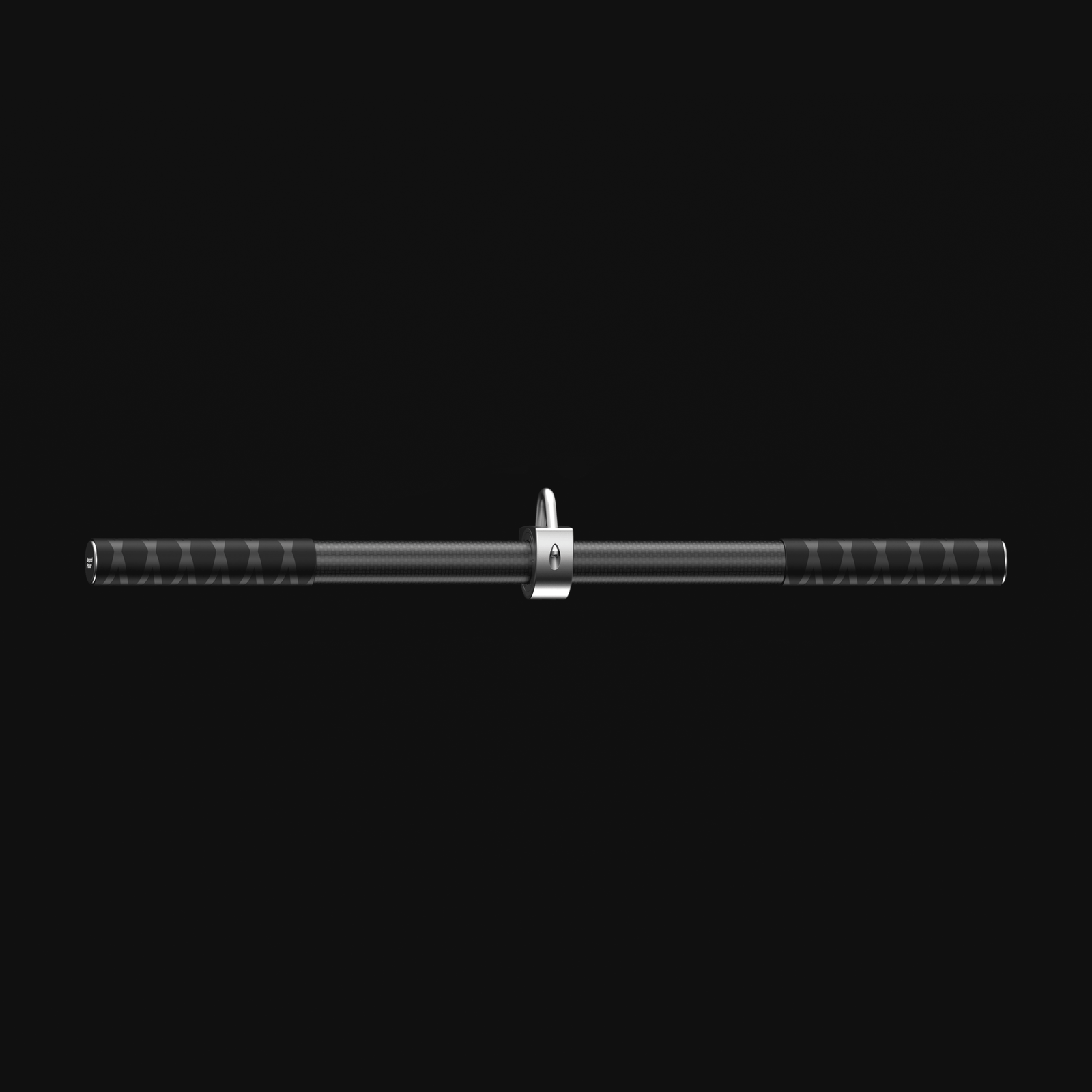
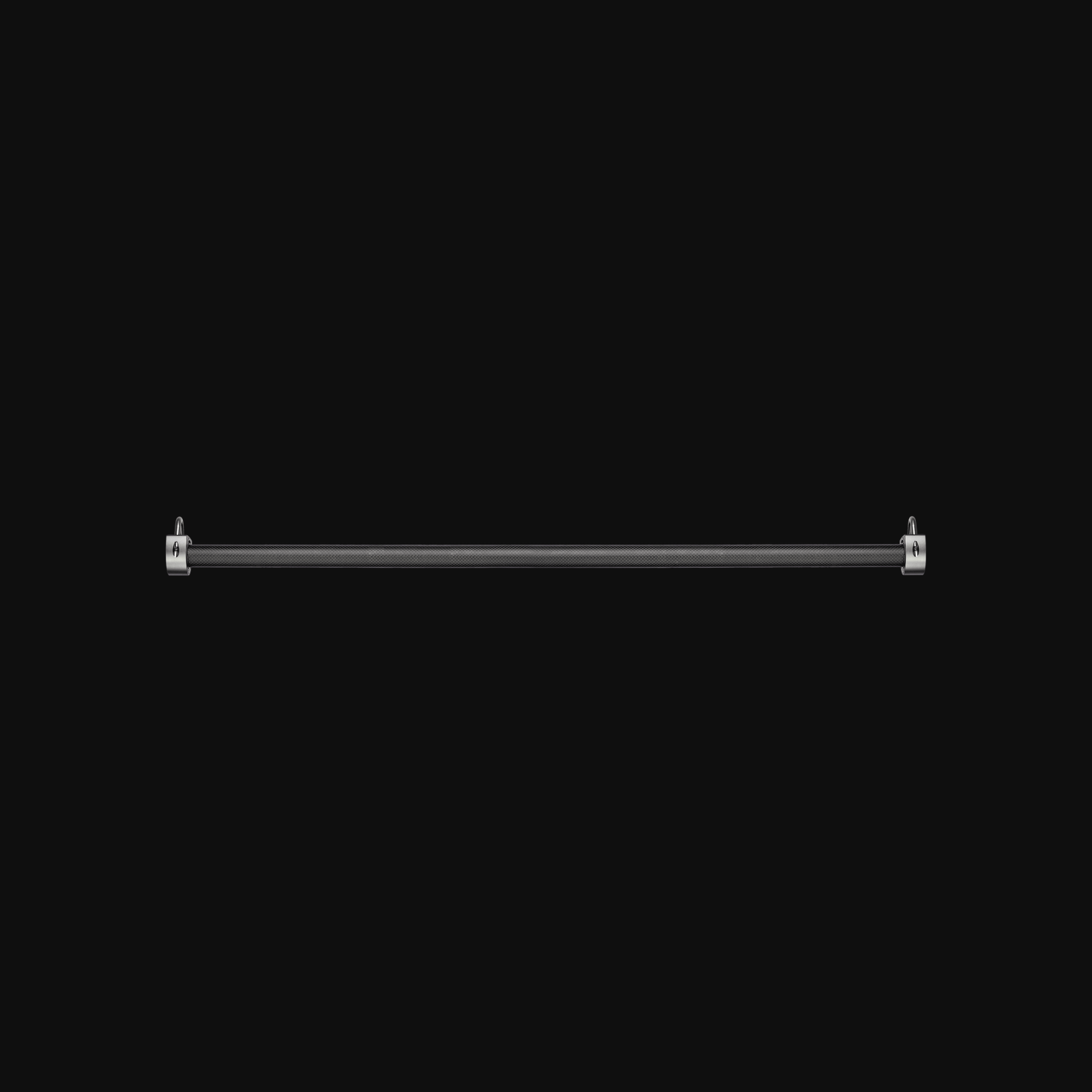

Long Tricep ERGO Ropes
Extended triceps ropes with ergonomic grips for cable pressdowns and overhead extensions.
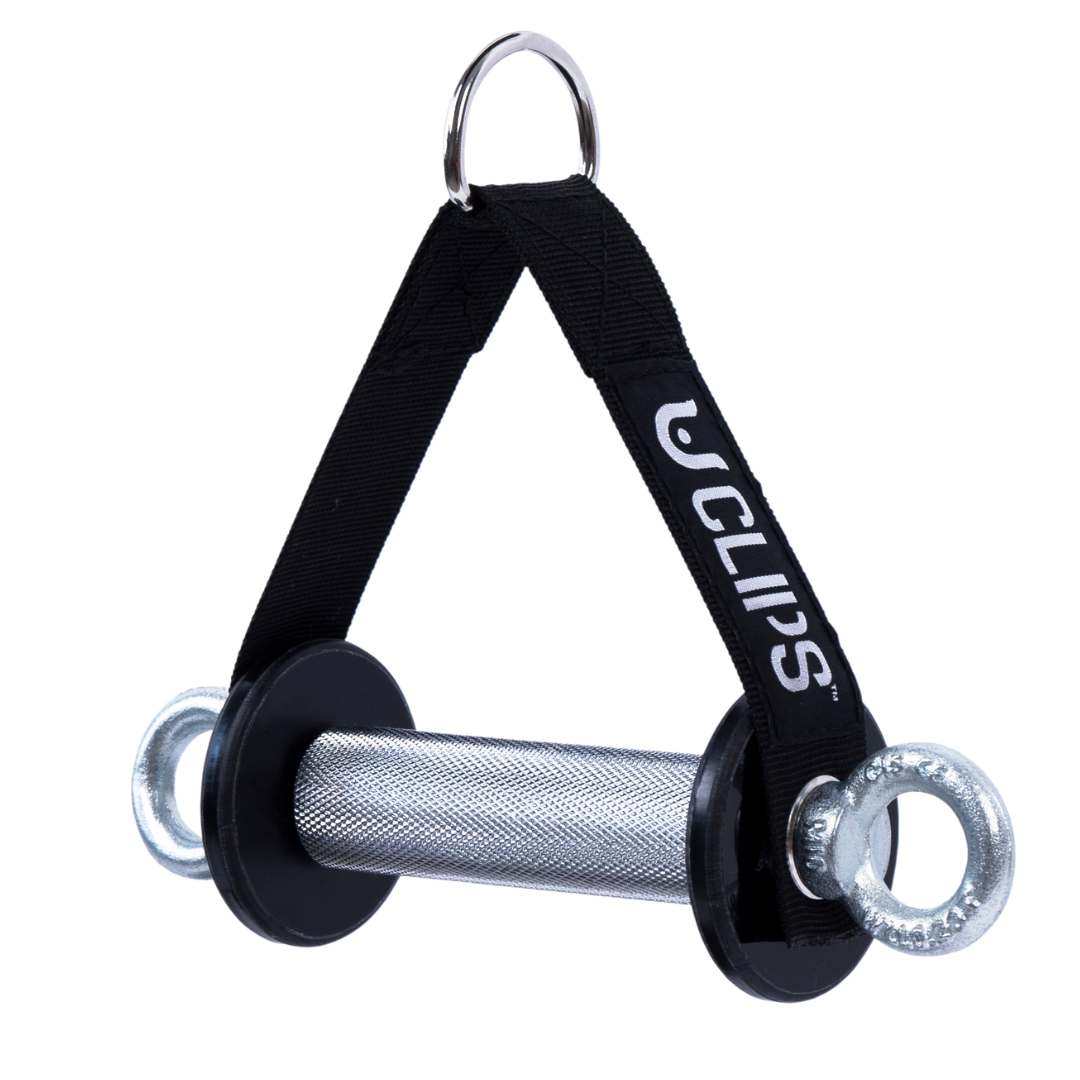
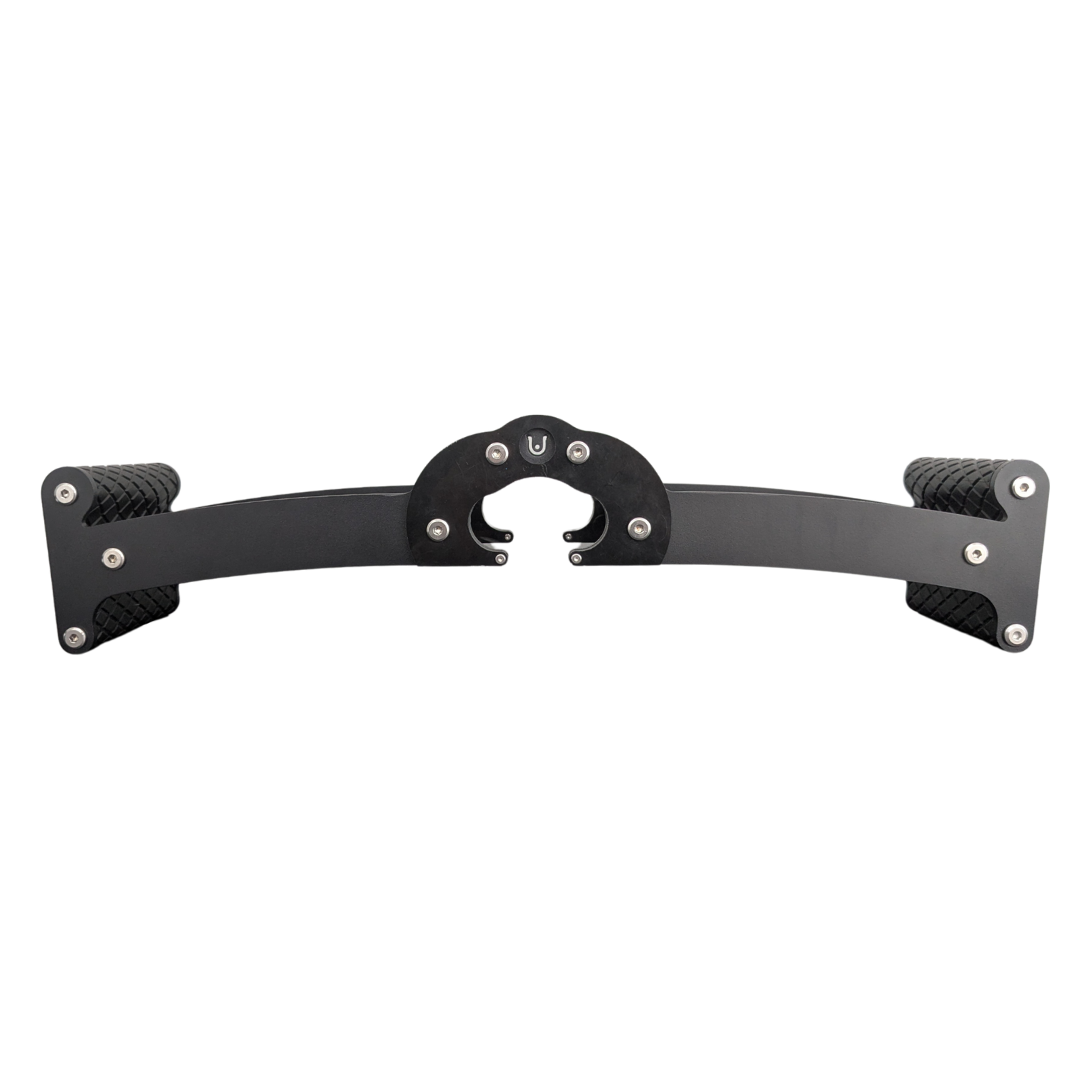
Back Bar
Multi-grip cable and landmine bar with a built-in deadlift jack.

GymPin D Handle Bar
Multi-use steel D-handle bar for cable rows, pulldowns and other cable exercises.

Angles 90 Grips
Flexible grip attachments that allow natural wrist movement during pulling exercises.
A four-week tempo experiment you can actually evaluate
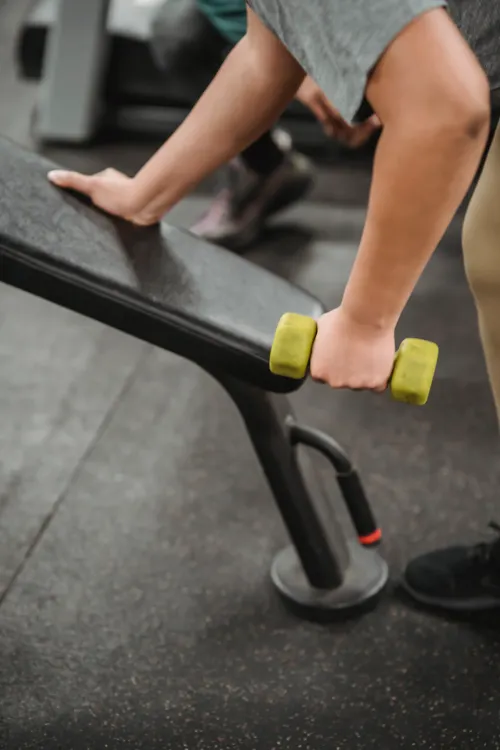
Instead of changing every exercise at once, choose one stable accessory lift, such as a dumbbell curl, machine chest press or cable row. Keep the same exercise, range of motion and approximate weekly set count for four weeks. This is personal tracking, not a clinical experiment, so it cannot establish which cadence builds more muscle for everyone.
Week 1 — baseline: use your usual controlled cadence for three working sets in an eight-to-twelve repetition range. Record load, completed repetitions, approximate reps in reserve and any technique changes near the end. There is no need to take every set to absolute failure.
Week 2 — controlled negative: try a consistent three-second lowering phase while keeping the upward effort purposeful. Start slightly lighter if needed. Record the same measures and note the additional time per set. A slower version may feel harder even if fewer repetitions are completed; log that instead of declaring it superior.
Week 3 — repeatability: retain the three-second descent and try to improve either repetition quality or total reps at the same load. If you cannot reproduce the cadence without joint discomfort or major compensations, shorten it. The goal is a technique you could use for months, not a one-session challenge.
Week 4 — compare and decide: return to your normal cadence for one session. Compare control, performance, enjoyment and recovery. Favor the version that helps you complete progressive, technically sound work. A change in muscle sensation is not a direct measurement of hypertrophy, and four weeks is too short for reliable visual conclusions.
Keep your other lifts on familiar tempos during the experiment. This protects the rest of your training from unnecessary fatigue and makes it easier to see whether the deliberate negative benefits the selected movement.
Mistakes to avoid and a practical tempo decision rule
The first mistake is assuming more soreness means more growth. A longer negative can change perceived difficulty and recovery without guaranteeing a superior long-term result. The second is allowing a rigid count to distort the exercise: a five-second descent is not helpful if you lose bracing, shorten the range or throw the weight upward afterward. The third is comparing sets with different loads, effort levels and durations as if tempo were the only difference.
Another common mistake is treating every muscle and movement alike. A deliberate negative may stop you swinging during curls but be counterproductive in a drill intended to develop rapid force. Different joints also tolerate different positions. Painful loading is not evidence that a tempo is working; adjust range, load or exercise demand when symptoms appear. If discomfort persists or function deteriorates, get an appropriate assessment rather than trying to train through it.
Use a simple decision rule. Keep a normal controlled negative when technique is stable, progression is consistent and recovery is good. Slow it modestly when momentum hides the intended movement, you need a positional cue or lighter loads are desirable. Avoid an artificially slow negative when it undermines the intended speed, causes excessive fatigue or makes the session too long to complete.
There is no single magical second count for every lifter. For some exercises a two-second descent is a useful default; for others a slightly faster or slower movement makes more sense. Your cadence should be consistent enough to track, but flexible enough to respect load, joint comfort and training purpose.
The best repetition tempo is usually the one you can execute reliably while training hard enough and recovering well enough to progress. A stopwatch can teach control, but it cannot replace sensible exercise selection, adequate effort or a well-designed training plan.
Powerlifting Shirts & Lifting Gear
Powerlifting shirts and gym gear for squat, bench and deadlift lifters who live for heavy numbers.

Motivation – Barbell Meme Strong , Leg Day Squats & T-Shirt
Make gym days more fun with “Gym Motivation” style.


Bunny Squats & Booty Motivation Leg Day T-Shirt
Bring “Gym Bunny” humor to your next gym day.

Legday Gains – Squats & Deadlifts , Top Gymbros & T-Shirt
Heavy lifts, good laughs, and a little “Legday Gains” energy.

Shirt – I Want You To Bench Press Uncle Sam T-Shirt
Heavy lifts, good laughs, and a little “I Want You To Bench Press Uncle Sam” energy.

Shirt – Deadlift – Meme Gains & Bros T-Shirt
Heavy lifts, good laughs, and a little “Deadlift” energy.

No Plates No Dates Shirt – Gymbros & – Meme & Gains T-Shirt
Bring “No Plates No Dates” humor to your next gym day.

Platehead Skull Sweater Powerlifters & Bros Meme T-Shirt
Bring “Platehead Gym Skull” humor to your everyday gym style.

Shirt Squat Queen Leg Day Bros & Meme Gains T-Shirt
Bring “for Squat Queen” humor to your next gym day.

The Last Barbender Bending Bars – Meme , & Gains T-Shirt
Make gym days more fun with “The Last Barbender Bending Bars” style.