Grip strength is easy to ignore until the bar starts slipping before the target muscles are tired. A deadlift can end because the fingers open, a pull-up set can stop because the forearms burn, and a heavy carry can become a test of hand endurance long before the legs give out. The answer is not automatically to squeeze harder on every exercise. Different tasks challenge different gripping actions, and a sensible plan trains the missing quality without undermining the lifts that matter most.
This guide separates crushing, supporting and pinching demands; explains what thicker handles can and cannot do; and offers a practical two-day grip add-on that fits alongside normal resistance training. It also covers when straps are useful, how to progress without elaborate equipment, and why soreness in the fingers or elbows should not be treated as proof of an effective session.
1. What Grip Strength Actually Means for Lifting
Strong grip is not one universal ability. Closing the fingers hard around an object, keeping a heavy handle from rolling out of the hand, and holding a flat plate between the thumb and fingertips require overlapping but different force patterns. A person can be excellent at a timed bar hang yet struggle with a plate pinch. Another may close a hand gripper firmly but lose a loaded farmer’s carry quickly. That difference is why choosing an exercise starts with identifying the task that fails.
In a conventional deadlift or dumbbell row, supporting grip is usually the obvious bottleneck: the hand must maintain a closed position against a load that tries to open it. During climbing, towel hangs or grappling, the shape of the object and the finger position become especially important. Pinching a smooth plate shifts emphasis toward thumb-to-finger force rather than the full wrap of a cylindrical handle. Wrist extensors also contribute by stabilizing the wrist while the finger flexors produce much of the holding force.
Grip capacity matters for performance when the hand is the limiting link, but stronger fingers will not automatically improve every lift. A squat with a securely supported bar is constrained by very different factors from a heavy suitcase carry. The useful question is therefore specific: does the grip fail before the muscles you are trying to train? If yes, add targeted work. If not, treat grip training as an optional accessory rather than a mandatory centerpiece.
A simple baseline is to record the load and duration of a comfortable static hold, the number of controlled pull-up or hang seconds, and the weight of a safe plate pinch. Repeat under similar conditions rather than comparing unrelated exercises. Consistency tells you more than one heroic personal record.
2. Match the Exercise to the Grip You Want to Improve
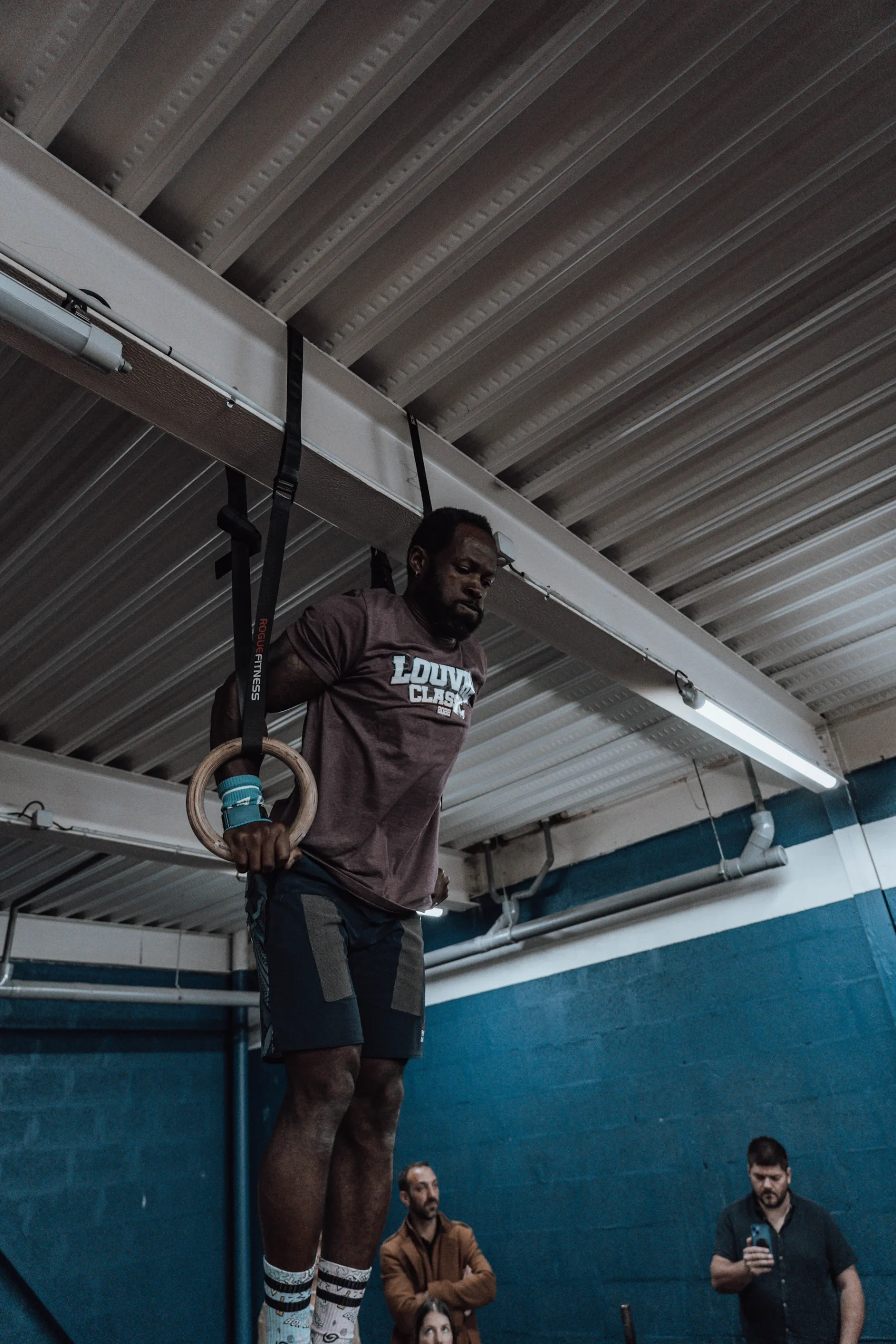
Supporting grip is trained by resisting the tendency of a weight to slip. Barbell holds in a rack, dumbbell holds at the sides, and timed hangs from a sturdy pull-up bar are straightforward choices. A timed hold is particularly easy to standardize: use the same implement, hand position and duration target, then increase the challenge only when the current version is controlled. When testing a hang, keep the shoulders active rather than collapsing into a painful passive position.
Crushing grip involves squeezing the fingers toward the palm. Hand grippers are one option, but a normal dumbbell handle also demands sustained closing force when the load is heavy enough. Thick-grip sleeves and towel-wrapped handles change the hand’s position and can make a light implement harder to control. That does not mean they are automatically superior for every goal; they simply shift the gripping demand.
Pinch grip brings the thumb into a more prominent role. Holding a single plate by its rim or two smooth-sided plates together can provide a measurable challenge, provided the plates are light enough to control and are never held above the feet. Start with a low lift from a safe surface, stand tall, and stop before the plates begin to slide. Avoid dynamic flips until basic static control is reliable; an uncontrolled plate can fall or rebound.
Finally, wrist flexion, extension, pronation and supination train the forearm through movement rather than a static hold. Light wrist curls, reverse wrist curls and controlled rotation with a small implement can complement heavy gripping, especially when one direction is undertrained. Keep the wrist motion deliberate instead of using momentum. These exercises are accessories, not a reason to force the joint through pain.
Pick one primary grip pattern and one complementary pattern for a training block. A climber might emphasize open-hand holds and pinching; a powerlifter whose deadlift grip is failing might emphasize timed barbell holds; someone who simply wants stronger forearms can combine carries with modest wrist-extension work. A useful exercise is one that addresses the actual weak link, not simply one that creates the biggest forearm pump.
3. Loaded Carries Build Useful Holding Endurance
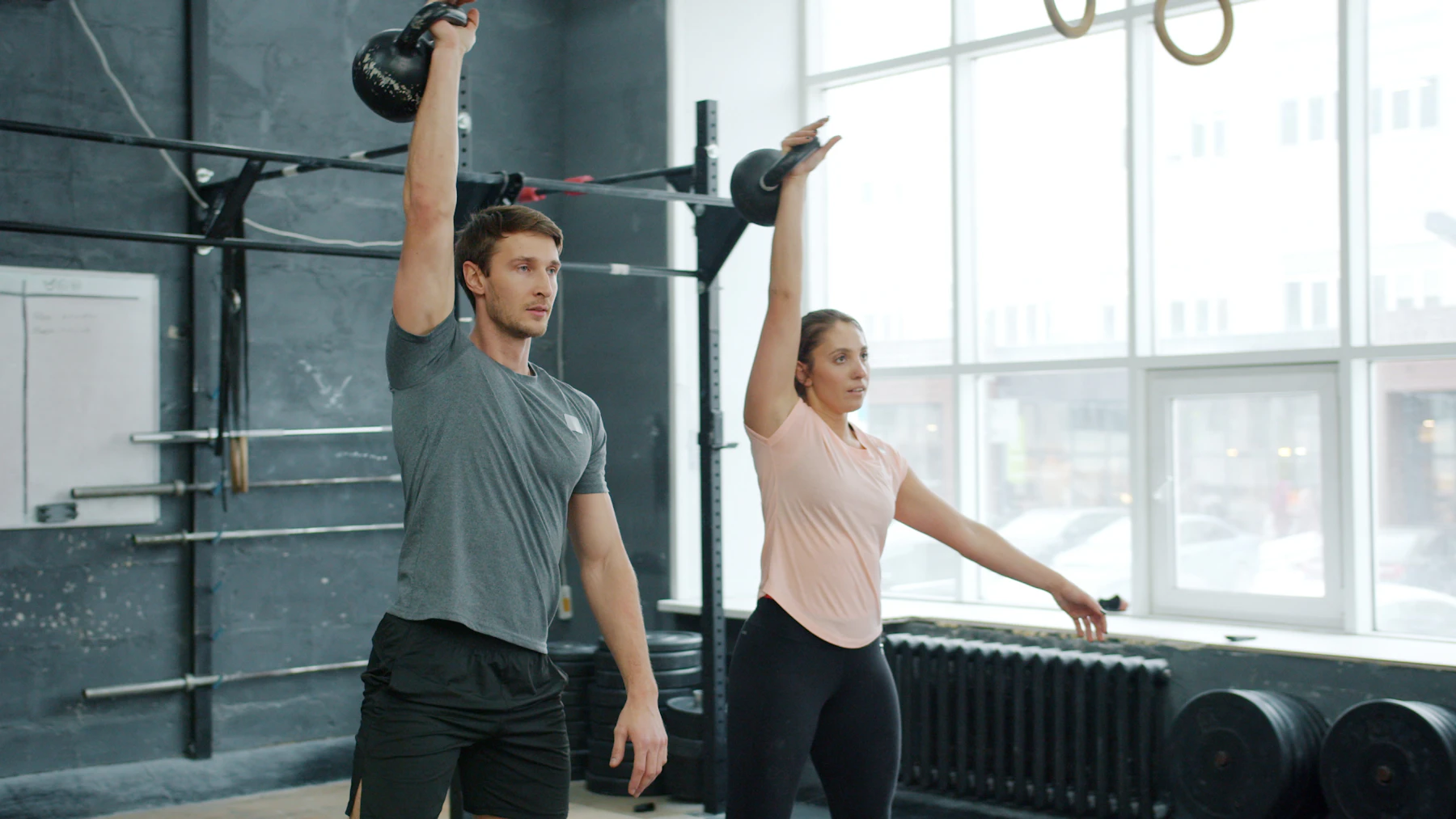
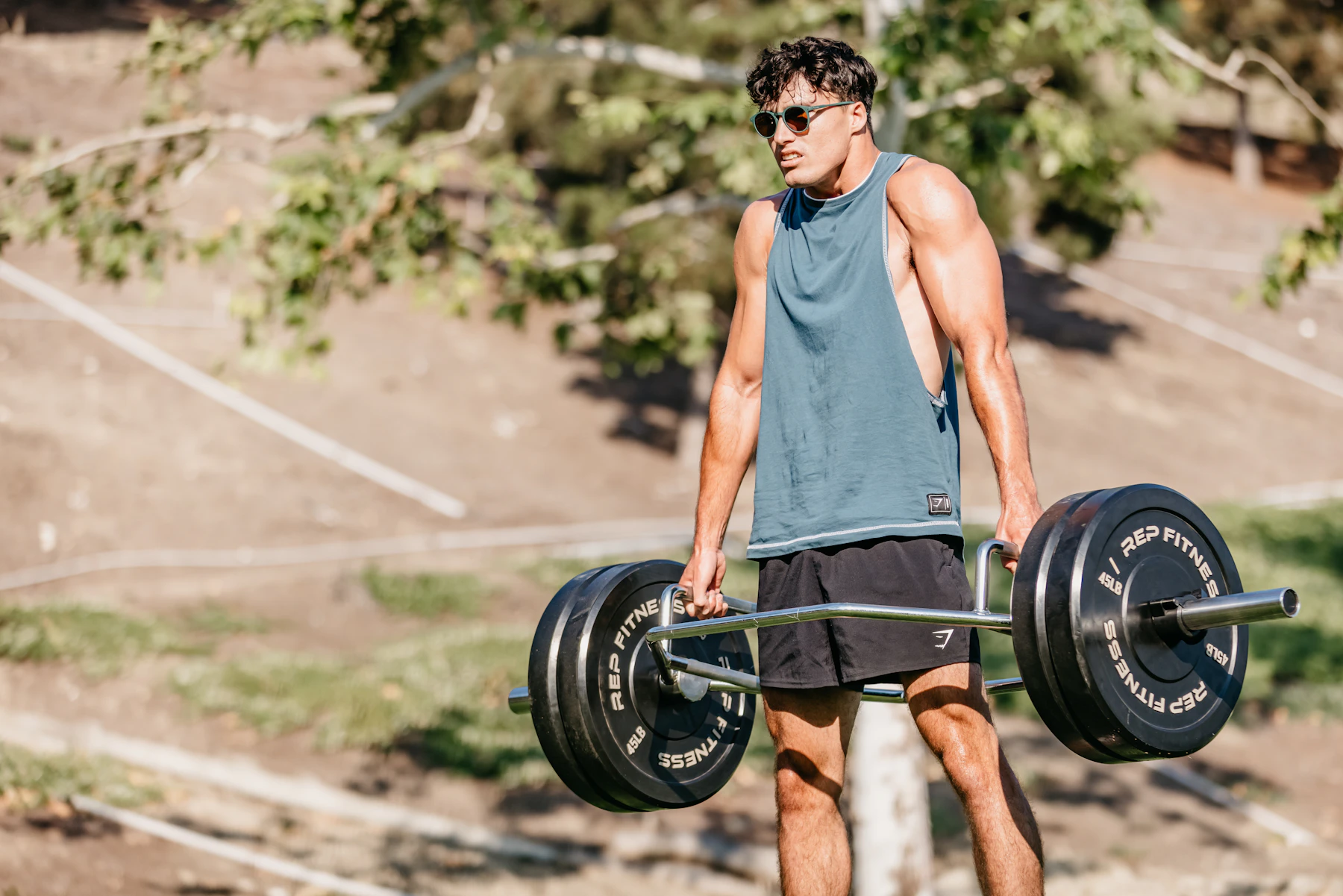
Loaded carries are among the most practical ways to challenge supporting grip because they combine a sustained hold with walking and trunk stabilization. They can be performed with ordinary dumbbells, kettlebells or purpose-built carry handles. The limiting factor should be control, not an attempt to move the heaviest object available. A balanced pair of dumbbells is a sensible starting point; one-sided suitcase carries add an anti-lean challenge to the torso.
For a basic farmer’s carry, choose a weight you can pick up without rounding or jerking. Stand tall, let the shoulders remain comfortably set, keep the wrists neutral, and walk a clear route at a normal pace. Stop when posture, pace or the hand position begins to deteriorate. A short, repeatable route is better for measuring progress than wandering until the grip unexpectedly fails. If floor space is limited, static suitcase holds can substitute for walking, although they remove the movement component.
A useful starting experiment is two or three carries of roughly 20–40 seconds, resting long enough to repeat the same quality. This is a programming example, not a scientifically established perfect dose. Once all carries are controlled, add a small amount of weight, a few seconds, or a slightly longer route—one variable at a time. Recording the load and duration makes improvements visible without needing a hand dynamometer.
Kettlebells also permit changes in how the handle is held, but some variations are substantially more unstable. A bottoms-up hold can challenge wrist stability with a light bell; it is not a sensible heavy-load substitute for ordinary carries. Swings are a separate ballistic skill and should not be made awkward with improvised grips until the movement and attachment are known to be safe. When the goal is simply hand endurance, conventional carries are easier to control and progress.
Because carries also tax the traps, trunk and cardiovascular system, keep them in proportion to the rest of the session. They are useful finishers after deadlifts, rows or other priority lifts, not an obligation to exhaust the hands before those movements begin. When grip is the target, choose a weight that makes the hold demanding while leaving enough attention to walk safely.

Equipment Worth Exploring
Explore equipment, accessories and gear from our carefully selected range.


Angles 90 Grips
Flexible grip attachments that allow natural wrist movement during pulling exercises.


GymPin Ergo Handles
Pair of ergonomic cable handles shaped for comfortable triceps and pulling exercises.


Leather Wrist Grips
Padded leather lifting grips help support the hands and wrists on heavy pulling exercises.

Leather Lifting Straps
Padded leather straps support grip during heavy rows, deadlifts and pulling exercises.
4. Plate Pinches Train a Different Weak Link
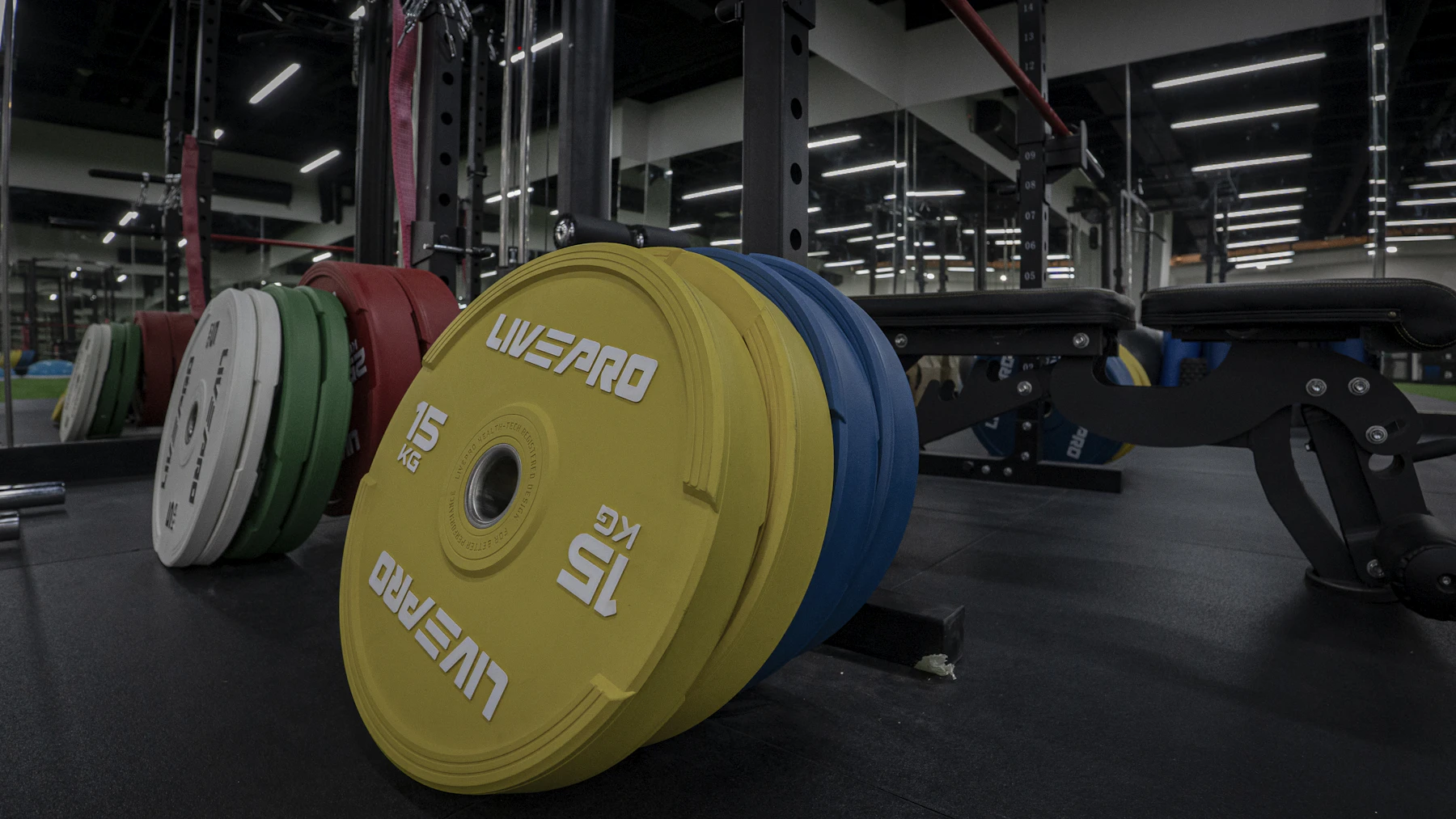
Plate pinches look simple, but they expose a grip quality that ordinary cylindrical handles can miss. Instead of wrapping the fingers fully around a bar, the thumb presses toward the fingertips to resist the weight slipping. That distinction matters for tasks involving broad, flat or awkward objects. It also explains why an athlete who holds a barbell securely may find even a modest plate pinch surprisingly difficult.
Begin with a plate that can be gripped comfortably near the top edge and lifted only a few centimeters above a soft, clear surface. Keep the arm by the side and the wrist reasonably straight. Hold for a short, predetermined interval, then set it down deliberately. If the plate has a deep lip or handhold, recognize that it changes the challenge: a lip makes the exercise easier to secure than a truly smooth pinch surface. Record which plate you used rather than treating all plates of the same mass as interchangeable.
Two smooth-sided plates held together can create a more demanding pinch, but they can also separate or rotate. Test the setup near the floor before committing to a full hold. Never pinch heavy plates over toes, pets or other people, and do not attempt showy plate flips as a first progression. A dropped plate is a real hazard, not a useful training stimulus.
For progression, try three controlled holds of 10–20 seconds per hand with enough rest to maintain the same grip position. When the time becomes comfortable, make a small change: slightly longer duration, a modestly heavier plate, or a more difficult but still secure surface. Avoid changing all three simultaneously. If one hand is clearly weaker, begin with that side and match the stronger hand’s work to it rather than doubling the weaker side’s volume.
Pinch work is best treated as a specialized accessory. It can complement carries and hangs, but it need not replace them. For lifters with no sport-specific pinch demand, one short block of pinch training may be enough to identify whether the quality is worth further attention. Pinching can also be scaled with small plates rather than requiring expensive dedicated equipment.

Funny Gym Shirts & Workout Gear
Funny gym shirts, tanks, hoodies and workout gear for lifters who like training hard.

Grip Training Essential Gymbro Jumper & T-Shirt
For laid-back days and lifting humor: “Grip Training Essential”.

Grip Day Legend Essential Gymbro & T-Shirt
Rep “Grip Day Legend” humor in and out of the gym.

Grip Strength Fanatic Meme Hoodie
Show off your lifting humor in a laid-back “Grip Strength Fanatic” hoodie.


Pumpeye Sweater Forearm & Grip Training Popeye Meme T-Shirt
For laid-back days and bodybuilding humor: “Pumpeye”.

Slip Not Grip Training – Heavy Metal & Gymbros – T-Shirt
Heavy lifts, good laughs, and a little “Slip Not Grip Training” energy.


Calisthenics Heartbeat – Pullups & Handstands & T-Shirt
Show some lifting attitude with a playful “Calisthenics Heartbeat” tee.

Six Plates Deadlift Club Motivational T-Shirt
Heavy lifts, good laughs, and a little “Six Plates Deadlift Club” energy.

5. Thick Handles and Towel Hangs: More Demand Is Not Always More Benefit
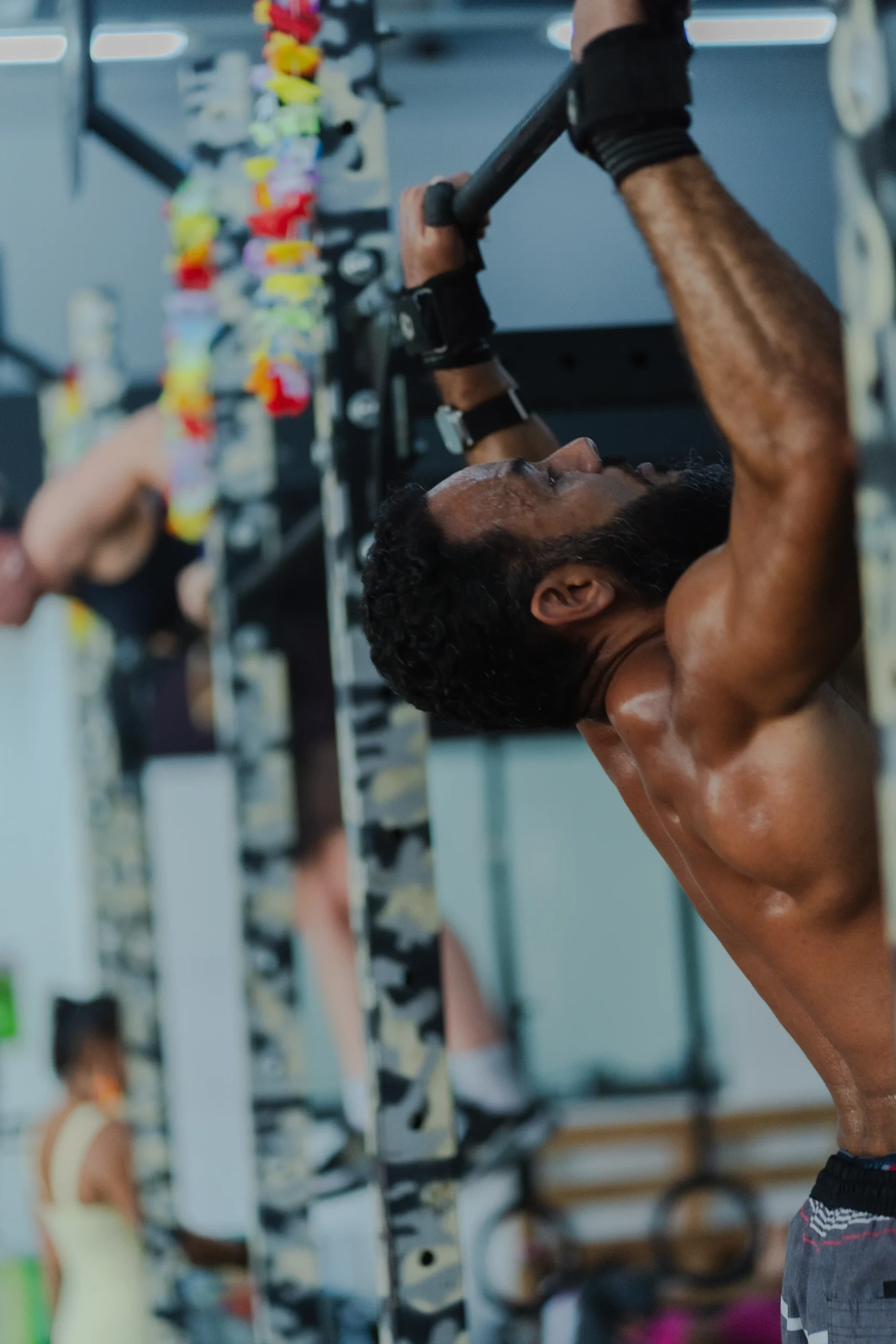
Increasing handle diameter changes the geometry of the hand. The fingers cannot wrap as far around a thick bar, so the muscles must work in a different position to resist opening. Acute laboratory measurements have found that thick grips can increase activity in some forearm muscles while reducing the maximum load that can be lifted. That is a meaningful tradeoff: an exercise can feel much harder in the hands while providing less loading for the back, legs or other muscles you originally intended to train.
Use thicker handles as a deliberate grip variation, not as proof that a standard handle is inferior. If the goal is a heavy row for back development, keep a secure conventional handle for the main sets. A lighter thick-handle hold or row can be added afterward. If the goal is to challenge the hand itself, lower the weight and prioritize full control. Electromyography readings describe electrical muscle activity during a task; they do not establish that one grip diameter causes greater long-term forearm growth.
Towel hangs and towel-assisted rows create a similar change in hand position, but the towel adds a slipping and twisting risk. Use a strong, undamaged towel on a stable bar with enough clearance, test it under partial bodyweight first, and avoid tying or wrapping it in a way that could unexpectedly release. A short assisted hang with the feet near a platform is more appropriate for a beginner than jumping directly into full-bodyweight towel pull-ups.
Handle diameter should also reflect hand size and comfort. Research on gripping cylinders suggests that the relationship between diameter, force and forearm activation is not a simple thicker-is-always-better line. The best training implement is one that provides the desired challenge while remaining secure and pain-free. Rotate grips cautiously if the elbows or fingers are sensitive, and avoid turning every pulling exercise into an endurance test for the hands.
For most lifters, the practical solution is to keep the normal grip for performance-oriented work and reserve thicker or unstable grips for a small amount of dedicated accessory training. This preserves high-quality loading for the primary muscles while still developing a useful hand-strength quality. The same principle applies to fat-grip sleeves, towels and unusually shaped handles: match the tool to the task, not to the difficulty of holding it.
6. A Two-Day Grip Add-On That Does Not Hijack Your Program
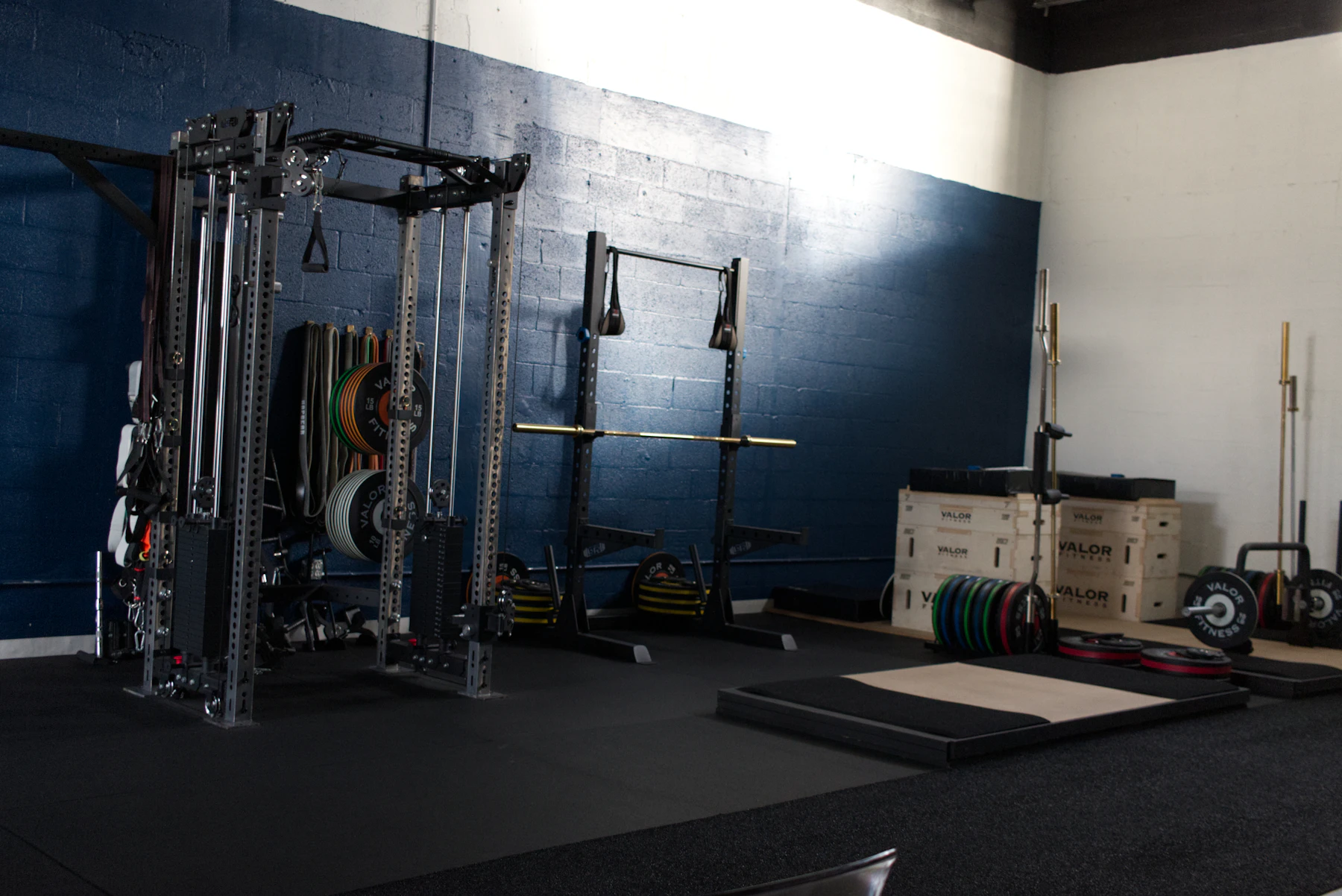
A grip plan does not need a separate training day. Two brief sessions after normal workouts are enough to start learning which exercises respond well and which irritate the hands. Keep at least a day between demanding grip sessions when possible, especially if your regular program already contains deadlifts, heavy rows, pull-ups or climbing. The numbers below are a starting template to adjust, not a universal prescription.
Session A — support and wrist balance: after your main pulling lifts, perform two or three farmer’s carries or static dumbbell holds lasting about 20–40 seconds. Rest until you can repeat the same posture and grip quality. Follow with two controlled sets of light wrist extensions for approximately 12–20 repetitions. The purpose is to train sustained holding without making the next day’s pulling work miserable.
Session B — pinch and open-hand control: after a separate workout, perform two or three plate-pinch holds of roughly 10–20 seconds per hand, then one or two easy sets of towel-assisted hangs or a thick-handle static hold. Choose a duration that ends with a little control left in reserve. If the hang is awkward or uncomfortable, substitute an ordinary bar hold rather than forcing the variation.
Weeks one and two: keep the load and exercise versions stable. Record successful seconds, whether the hand slipped, and how the fingers and elbows feel the next morning. Weeks three and four: progress only one exercise at a time by adding a few seconds or a small load increase, provided technique and recovery remain good. Do not interpret a larger number of sets as automatically better: the forearms are already working during much of a typical lifting week.
Place dedicated grip work after, not before, high-priority pulling. Otherwise a fatigued hand may cut short the intended stimulus for the back or posterior chain. If a sport specifically depends on grip endurance, some grip work can be prioritized earlier in a separate session; that is a different goal from simply adding forearm work to a bodybuilding routine.
Equipment can stay simple: a pair of dumbbells, a suitable weight plate, a secure pull-up bar and perhaps a towel cover most of these options. Specialty handles are conveniences, not prerequisites. The strongest progression is one that can be measured consistently and repeated without accumulating pain. If work, climbing or another hobby already heavily taxes the fingers, begin with fewer sets rather than layering a full grip routine on top.
Equipment Worth Exploring
Explore equipment, accessories and gear from our carefully selected range.


Power Tower
Freestanding pull-up and dip station with adjustable handles for bodyweight training.


GymPin Barbell Row Handle
Heavy-duty handle attachment for barbell, landmine and T-bar rows.

T-Bar Row Attachment
Welded barbell attachment that connects a D-handle bar for landmine and T-bar rows.

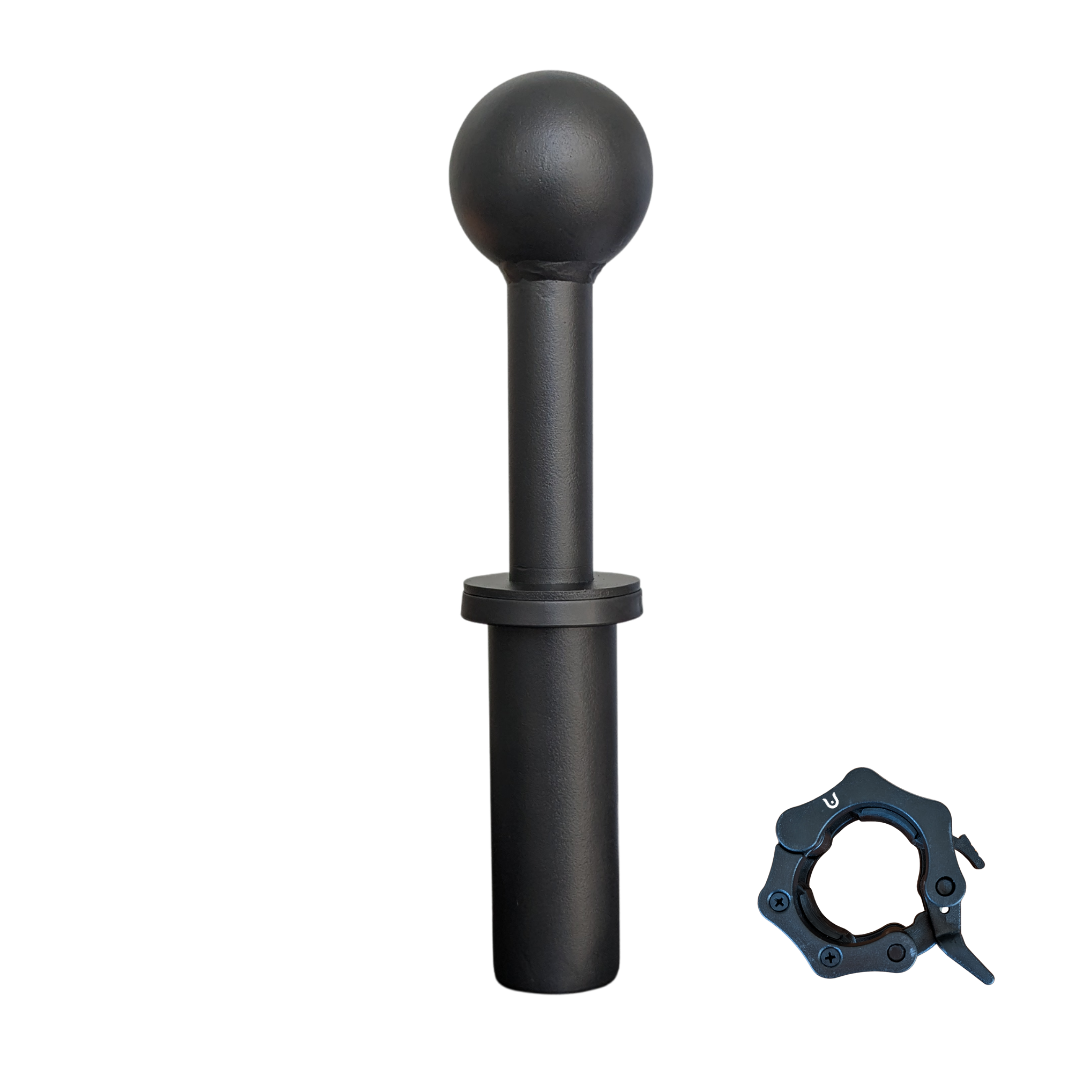
U Clips
Versatile gym clips for barbell, landmine, and attachment setups.
7. Track Real Progress, Recover Well and Use Straps Intelligently
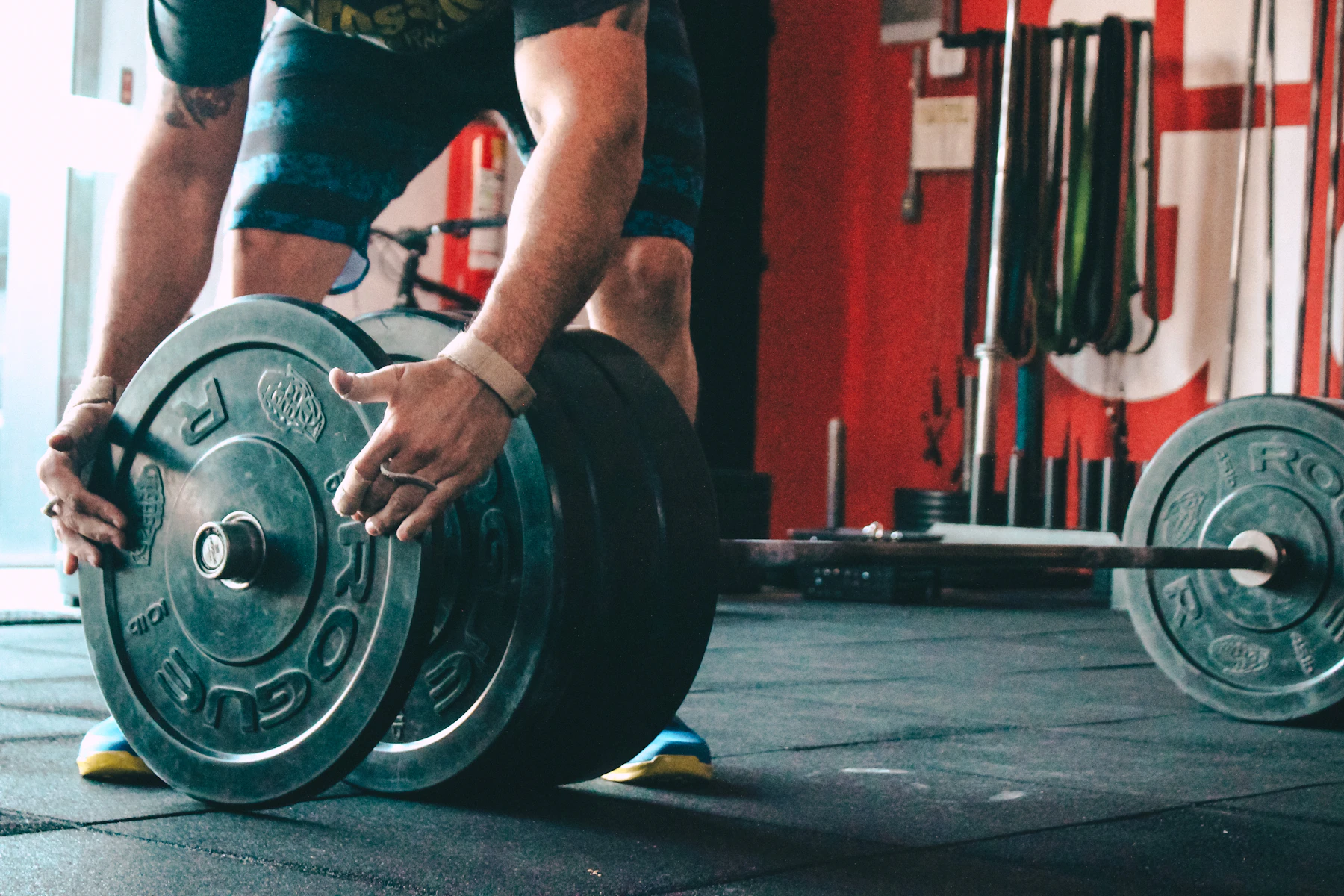
Progress is easiest to interpret when the test stays the same. Record a static hold’s load, duration, handle diameter and grip style. For carries, add route length and whether the walk stayed controlled. For pinches, note the exact plate and whether its rim is smooth or lipped. A dynamometer can provide a separate measure of squeezing force, but it is not interchangeable with a bar hang or carry: each measures a different task.
Retest every few weeks rather than every session. Frequent maximal attempts can turn a training block into a string of fatiguing tests. Look for a trend across several comparable sessions: longer holds at the same load, more load for the same clean duration, or less grip limitation during the main exercise. If the numbers fluctuate after a heavy back day, consider fatigue before assuming your grip is regressing.
Wrist and finger tendons may become irritated when volume jumps suddenly, especially with novel thick-handle or pinch work. Normal muscular fatigue is not the same as sharp joint pain, tingling, numbness or persistent soreness. Reduce or stop the provoking exercise if those occur, and seek appropriate assessment if symptoms persist or include loss of sensation or function. More aggressive gripping is not a reliable fix for pain.
Lifting straps are not cheating when used deliberately. If your back needs additional high-quality rowing volume but your fingers are already exhausted, straps can help keep the target muscle—not the grip—the limiting factor. Conversely, using straps for every warm-up, carry and deadlift removes some opportunities to practice holding. A practical compromise is to complete the sets that can be held securely without assistance, then use straps selectively when they allow the intended training to continue.
The bottom line is straightforward: build grip strength with specific, progressive exposure to holds, carries, pinches and carefully chosen handle variations. Keep the work modest enough that it supports—not sabotages—your larger training goals. A few well-tracked minutes per week are more useful than an impressive-looking grip routine that leaves the hands too tired to train.
If the exercise is improving while the hands feel healthy, stay with it. If the main lifts suffer, move grip work later or reduce its volume. The best plan is not the one with the most exotic equipment; it is the one that gives the hands a repeatable challenge and leaves enough recovery to train again.
Bodybuilding Shirts & Workout Gear
Bodybuilding shirts, tanks and gym gear for lifters chasing muscle, size, symmetry and the pump.


Platehead Powerlifting Tee
Heavy lifts, good laughs, and a little “Platehead Gym Skull” energy.

Deadlift Lovers – Grim Reaper Skeleton , Bros & Leg T-Shirt
Rep “Deadlift Lovers” humor in and out of the gym.

Praise The Deadlift Holy Lifting Meme , & T-Shirt
Show some deadlift attitude with a playful “Praise The Deadlift” tee.

Bending Bars Meme – Barbell Squat Bench Deadlift, & T-Shirt
Heavy lifts, good laughs, and a little “Bending Bars Gym Meme” energy.


Strong Back Bodybuilder Tee
Show some lifting attitude with a playful “Strong Back Bodybuilder” tee.

Barbell Breaker Tee
Show some rock-and-lifting attitude with a playful “Barbell Breaker AC/DC Rock Music” tee.

Barbell Cross Is My Religion & Bros T-Shirt
Rep “Barbell Cross Gym is My Religion” humor in and out of the gym.